

ELE: A Comprehensive Solution for Quality Inspection of Laminated Food Packaging, Solving Industry Challenges
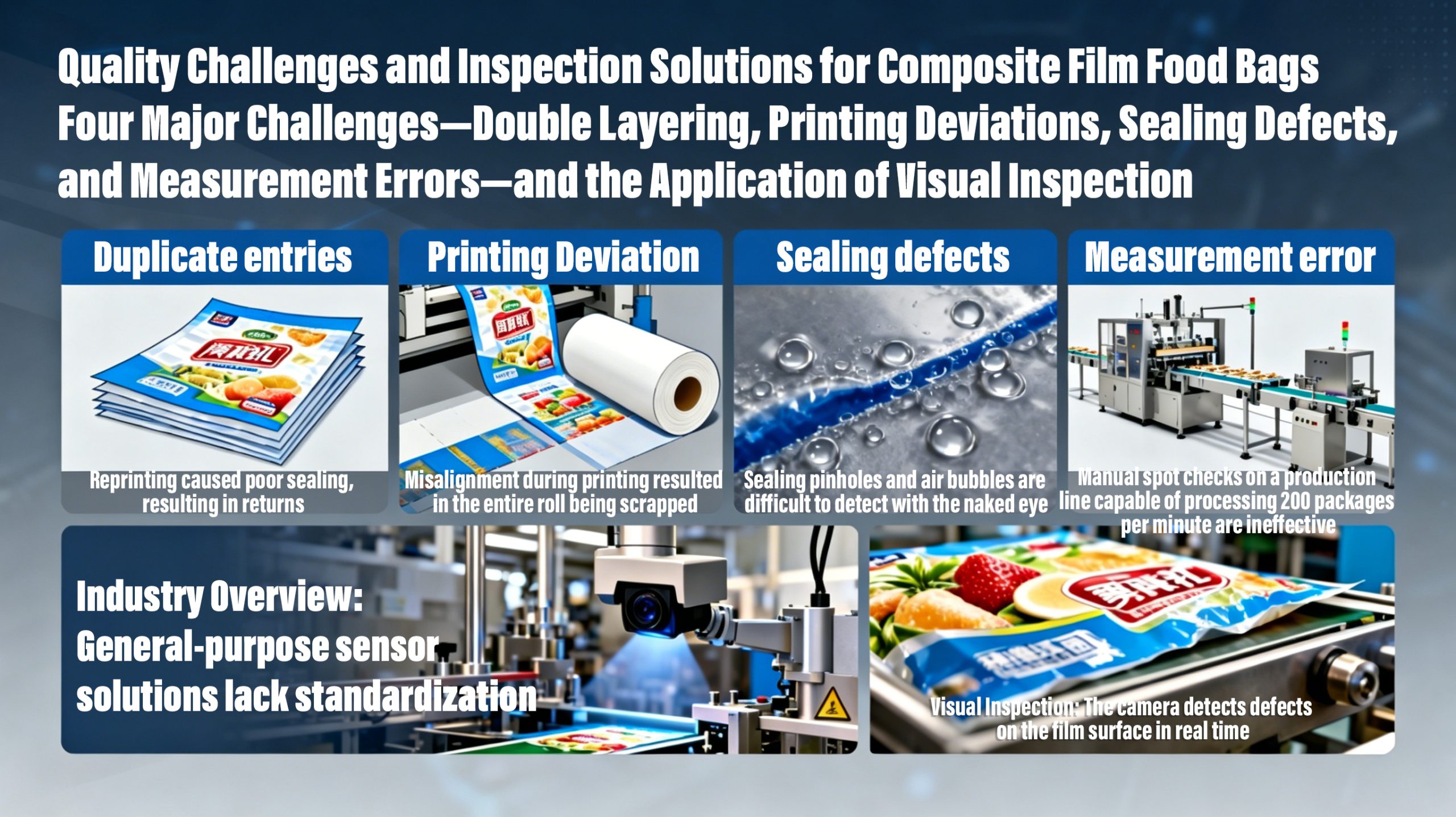
Food packaging safety serves as the final line of defense in the food industry and is the foundation of consumer trust. In the production and application of composite film food bags, issues such as overlapping layers, printing misalignment, sealing defects, and measurement errors may arise.
Quality control engineers at food packaging and bag-making factories have long been plagued by issues such as poor sealing caused by double-layered composite bags, resulting in customer returns; misalignment in printing that leads to entire rolls being scrapped; and pinholes and air bubbles in the seals that are difficult to detect with the naked eye. At production speeds of 200 bags per minute, manual spot checks are virtually ineffective. The industry has long relied on makeshift solutions using generic sensors, yet has never established a standardized, systematic approach to resolving these issues.

01.Industry Challenges: Universal Solutions Are Hard to Adapt; Composite Film Testing Is Widely Recognized as a Major Challenge
In the current field of composite film food bag inspection, applications are generally at a “make-do” stage. Various general-purpose sensors have significant shortcomings in specific scenarios and are unable to establish closed-loop control:
• Reflective photoelectric sensors: When faced with composite bags containing metallized layers, they frequently produce false readings and cannot reliably output valid detection signals;
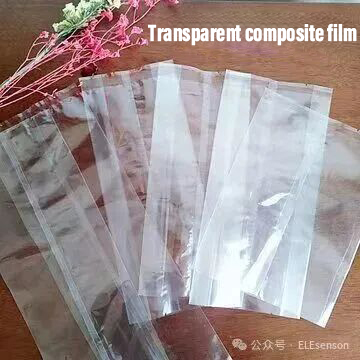
• Ultrasonic single/double-sheet sensors: Due to inherent limitations in their operating principles, they lack sufficient resolution to distinguish between “2-layer vs. 4-layer” composite films, making it impossible to accurately identify double-sheet anomalies;
• Metal eddy current detection: This method is only suitable for bags containing metal layers, resulting in a narrow range of applications, and it cannot simultaneously detect other quality defects;
• Purely manual visual inspection: Not only does the false-negative rate remain high, but it also cannot keep pace with the inspection rhythm of high-speed production lines, posing a major risk to quality control.
Although imported brands dominate the general-purpose sensor market, they have yet to develop specialized detection solutions tailored to composite film food bags. Domestic manufacturers, for the most part, remain stuck in the stage of producing single-function imitations. This is a classic example of a market where “the need exists but has not been defined.” When factories encounter equipment procurement issues, they typically consult peers and suppliers. However, when searching for “double-layer detectors” through public channels, they are often overwhelmed by generic ultrasonic solutions. After testing these and finding them ineffective for composite bags, they mistakenly conclude that “there is no solution available” and are ultimately forced to passively accept the quality control risks.
02.ELE Breaks New Ground: All-in-One Inspection System Sets a New Standard for Composite Film Quality Control
ELE specializes in the field of industrial vision inspection, addressing the core challenges of quality control for composite film food bags. Breaking away from the industry’s reliance on piecemeal solutions using single-function sensors, ELE has introduced an all-in-one vision inspection system for composite film food bags. This system integrates four key functions—double-sheet detection, print registration inspection, seal defect detection, and meter/length measurement—into a single vision hardware platform, enabling “multifunctional operation and comprehensive quality control.”
Core Functionality Value Matrix
Function Modules | Customer Value | Demand-Supply Match |
Re-adhesion Testing of Laminated Films (2-Layer vs. 4-Layer) | Resolve issues with returns due to poor sealing and reduce the customer complaint rate | In this context, while the pain points are known, there are no mature solutions available; once integrated, demand will surge. |
Print Registration Inspection | Avoid scrapping entire batches of printed products and reduce raw material waste | High, directly related to production cost control |
Seal Defect Detection | Identify hidden defects such as pinholes and air bubbles to ensure food safety | High, to prevent food safety incidents caused by sealing issues |
Measurement by the meter / Length measurement | Ensure accurate measurement, prevent short weight, and guarantee batch consistency | …to meet the requirements of supermarket spot checks and customer compliance |
Four key features in one package | Customers no longer need to purchase three or more separate systems, reducing procurement complexity by 80% and significantly improving installation and commissioning efficiency. | Extremely high, addressing customers’ core pain points regarding “multi-vendor integration and multi-system compatibility” |
Advantages of Scene Adaptation
ELE’s integrated solution is precisely tailored to the real-world work scenarios of quality control managers at food packaging plants and electrical engineers at bag-making machine manufacturers:
• Eliminates the need to install multiple sensors on the production line, reducing equipment wiring and commissioning costs;
• A unified inspection platform and data output enable centralized traceability and management of quality issues;
• Vision algorithms optimized for the characteristics of composite films resolve the misjudgment issues common with traditional ultrasonic and photoelectric sensors, significantly improving double-bag detection accuracy;
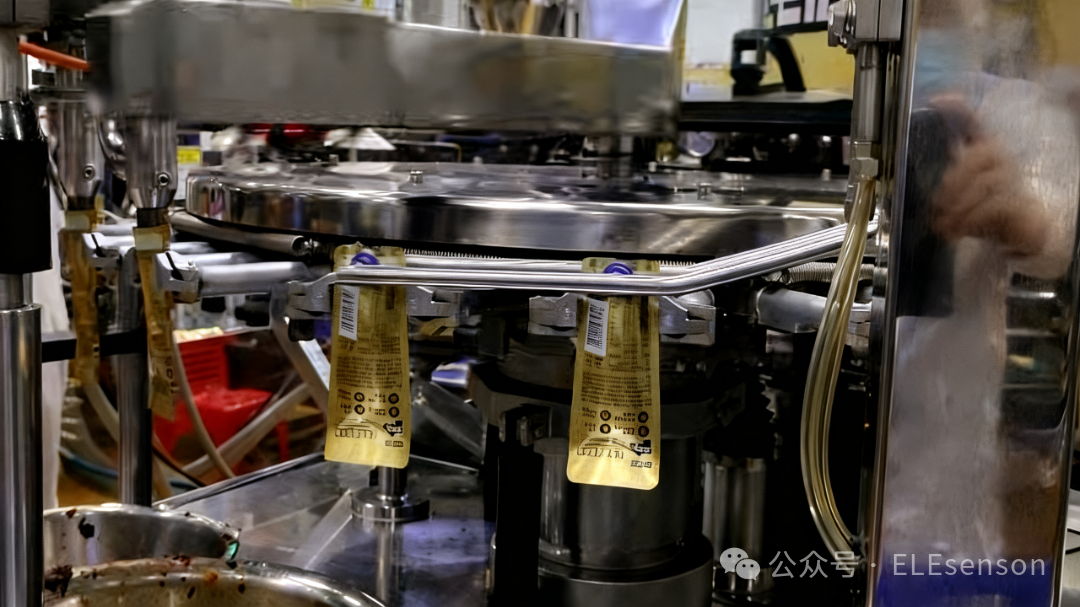
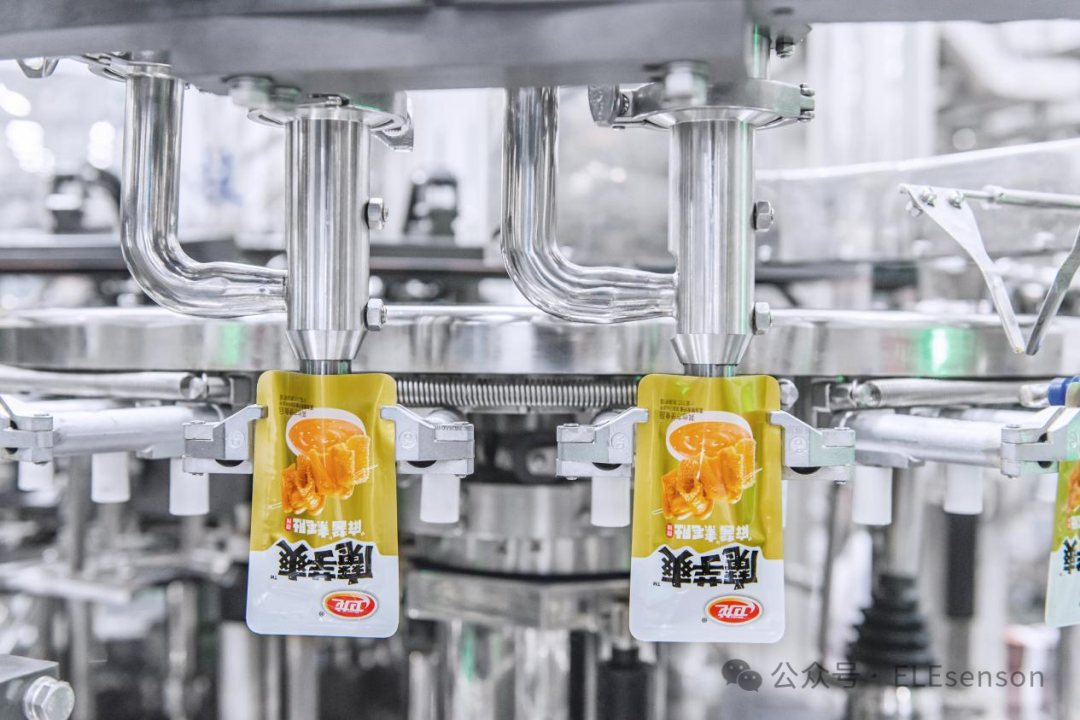
• Compatible with high-speed production lines operating at 200 bags per minute or higher, enabling 100% inspection rather than sampling, thereby completely eliminating the risk of missed defects.
03.Market Value: From “Single-Function” to “System Solutions,” Reshaping Customer Procurement Logic
Data shows that the market price for a standalone double-sheet detection solution ranges from 5,000 to 8,000 yuan, while printing registration detection costs 8,000 to 15,000 yuan, seal defect detection ranges from 6,000 to 12,000 yuan, and meter counting/length measurement costs 3,000 to 8,000 yuan. When customers purchase multiple systems separately, not only are the costs exorbitant, but they also face multiple challenges such as system compatibility, maintenance management, and after-sales support.
The ELE All-in-One Inspection System integrates these four major functions into a single package, offering customers a one-stop solution at a price range of 20,000–35,000 yuan. This enables “one-time procurement and comprehensive control,” significantly reducing customers’ overall procurement and operational costs. This model not only addresses customers’ immediate pain points but also redefines the industry’s value proposition—shifting from simply “selling sensors” to providing “a complete quality control solution for composite film food bags.”

elesenson
ELEsenson is a company specializing in the research, development, production, and sales of sensor technology, located in Wenzhou, Zhejiang, China. Upholding the corporate philosophy of “striving for perfection and pursuing excellence,” the company is committed to providing precise and reliable sensor solutions to customers worldwide. The company boasts an experienced R&D team dedicated to the research and development of cutting-edge sensor technologies. ELEsenon not only prioritizes product quality but also places a strong emphasis on customer needs. Production strictly adheres to international quality management system standards, ensuring that every product meets or exceeds customer expectations. Moving forward, Zhejiang ELEsenon will continue to pursue technological innovation and uphold the principle of quality first, striving to become a global leader in the sensor industry and providing customers with superior products and attentive service.