

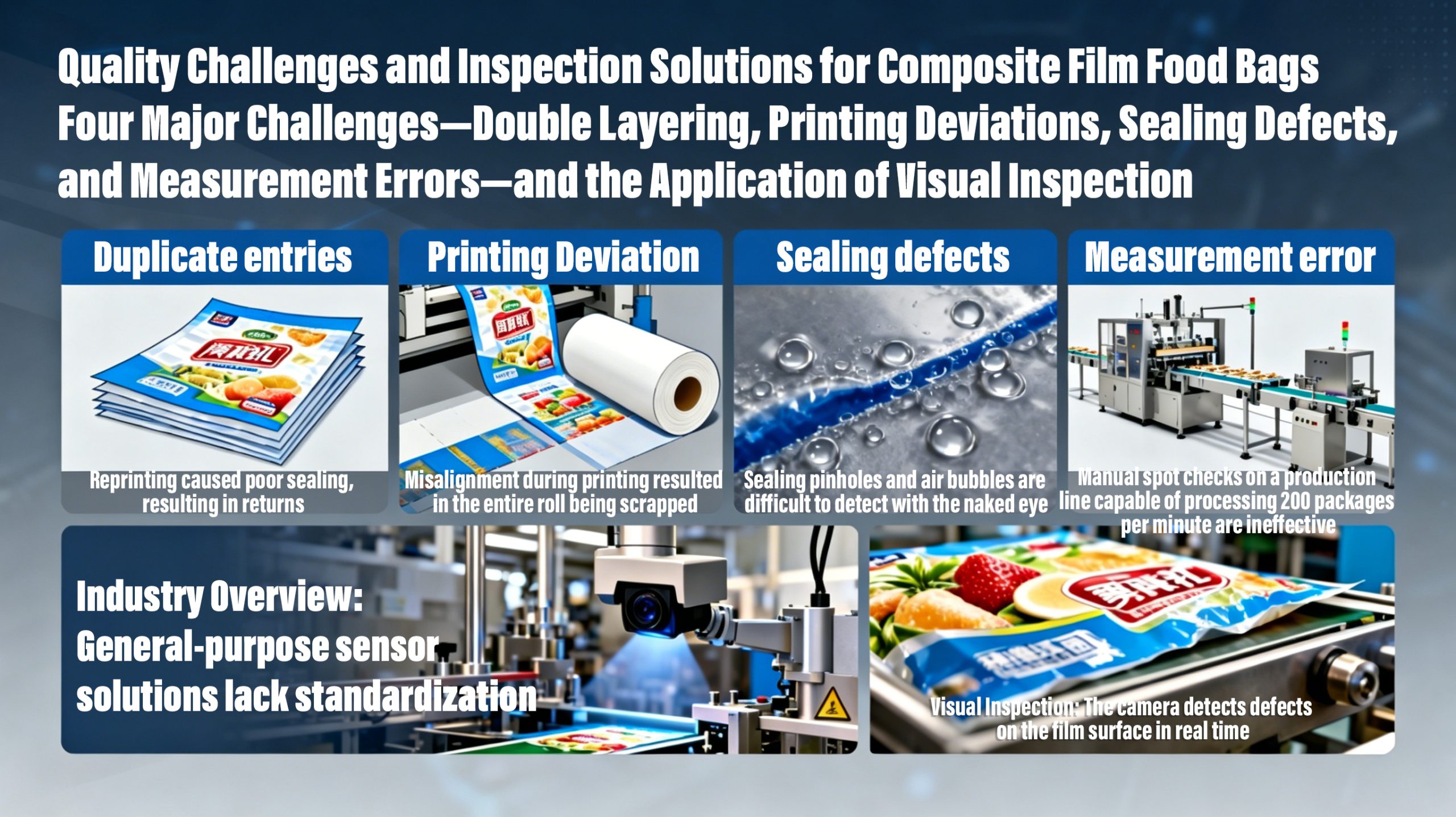
Food Packaging Inspection System | All-in-One Vision Detection for Composite Film Bags
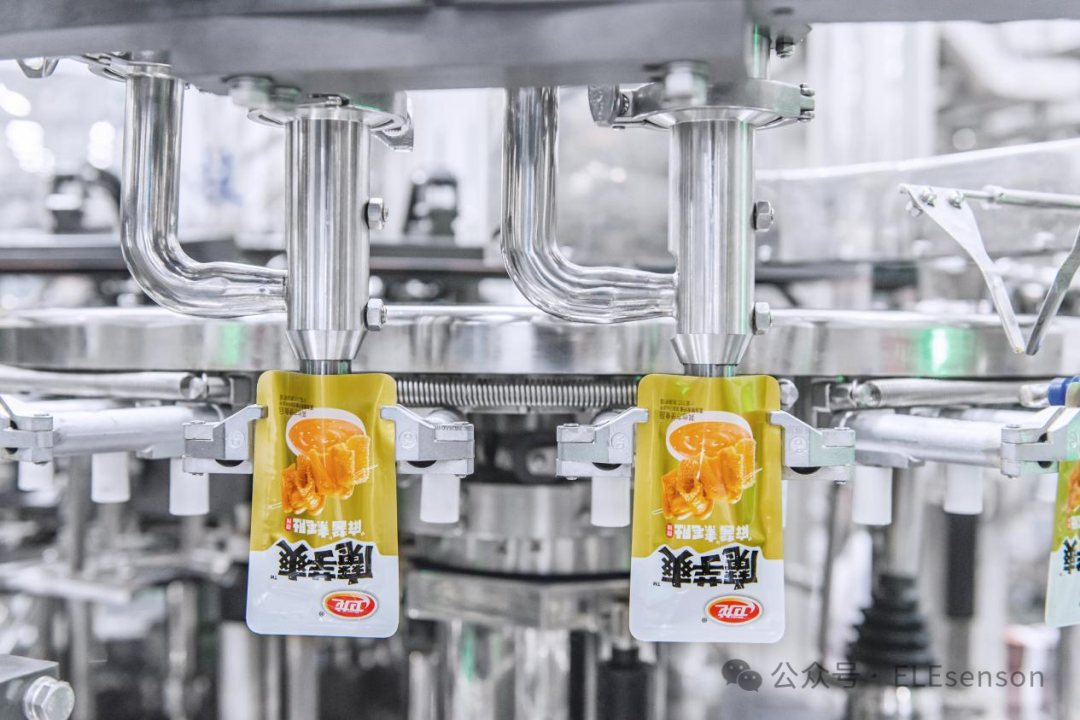
Food packaging safety is the final safety barrier of the food industry and the core cornerstone of consumer trust. In the mass production of composite film food packaging bags, various invisible quality defects frequently occur, including film layer overlapping, printing misalignment, sealing damage, and metering errors. These hidden problems easily trigger after-sales returns, batch scrapping, and food safety risks, becoming a key pain point restricting standardized quality control for packaging enterprises.
For a long time, quality control engineers and bag manufacturers have been plagued by persistent packaging quality issues. Composite bag delamination and double-layer lamination lead to poor sealing and customer returns; printing registration deviation causes entire roll material scrapping and massive raw material waste; tiny pinholes, hidden bubbles and sealing cracks are difficult to capture by naked eyes. Especially for high-speed production lines with a speed of 200 bags per minute, traditional manual sampling inspection is completely ineffective with extremely high missing detection rates. The industry has long relied on patched, general-purpose sensor solutions, lacking professional, systematic, and standardized composite film inspection equipment.
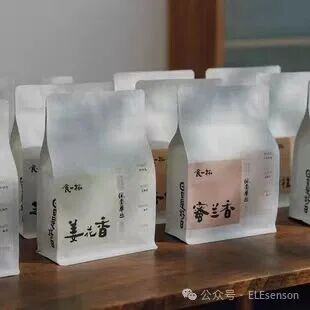
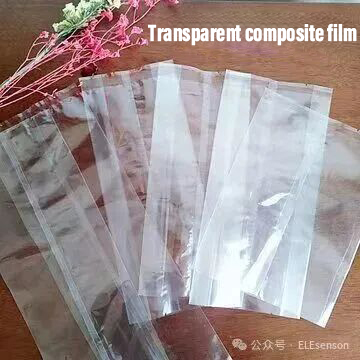
01.Industry Pain Points | General Sensors Fail to Adapt to Composite Film Inspection Scenarios
At present, composite film food bag quality inspection is still in a “makeshift alternative” stage. Conventional universal sensors have inherent technical defects in targeted detection scenarios and cannot form closed-loop quality control, resulting in unresolvable quality risks:
- Reflective Photoelectric Sensors: Prone to frequent false triggering and invalid signal output when detecting metallized composite film layers, unable to achieve stable and reliable layer identification.
- Ultrasonic Single/Double Sheet Sensors: Limited by working principle resolution, it cannot accurately distinguish layer differences such as 2-layer and 4-layer composite films, resulting in inaccurate double-layer anomaly identification.
- Metal Eddy Current Detectors: Only applicable to packaging bags containing metal layers, with extremely narrow application scenarios; unable to detect printing, sealing and other comprehensive defects synchronously.
- Manual Visual Inspection: High false-negative and missing inspection rates, unable to match the inspection rhythm of high-speed production lines, bringing long-term hidden dangers to factory quality control.
Although imported brands occupy the mainstream market of general industrial sensors, there are no targeted customized solutions for composite film food packaging scenarios. Most domestic manufacturers only produce single-function imitation equipment, resulting in a typical industry dilemma of“market demand exists but professional solutions are missing”. Most factories can only refer to peer experience for procurement, but the universal ultrasonic and photoelectric solutions searched on the market cannot adapt to composite bag detection. After repeated testing and failure, enterprises have to passively tolerate quality risks due to no alternative equipment.
02.ELE Innovative Breakthrough | All-in-One Vision System Reshapes Composite Film Quality Control Standards
Focusing on industrial machine vision inspection technology, ELE thoroughly breaks the industry’s long-term reliance on fragmented single-function sensors. We independently launch a full-functional composite film food packaging vision inspection system, integrating four core detection modules: double-layer film lamination detection, printing registration deviation inspection, sealing defect identification, and precise length metering. Based on a unified vision hardware platform, it realizes one-machine multi-purpose and full-dimensional full-inspection quality control for food packaging.
Core Function & Customer Value Matrix
Function Modules | Core Customer Value | Market Demand Matching |
Composite Film Lamination Detection (2-Layer/4-Layer Identification) | Effectively solve poor sealing caused by abnormal lamination, reduce product return rates and after-sales disputes | Industry pain points are prominent with no mature solutions; strong rigid market demand |
Printing Registration Inspection | Avoid batch scrapping of printed packaging materials and greatly reduce raw material waste costs | Highly matched, directly related to enterprise production cost control |
Sealing Defect Detection | Accurately identify tiny pinholes, bubbles, sealing cracks and other hidden defects to ensure food packaging safety | Mandatory demand for food safety compliance, preventing safety accidents caused by defective sealing |
Precision Length & Meter Counting | Guarantee accurate packaging material metering, avoid short weight problems, and ensure batch production consistency | Meet supermarket sampling inspection and customer compliance acceptance standards |
Four-in-One Integrated Advantage | Replace multiple independent detection devices, reduce 80% of equipment procurement and docking costs, and improve debugging efficiency | Solve the core pain of multi-equipment compatibility and multi-supplier management confusion |
Scenario Adaptation Advantages
ELE integrated vision inspection system is precisely customized for the actual production scenarios of food packaging factories and bag-making equipment manufacturers, with strong scene adaptability and practicality:
- Integrated design eliminates the need for repeated installation of multiple sensors on the production line, simplifying equipment wiring and reducing installation and commissioning costs.
- Unified inspection platform and data output realize centralized statistics, traceability and management of all packaging quality defects.
- Specially optimized vision algorithms for composite film features completely solve the misjudgment and missed detection problems of traditional ultrasonic and photoelectric sensors, greatly improving detection accuracy and stability.
- Fully adapts to high-speed production lines of 200 bags per minute and above, realizing 100% full inspection instead of traditional sampling inspection, completely eliminating defect leakage risks.
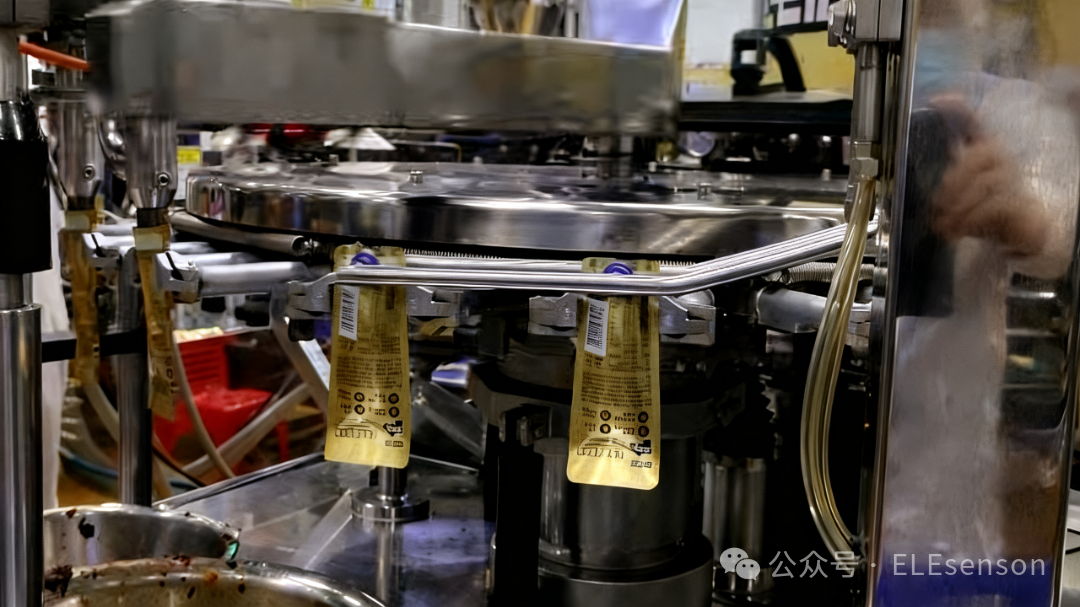
03.Market Value Upgrade | From Single Sensor Sales to Systematic Quality Control Solutions
According to industry market data, the separate procurement cost of traditional single-function detection equipment is extremely high: standalone double-layer detection equipment costs 5,000–8,000 RMB, printing registration detection 8,000–15,000 RMB, sealing defect detection 6,000–12,000 RMB, and meter counting equipment 3,000–8,000 RMB. Purchasing multiple devices separately will not only generate huge procurement costs, but also bring many problems such as inconsistent system protocols, difficult compatibility docking, complicated later maintenance, and scattered after-sales resources.
ELE all-in-one food packaging vision inspection system integrates the four core detection functions in one device, with a comprehensive pricing of 20,000–35,000 RMB. It realizes one-time procurement, full-scene quality control, effectively reducing customers’ comprehensive procurement, operation and maintenance costs.
This innovative model completely changes the industry’s traditional sales logic of “selling single sensors”. Instead, ELE provides targeted and systematic full-process quality control solutions for composite film food packaging enterprises, helping factories achieve intelligent, standardized and low-cost quality upgrading.
Rock Drill Sensor Kit | Angle, Depth & Laser Positioning for Intelligent Drilling
Intelligent Tunneling
The Sensing Revolution
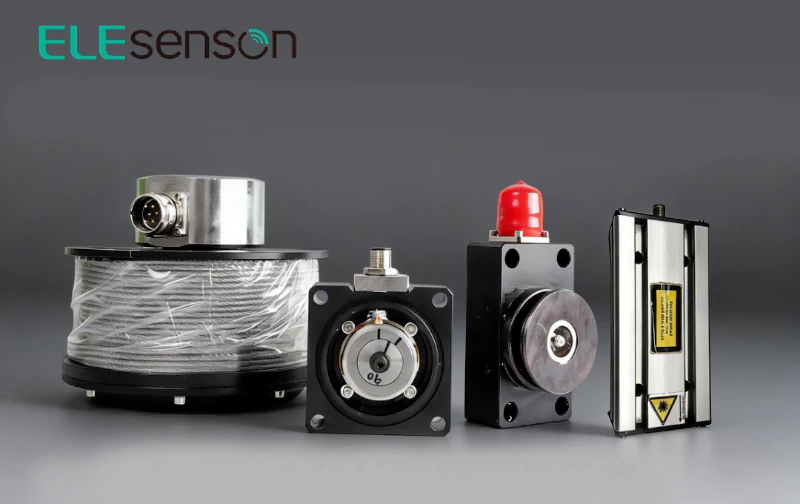
ELE launches a professional all-in-one rock drill sensor kit, integrating angle monitoring, precise depth measurement, boom extension detection, and laser positioning. Designed for mine tunneling, tunnel excavation, foundation pit anchoring, and underground engineering, this full-set sensing solution upgrades traditional manual-dependent rock drills into digital precision drilling equipment, ensuring every borehole is constructed strictly according to design standards.
In underground drilling projects, borehole positioning accuracy, depth control precision, and real-time construction monitoring directly determine engineering safety, material consumption, and overall project cost. Traditional drilling operations rely entirely on worker experience and simple manual measurement, which inevitably leads to three major industry pain points: severe hole position deviation that ruins blasting and anchoring accuracy; inaccurate depth control causing over-excavation or under-excavation and massive material waste; and blind drilling processes with no real-time data feedback for status tracking and quality verification.
To solve the long-standing precision and digitalization bottlenecks of rock drilling construction, ELE independently developed four core smart sensors for rock drills: angle sensor, depth sensor, extension sensor, and laser positioning sensor. The four-in-one data fusion system realizes full-process, full-dimensional intelligent perception of drilling posture, penetration depth, boom extension status, and hole positioning, enabling standardized, visualized, and traceable intelligent tunneling operations.
1.Four Core Sensors | Full-Dimensional Drilling Perception System
1.1 Rock Drill Angle Sensor
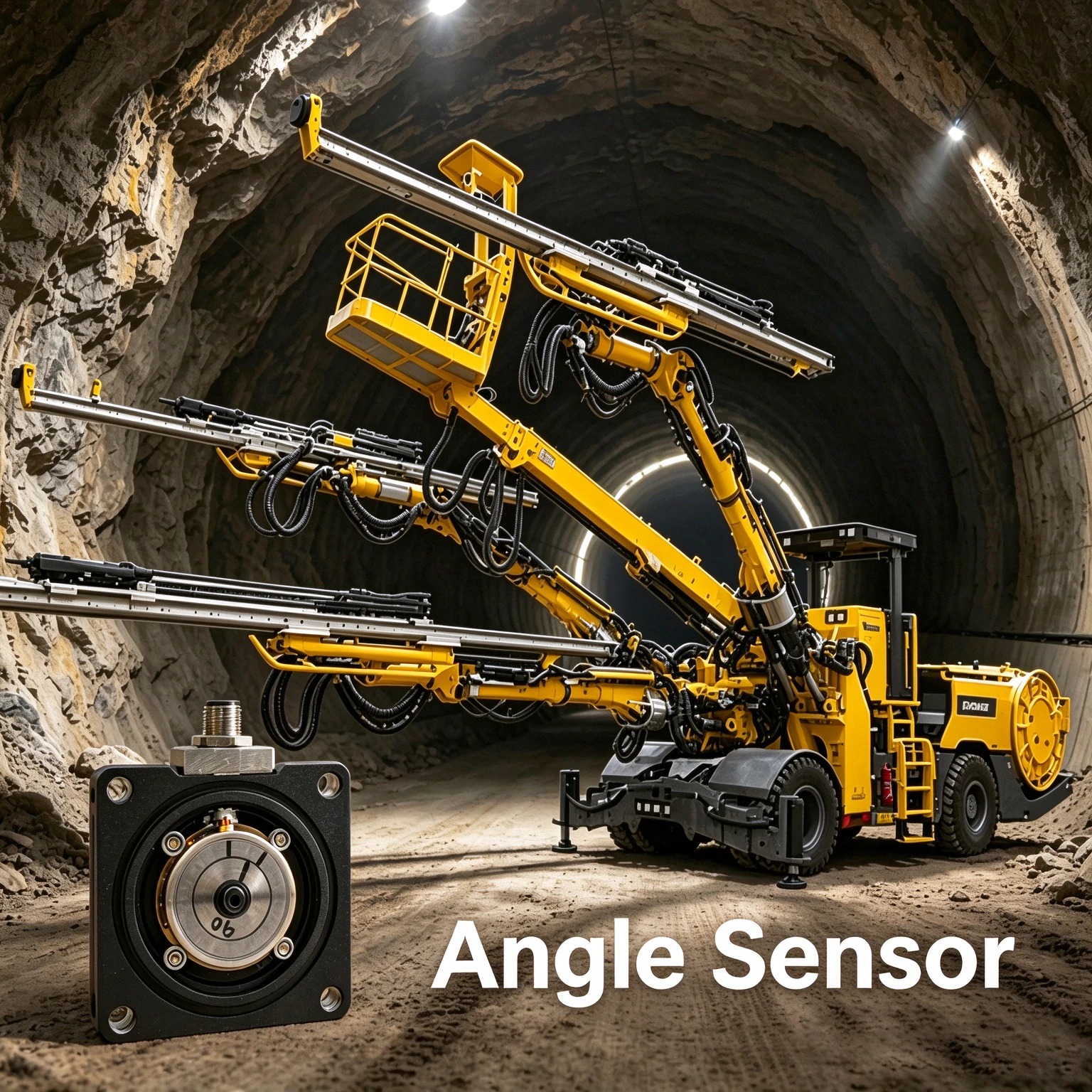
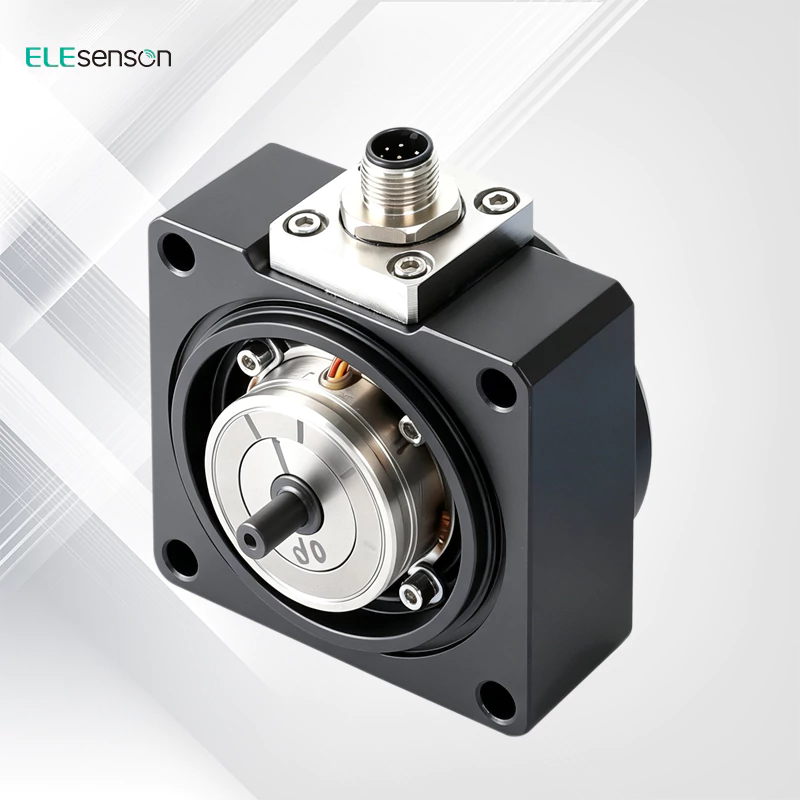
Built with high-precision MEMS three-axis accelerometer and gyroscope, paired with optimized Kalman filtering algorithm, ELE angle sensor accurately outputs real-time Euler angle data including roll, pitch, and yaw of drill booms and propulsion beams relative to the absolute horizontal plane and heading direction. It supports multiple industrial universal protocols including CANopen, RS485 Modbus RTU, and 4–20mA analog output, perfectly adapting to mainstream drilling rig control systems.
The sensor achieves 24-hour real-time dynamic monitoring of drilling horizontal angle, pitch angle, and roll angle, effectively correcting drilling posture deviation during operation. It ensures the actual drilling angle is completely consistent with the design value, thoroughly eliminating hole deflection problems caused by manual visual judgment errors.
1.2 High-Precision Depth Sensor
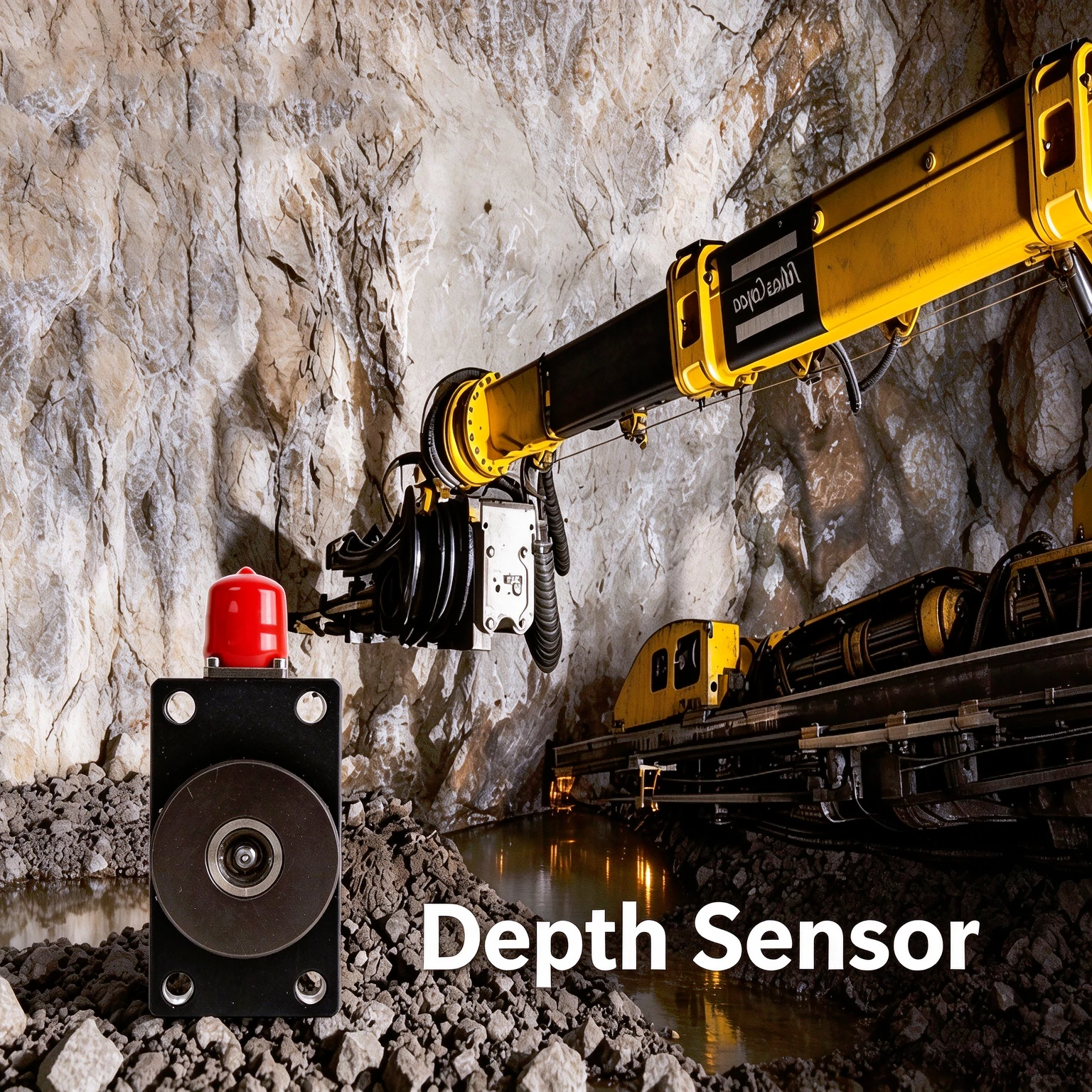
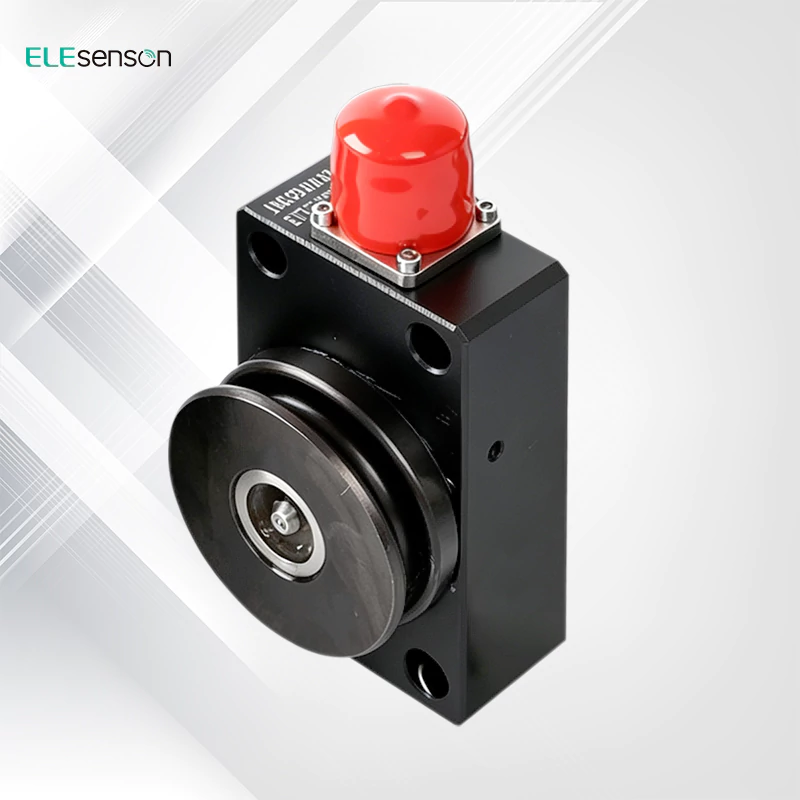
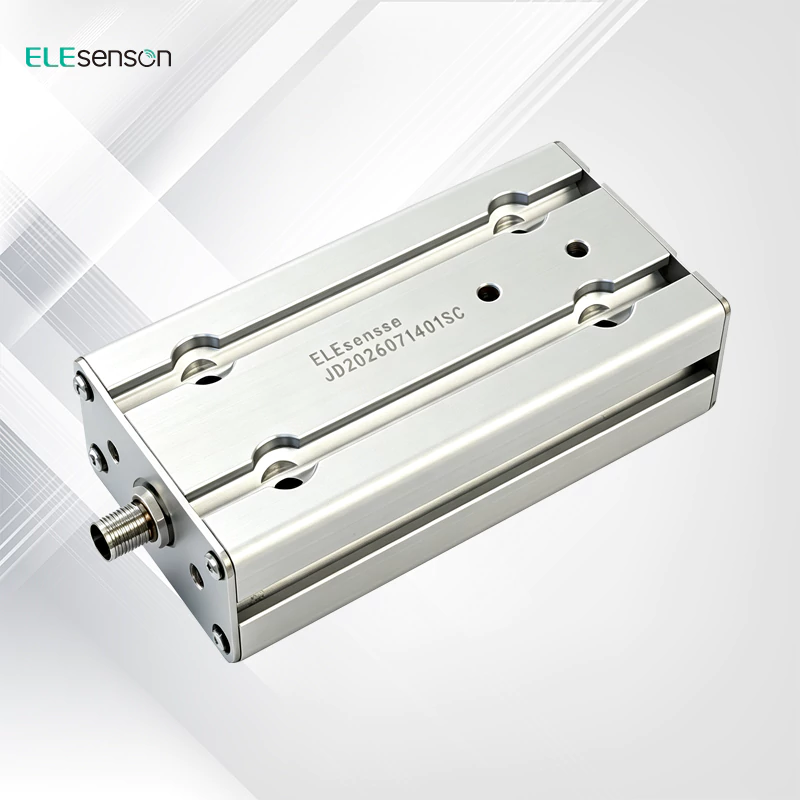
ELE rock drill depth sensor adopts dual technical solutions of magnetostrictive non-contact displacement measurement and high-resolution incremental encoder contact measurement, matched with mechanical limit protection switches. Installed on drive cylinders and chain drive sprockets, it features built-in temperature compensation and signal conditioning modules to adapt to severe underground temperature changes.
Supporting dual redundant signal output and wire break detection for safety-level reliability certification, the sensor achieves a measurement resolution up to 0.5mm and linearity ≤ ±0.05% FS. The standard measurement range covers 0–6m, with customizable extended range up to 10m. It accurately records real-time drilling penetration depth, avoiding over-excavation and under-excavation, and standardizing drilling depth quality control.
1.3 Boom Extension & Tension Sensor
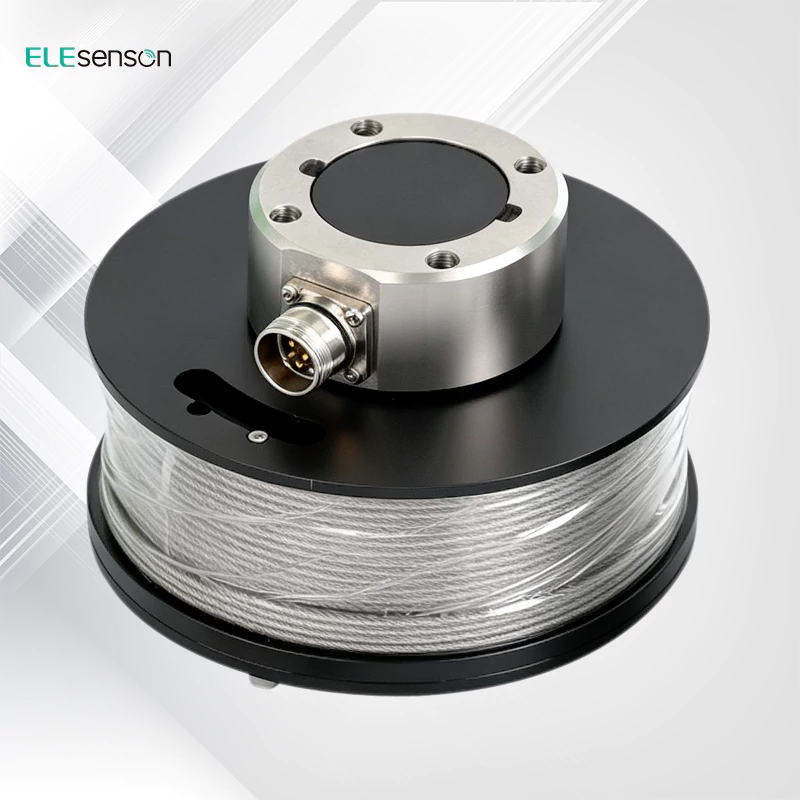
For telescopic and folding drill boom rock drills, the actual feed extension length is inconsistent with the single cylinder stroke due to mechanical gaps and structural elastic deformation. Relying solely on cylinder stroke conversion will cause cumulative errors of 1–3cm, seriously affecting long-hole drilling accuracy.
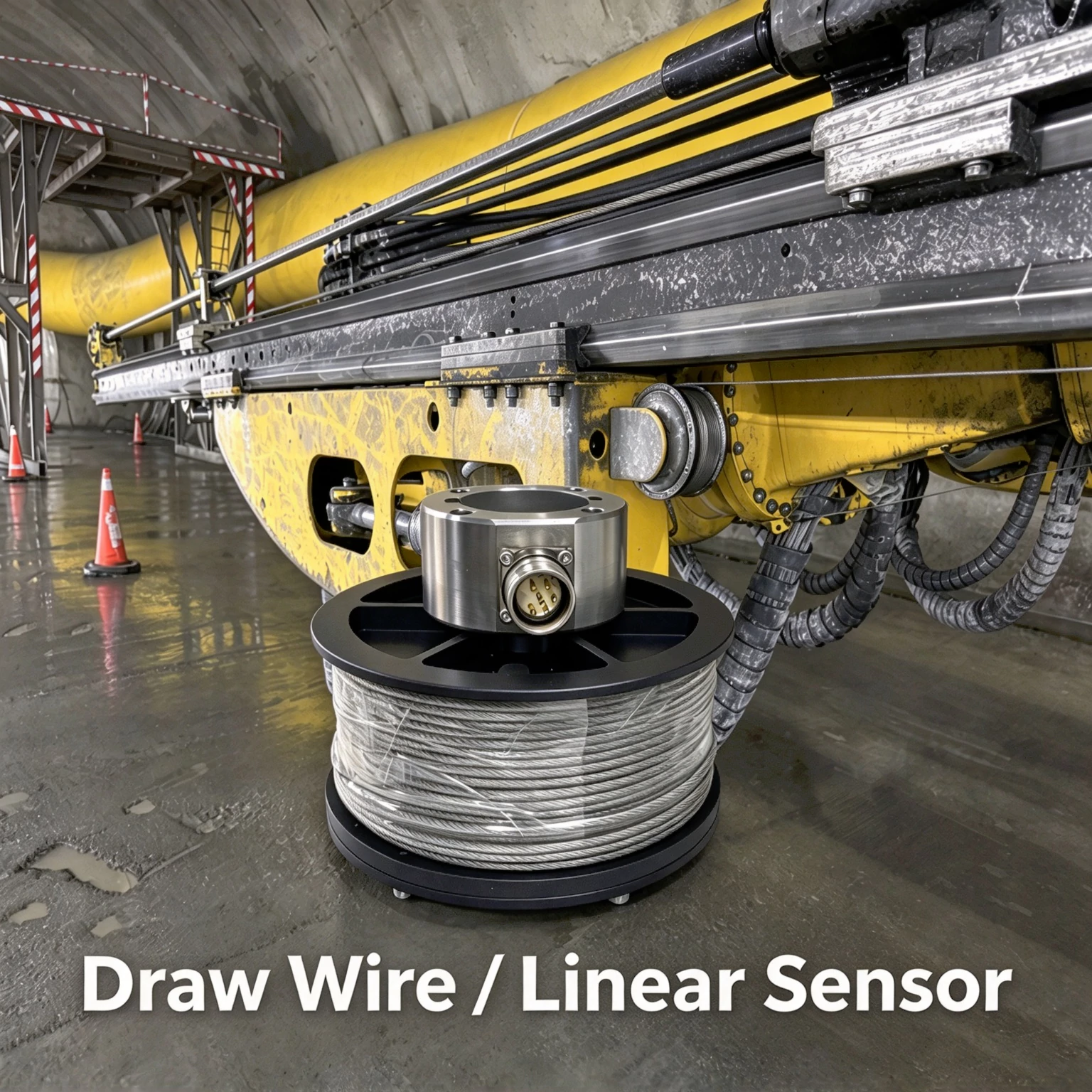
ELE extension sensor adopts draw-wire encoder and laser distance measurement module to directly detect the real extension distance of the front drill rod guide frame relative to the rear fixed pivot. It synchronizes and fuses data with the depth sensor, and automatically switches depth calculation models according to drill boom splicing and extension states. For deep hole drilling over 10m, it controls comprehensive positioning deviation within 2cm, greatly improving the precision of large-span tunnel pipe arch support and horizontal core drilling.
1.4 High-Visibility Laser Positioning Sensor
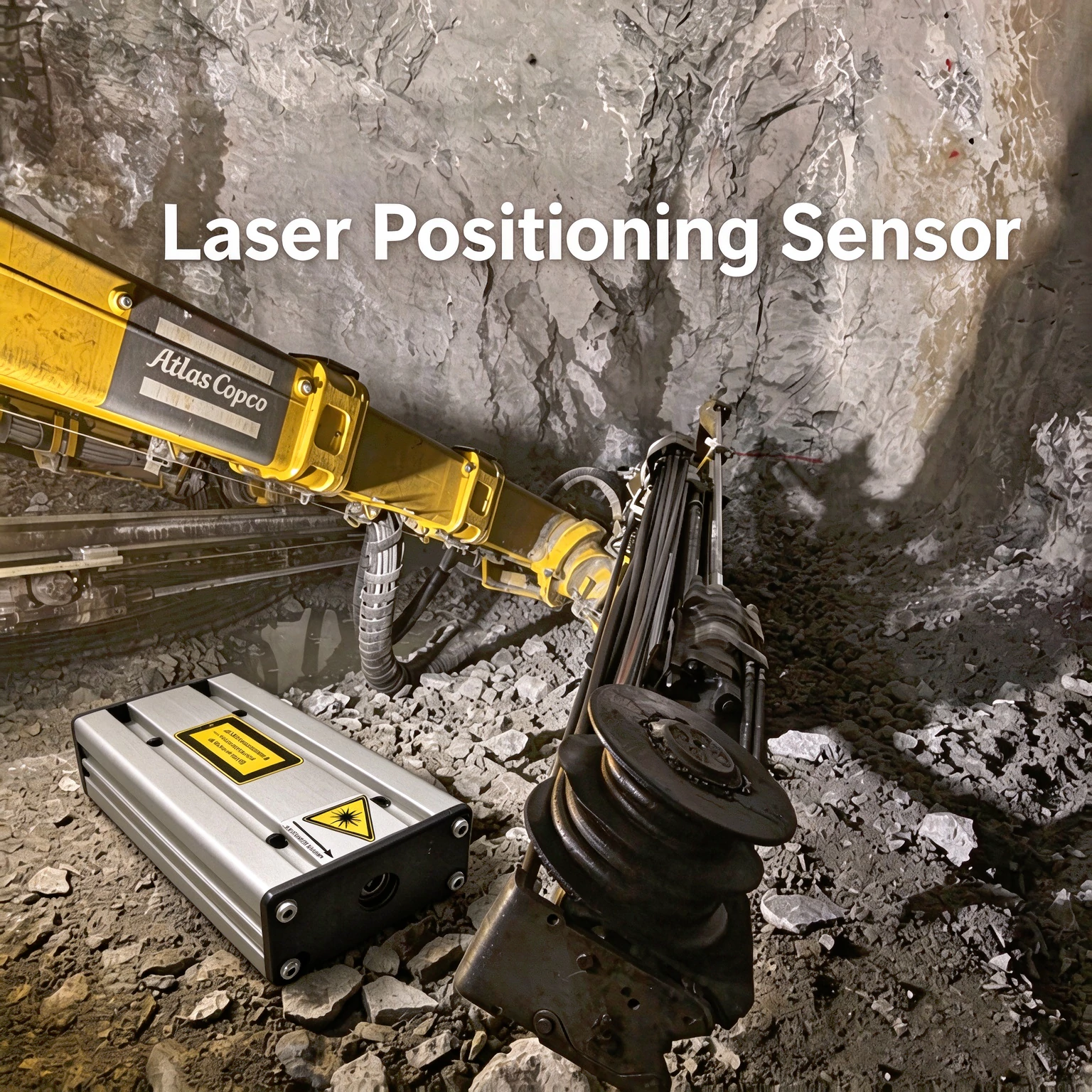
Different from ordinary single-point laser pointers, ELE laser positioning sensor integrates cross/dot laser emission module and coaxial image acquisition sensor. During construction, the laser is projected onto the tunnel working face; the system intelligently identifies laser alignment offset through image processing algorithm and outputs millimeter-level deviation data via CAN bus, guiding operators to complete precise fine-tuning of drill booms.
Tunnel environments feature weak light, heavy water mist, and high dust, which cause ordinary laser positioning to fail. ELE adopts 520nm green laser with ≤5mW safe power, maintaining clear imaging and recognizable alignment effects under 2000lux strong ambient light. The pulsed laser enhancement mode further improves anti-interference ability in dusty and humid working conditions, ensuring stable and accurate positioning in complex tunnel environments.
 2.Core Value | Data Fusion Creates Intelligent Drilling Upgrade
A single sensor can only realize partial data monitoring, while the core advantage of ELE four-piece rock drill sensor kit lies in multi-sensor data fusion and integrated collaborative control. It breaks the isolated data problem of single-point monitoring, builds a closed-loop intelligent perception system of “angle posture + penetration depth + boom extension + laser positioning”, and completely changes the traditional empirical and blind drilling mode.
By upgrading ordinary hydraulic rock drills with this full-sensing kit, traditional construction machinery is transformed from pure “power tools” into high-precision “intelligent drilling robots”. It realizes full-process digital monitoring, visual construction, and quantifiable quality inspection for tunneling and anchoring projects, effectively reducing construction errors, lowering rework rates, and improving overall engineering efficiency and safety standards.
3.Typical Application Scenarios
- Mine Tunnel Drilling: Precise positioning of blasting holes and anchor holes to ensure uniform hole arrangement and consistent blasting effect.
- Traffic Tunnel Excavation: Full-process deviation correction for deep hole drilling to improve tunnel forming accuracy.
- Foundation Pit & Slope Anchoring: Standardized depth and angle control for anchoring holes to enhance overall structural stability.
- Underground Core Drilling: High-precision positioning for long-distance horizontal drilling to meet geological exploration precision requirements.
Angle Sensor
Click to view
Depth Sensor
Click to view
Linear Sensor
Click to view
Laser Positioning Sensor
Click to view
Rock Drill Cables
Click to view
Vision Length Measurement System | Non-Contact Online Metering & AI Defect Inspection
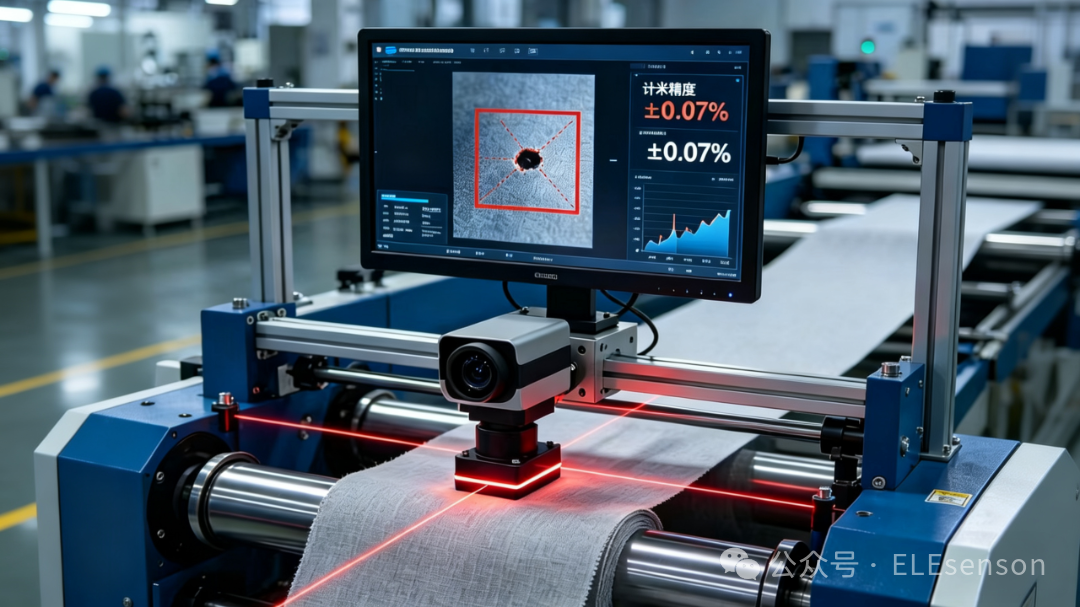
CCD Machine Vision + Precision Metering + AI Defect Detection. ELE all-in-one vision length measurement system solves three core production pain points for roll material manufacturing lines: inaccurate length counting, manual missing defects, and insufficient quality traceability. Widely applicable to textiles, chemical fibers, cables, plastic films, metal strips, and paper industries, this intelligent visual inspection equipment replaces traditional contact encoders and manual visual inspection, helping enterprises achieve precision production, standardized quality control, and full-process data traceability.
Traditional contact wheel counting and manual inspection can no longer meet modern factories’ requirements for high precision, high speed, zero-defect production, and intelligent management. As a professional industrial vision inspection manufacturer, ELE independently develops vision-based length measurement systems to realize non-contact metering, full online defect detection, and cloud data traceability, effectively reducing production costs, improving overall efficiency, and eliminating quality dispute risks.
01.Eliminate Traditional Defects, Redefine Industrial High-Precision Metering
Hidden Drawbacks of Traditional Contact Counting Equipment
Most conventional length counters rely on encoder and contact wheel friction measurement. After long-term continuous operation, mechanical slippage, roller wear, and structural loosening inevitably occur, resulting in accumulating measurement errors over time. This long-standing problem leads to inconsistent finished material length, raw material waste, inaccurate delivery metering, and even customer reconciliation disputes, return claims, and corporate reputation losses.
Core Advantages of ELE Non-Contact Vision Metering System
Breaking the limitations of mechanical contact measurement, the ELE intelligent vision length measurement system adopts CCD linear scan industrial camera + high-precision image analysis algorithm. It captures real-time surface texture features and tracking points of rolling materials without any surface contact, realizing dynamic high-precision length calculation.
With zero friction and zero wear throughout the whole process, there is no slippage error or mechanical aging drift. The measurement accuracy is stably controlled within ±0.1% permanently, completely solving the accuracy attenuation problem of traditional devices. Every roll of material achieves true, reliable, and traceable length data.
02.All-in-One Design | One Device Covers Three Core Production Functions
Abandoning the traditional single-function single-device redundant configuration, the ELE vision system integrates precision length metering, AI full-scale defect detection, and cloud quality traceability in one unit, comprehensively upgrading and replacing backward production and inspection modes.
Comparison Item | Traditional Production Mode | ELE Visual Intelligent Solution |
Length in meters | Encoder contact counting, prone to slippage and wear; errors gradually accumulate with usage time. | Pure optical non-contact measurement; lifelong zero wear; accuracy always stable at ±0.1%. |
Defect Detection | Manual visual inspection with low efficiency and severe visual fatigue; extremely high missing and misjudgment rates. | 100% full online CCD scanning + AI intelligent classification identification; accurate capture of tiny defects. |
Quality Traceability | No effective data retention; difficult quality problem verification; frequent after-sales disputes. | Independent inspection report for each roll; cloud data storage; full-process quality traceability. |
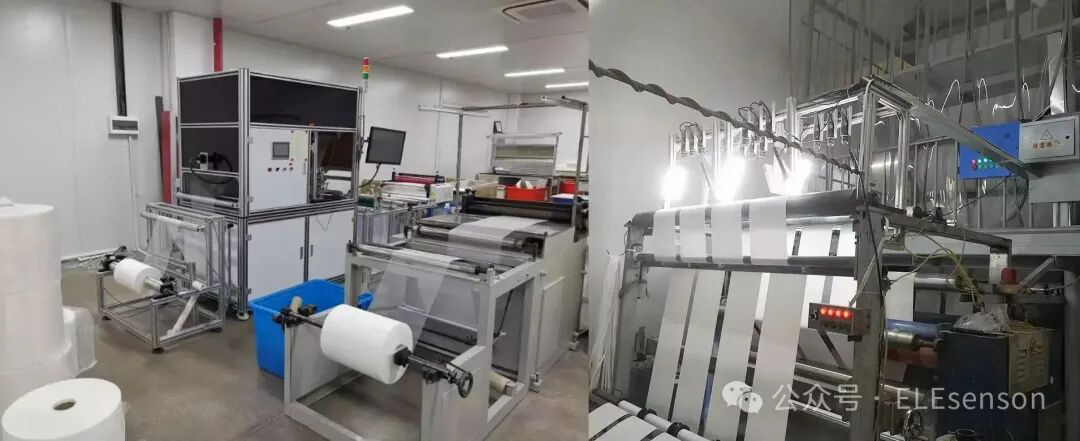
03.Core Industry Applications | First Choice for Textile Intelligent Upgrade
Rolled textile materials represent the largest automated inspection demand scenario with the highest transformation return on investment. At present, China has more than 4,000 textile and nonwoven production lines, with an annual output of 8 million tons. However, the automated inspection penetration rate is only 15%–20%, and over 90% of production lines still rely on manual sampling inspection, resulting in high labor costs, unstable quality, and high defect rates.
3.1 Nonwoven Fabric Production Line
Installed at the winding station front end, the system realizes one-stop intelligent control for the entire production process:
- High-precision Metering: Millimeter-level visual counting eliminates slippage errors and material loss, supporting accurate output statistics and material consumption analysis.
- Full Defect Inspection: Automatically identifies holes, oil stains, crystal spots, lumps, wrinkles, uneven thickness and other common defects, with AI automatic classification and data statistics.
- Intelligent Alarm & Marking: Triggers sound-light alarm and automatic inkjet marking immediately after defect identification, facilitating precise cutting and rework in subsequent processes.
- Full Data Traceability: Generates exclusive quality inspection reports for each roll of material to realize visualized production management.
Core Value: Realizes 100% full coverage inspection instead of traditional 5% manual sampling rate, reduces missing inspection rate to nearly zero, and cuts customer quality complaints and return disputes by 80%.
3.2 Textile Printing, Dyeing & Finished Fabric
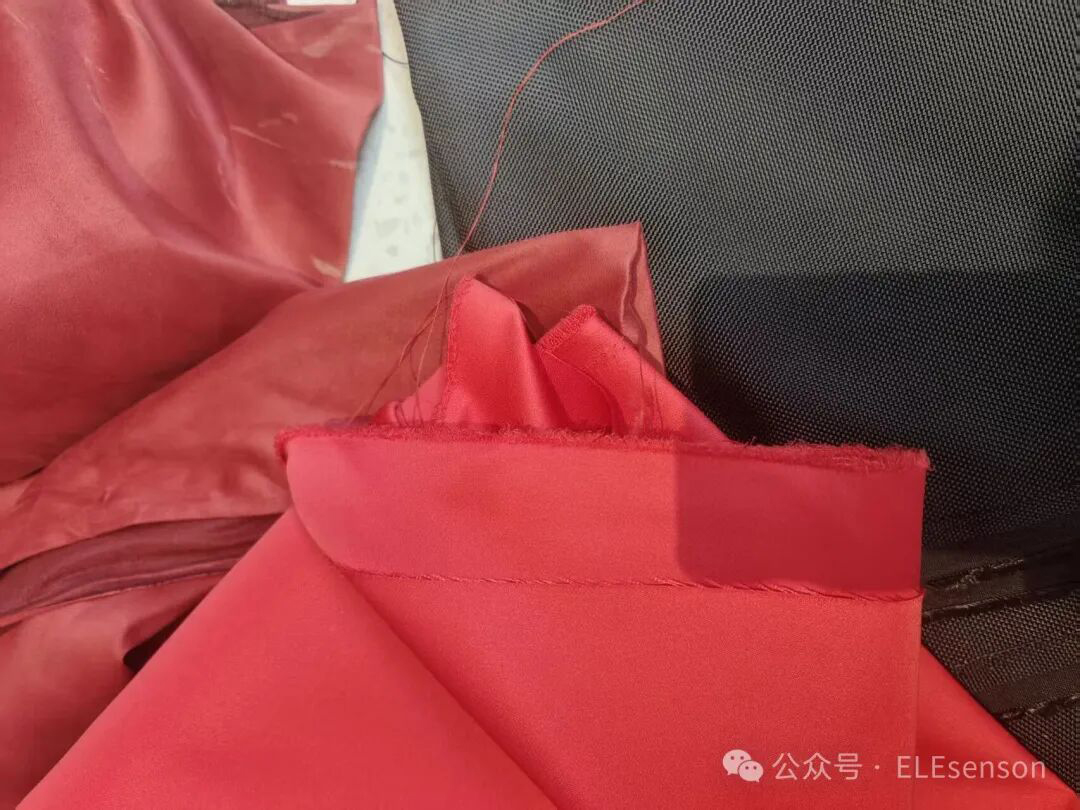
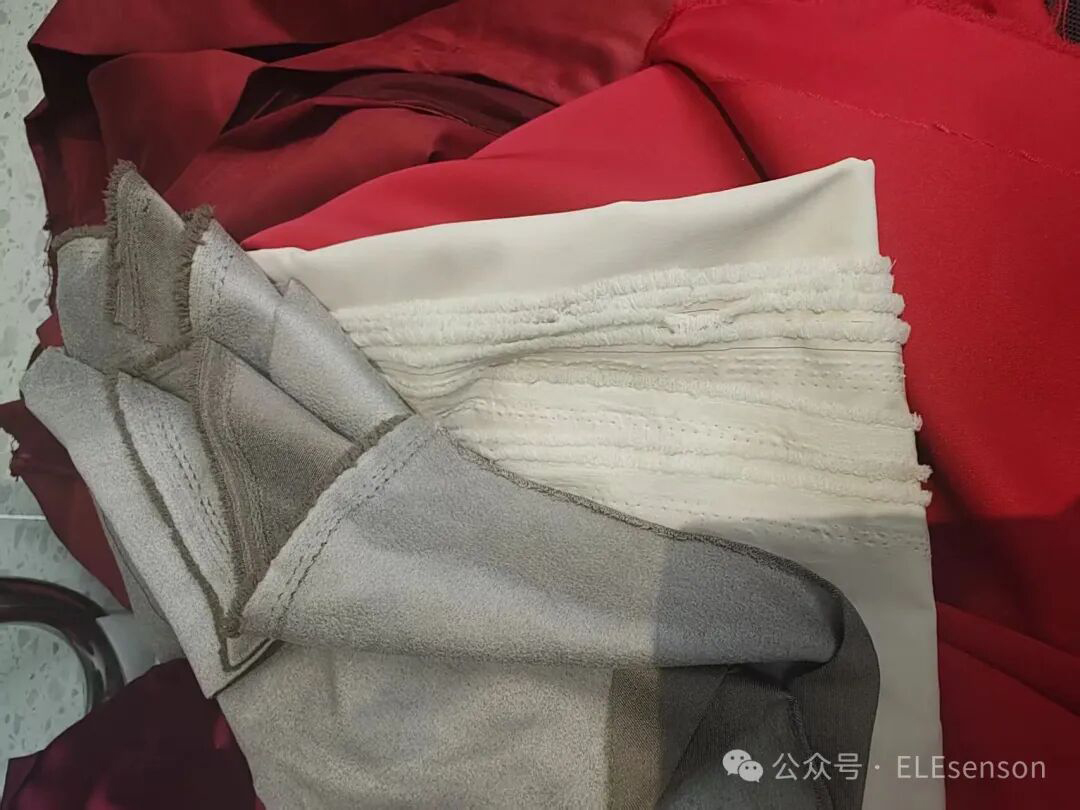
Covers the whole process from grey fabric weaving, printing and dyeing to finished product inspection. It accurately measures grey fabric length to optimize material utilization rate, tracks printing patterns in real time to ensure printing repeat precision, and intelligently detects finished fabric defects such as color difference, missing yarn, broken warp, and stains.
3.3 Synthetic Fiber & Yarn Industry
Realizes real-time monitoring of spinning density and uniformity dynamic feedback during high-speed production. It accurately identifies broken filaments for early warning, and precisely counts winding length to standardize finished yarn quality.


04.Universal Industry Adaptation | Full-Coverage Roll Material Inspection
Beyond textile scenarios, the ELE vision measurement and inspection system is widely applicable to almost all flexible and rigid roll material production lines:
- Cable & Optical Fiber Industry: Precise length metering + detection of surface scratches, bulges, and insulation damage defects.
- Plastic Film Industry: Suitable for BOPP, PE and other films, detecting crystal points, fish eyes, holes and other defects while counting length.
- Metal Strip Industry: High-precision metering for steel strips, copper strips and other metal coils, identifying surface scratches and indentation defects.
- Paper Industry: Base paper length measurement + detection of holes, impurities, and tearing defects.
- Rubber & Tire Industry: Precise cord fabric length counting + joint defect detection.
05.ELE Brand Advantages | High Cost-Performance & Fast Customized Service
Compared with international brands and domestic peers, ELE visual inspection equipment features lower overall cost, faster after-sales response, iterative AI algorithms, and stronger customized adaptability, providing high-value industrial vision solutions for Chinese factories.
Comparison Item | International Brands | Domestic Major Manufacturers | ELEsenson |
Equipment Unit Price | $30,000–$100,000 | $12,000–$25,000 | $2,800–$6,800 (high cost performance) |
After-Sales Response | Long cycle, mostly paid service | 3–5 working days processing | Same-day on-site service in Zhejiang, nationwide rapid response |
Remote O&M | No remote maintenance support | Partial model support | Full series standard Bluetooth + IoT remote diagnosis & maintenance |
AI Algorithm Capability | Mature but solidified, no iteration | Basic fixed algorithm package | Continuous online iteration, higher accuracy with longer usage |
Customization Ability | Difficult to customize, low flexibility | Standard customization, average adaptability | Full-scene personalized on-demand customization |
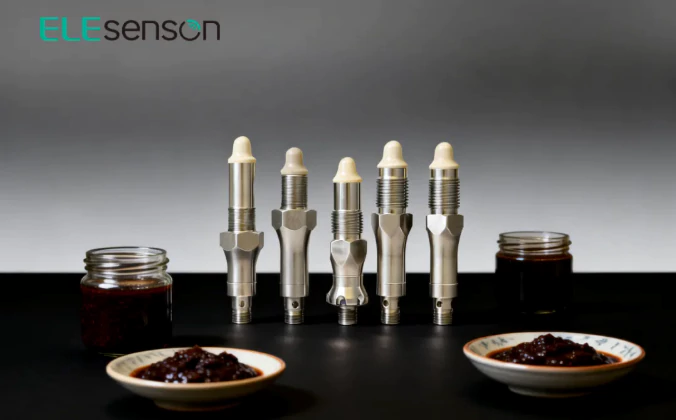
RF Admittance Level Sensor | Anti-Sticking Detection for High-Viscosity Food Sauces
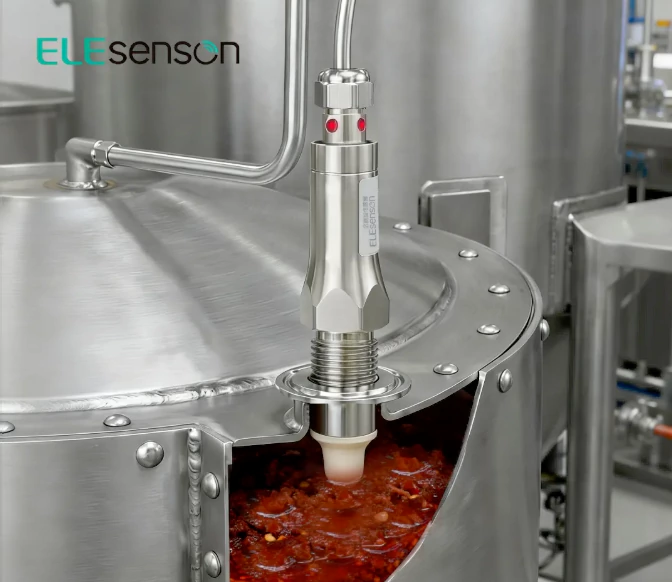
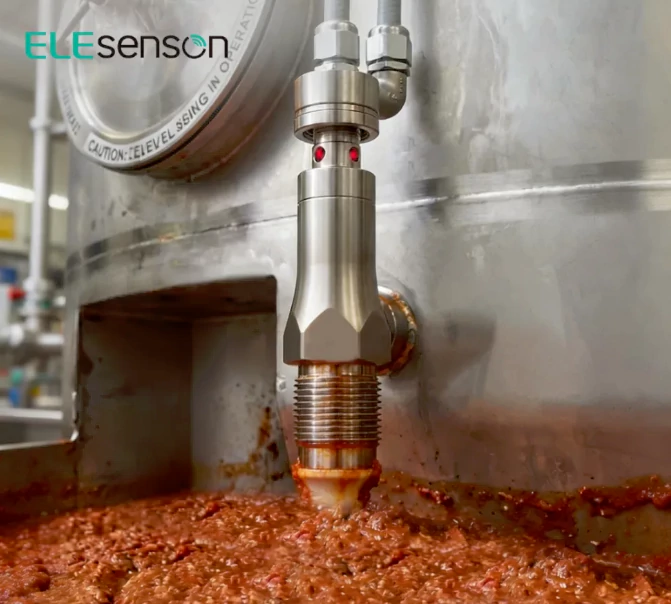
In industrial storage tanks and reaction vessels handling viscous media such as adhesives, resins, asphalt, industrial coatings, and food sauces, traditional level detection faces a stubborn and long-standing pain point: false level alarms caused by probe adhesion and material residue. Unlike conventional liquid materials, high-viscosity substances easily cling to sensor probes and form a persistent coating layer. This common issue leads traditional capacitive level sensors to generate distorted data: the system displays a “full tank” status even when the tank still has vacant space, or continues to show “material present” after the tank is completely emptied. These frequent false readings trigger unplanned production shutdowns, mandatory manual tank and probe cleaning, material overflow accidents, and massive raw material waste, severely disrupting automated production stability and increasing operational costs.
ELE industrial RF admittance level sensor adopts proprietary RF admittance detection technology and innovative active shielding structure, thoroughly solving the false detection dilemma caused by viscous medium adhesion. It delivers stable, drift-free, and high-precision level monitoring for all high-viscosity, easy-adhesion working conditions, putting an end to inaccurate detection of traditional capacitive sensors.
01
Core Advantage: True Anti-Sticking & Anti-Clogging Sensing
The fundamental defect of traditional capacitive sensors is single-dimensional detection logic. Such sensors only judge the material level by capacitance value changes, failing to distinguish betweenactual medium contact and residual adhesion layer. Since both real materials and sticky residues can alter capacitance data, false alarms are inevitable in viscous medium working scenarios.
ELE RF admittance level sensor realizes disruptive upgrading through multi-dimensional RF admittance detection + equipotential active shielding electrode design. The probe adopts a dual-electrode synchronous operation structure, in which the measuring electrode and the shielding electrode maintain completely consistent potential, frequency, and phase. The system actively eliminates the interference signal generated by the surface adhesion layer, achieving exclusive identification of real material coverage at the probe tip.
No matter how strong the medium viscosity or how thick the surface adhesion layer is, the sensor output signal remains stable and accurate without drift or misjudgment. In short, probe adhesion will never interfere with effective detection — sticky residue cannot fool ELE’s professional sensing algorithm.
02
Technical Principle: Break Through Detection Limitations, See Through False Adhesion
2.1 From Single-Parameter Judgment to Multi-Dimensional Stereoscopic Detection
Traditional capacitive sensors rely solely on capacitance changes for level judgment, equivalent to “monocular observation” with a single judgment dimension. Once the probe is covered by sticky materials, the capacitance data is disordered, resulting in a sharp rise in false detection rate.
ELE RF admittance technology achieves comprehensive stereoscopic detection. It synchronously collects and analyzes three core parameters: resistance (conductance), capacitance (admittance), and phase angle difference. By comparing the comprehensive characteristic differences between real medium contact and surface residue adhesion, the system accurately filters invalid interference signals from sticky coatings and locks real material level changes. This upgrades detection from single-data judgment to full-feature material identification, fundamentally solving the adhesion interference problem.
2.2 Active Equipotential Shielding Technology: Zero Interference from Adhesion Layer
As the core black technology of anti-sticking detection, active driven shielding technology completely subverts the single-electrode structure of traditional sensors. The ELE sensor probe adopts a three-terminal integrated structure, including a central measuring electrode, a coaxial shielding electrode, and a driving terminal.
The measuring electrode and the shielding electrode transmit high-frequency RF signals synchronously with equal potential and identical phase. Since there is no potential difference between the two electrodes, the adhered sticky medium cannot form effective current conduction, and the adhesion layer loses all interference impact on measurement data. This realizes the professional detection logic of adhesion accumulates on the probe, while measurement remains completely accurate.
Meanwhile, the synchronous in-phase shielding layer forms a stable electrostatic isolation barrier, which shields external environmental interference and residual capacitance influence, focusing all detection accuracy on the real material level changes inside the tank.
03
Industrial Verification: Powerful Data Proves Stable Performance
3.1 Ultra-Low False Alarm Rate, Far Exceeding Traditional Sensors
In professional laboratory tests targeting high-viscosity asphalt medium (viscosity up to 5000 mPa·s), the ELE RF admittance level sensor achieves afalse alarm rate lower than 0.1%, with less than one misjudgment in 1000 detection cycles. In contrast, traditional capacitive sensors have a false alarm rate as high as 20%–30% under the same working conditions, unable to meet continuous and stable production requirements.
3.2 Greatly Improved Detection Accuracy, Reducing Material Waste
A large chemical plant’s adhesive and resin storage tanks once suffered from overflow losses caused by low detection accuracy. Traditional transmitters had a measurement error of ±5%, leading to frequent material overflow and raw material waste. After replacing with ELE RF admittance level sensors, the detection error was optimized to ±0.5%, reducing annual raw material loss by more than 1 million RMB and effectively improving production benefits.
3.3 70%+ Reduction in Maintenance Downtime
For cement plant pulverized coal silos and damp powder storage equipment, traditional sensors require weekly shutdown cleaning due to easy adhesion of damp materials. After adopting ELE RF admittance sensors, the shutdown frequency caused by adhesion false alarms is reduced by more than 70%. It eliminates frequent manual cleaning and equipment downtime, realizing long-term unattended stable operation of the production line.
04
Product Core Features & Industrial Advantages
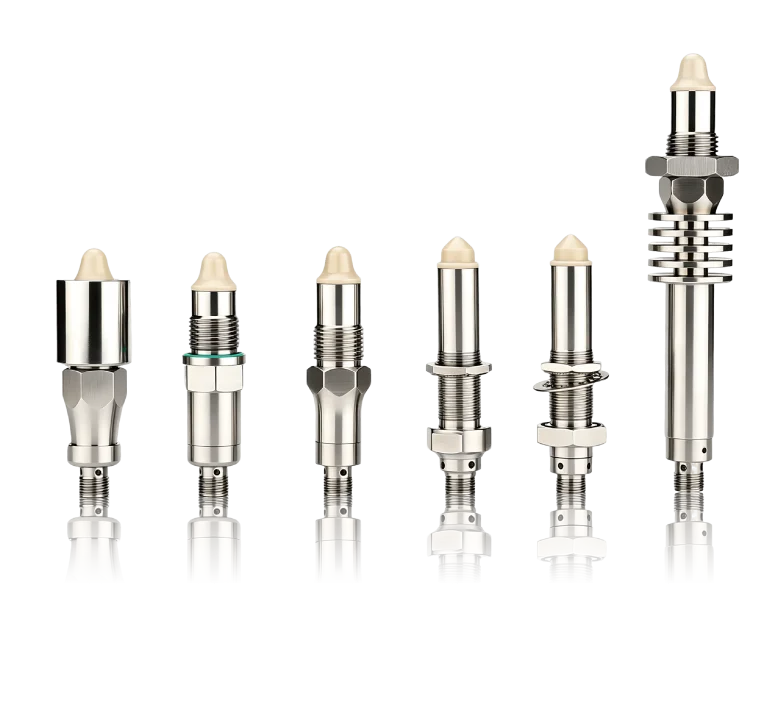
Relying on years of industrial sensor R&D and manufacturing experience, ELE specially designs RF admittance level sensors for high-viscosity, easy-adhesion, and harsh industrial media, covering chemical, food, building materials, and environmental protection industries.
- Industry-Leading Anti-Adhesion Performance: Combining multi-dimensional admittance measurement and active shielding technology, it maintains accurate detection even when the probe is fully covered by sticky media, completely free from residue interference.
- Ultra-Wide Medium Compatibility: Applicable to all media with dielectric constant ≥1.6, including conductive liquid, non-conductive liquid, viscous slurry, asphalt, ink, glue, and food sauce, with strong scene adaptability.
- Maintenance-Free Electronic Design: No mechanical moving parts, zero mechanical wear, no need for regular manual probe cleaning, greatly reducing later operation and maintenance costs.
- Extreme Environmental Adaptability: Supports -40℃ to 200℃ wide temperature operation, withstands up to 10 MPa pressure, and features IP66/IP67 high-level protection, adapting to high-temperature, high-pressure, dusty, and humid harsh workshop environments.
- Intelligent & Easy Integration: Supports 4–20mA analog signal, digital switch output, and HART protocol. It can be seamlessly connected with PLC and DCS systems to realize automatic feeding, high/low level alarm, and intelligent inventory management.
05
Typical Industrial Application Scenarios
- Adhesive & Glue Storage Tanks: Realizes high and low liquid level alarm, tank overflow prevention, and empty pump protection to ensure safe and stable glue supply.
- Resin & Polymer Reaction Kettles: Continuously monitors material level changes during chemical reactions, supporting precise process control.
- Asphalt, Heavy Oil, Ink & Coating Tanks: Solves detection difficulties of high-temperature and high-viscosity media, avoiding false alarms caused by thick adhesion layers.
- Food Grade Sauce & Syrup Tanks: Provides stable and reliable level detection for viscous food materials, meeting sanitary production requirements.
06
Conclusion
For viscous medium production lines that are prone to adhesion and residue, level detection accuracy directly determines production safety, yield and maintenance cost. ELE RF admittance level sensor completely solves the industry pain point of adhesion false detection through active shielding technology and multi-dimensional sensing logic. It avoids material overflow, production shutdown and manual cleaning losses, becoming a reliable stable detection anchor for viscous medium industrial scenarios.
ELE RF Admittance Level Sensor: The Stickier the Medium, the More Accurate the Detection.
Contact ELE Sensor for free sample testing and professional technical selection support to customize exclusive level detection solutions for your working conditions.
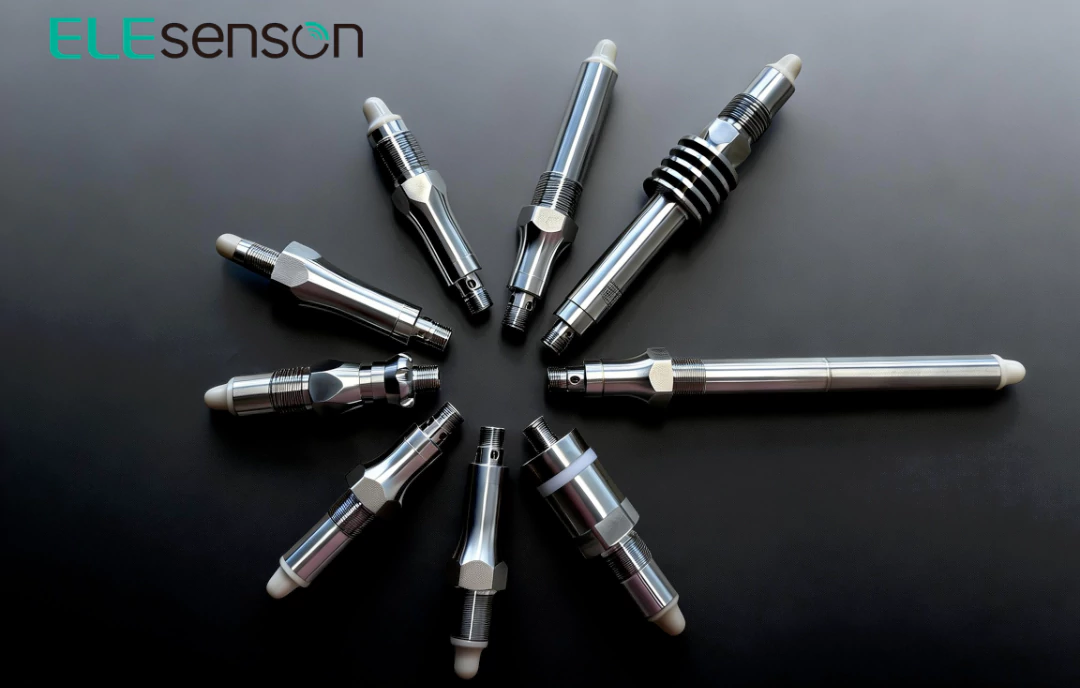
RF Admittance Level Sensor | Professional Anti-Sticking Detection for Viscous Media
In industrial storage tanks and reaction vessels handling viscous media such as adhesives, resins, asphalt, industrial coatings, and food sauces, traditional level detection faces a stubborn and long-standing pain point: false level alarms caused by probe adhesion and material residue. Unlike conventional liquid materials, high-viscosity substances easily cling to sensor probes and form a persistent coating layer. This common issue leads traditional capacitive level sensors to generate distorted data: the system displays a “full tank” status even when the tank still has vacant space, or continues to show “material present” after the tank is completely emptied. These frequent false readings trigger unplanned production shutdowns, mandatory manual tank and probe cleaning, material overflow accidents, and massive raw material waste, severely disrupting automated production stability and increasing operational costs.
ELE industrial RF admittance level sensor adopts proprietary RF admittance detection technology and innovative active shielding structure, thoroughly solving the false detection dilemma caused by viscous medium adhesion. It delivers stable, drift-free, and high-precision level monitoring for all high-viscosity, easy-adhesion working conditions, putting an end to inaccurate detection of traditional capacitive sensors.
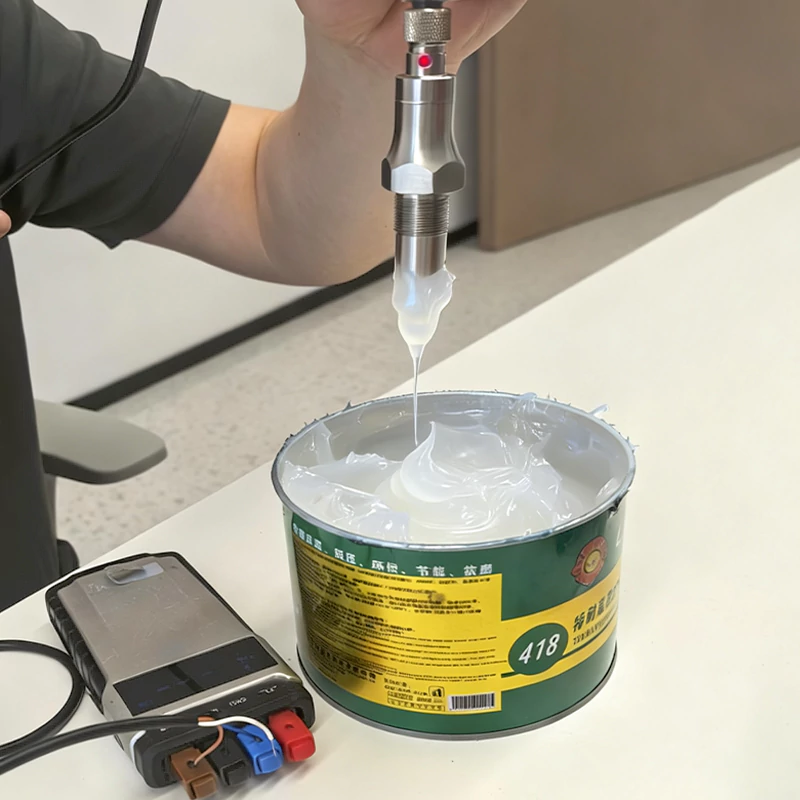
01. Core Advantage: True Anti-Sticking & Anti-Clogging Sensing
The fundamental defect of traditional capacitive sensors is single-dimensional detection logic. Such sensors only judge the material level by capacitance value changes, failing to distinguish betweenactual medium contact and residual adhesion layer. Since both real materials and sticky residues can alter capacitance data, false alarms are inevitable in viscous medium working scenarios.
ELE RF admittance level sensor realizes disruptive upgrading through multi-dimensional RF admittance detection + equipotential active shielding electrode design. The probe adopts a dual-electrode synchronous operation structure, in which the measuring electrode and the shielding electrode maintain completely consistent potential, frequency, and phase. The system actively eliminates the interference signal generated by the surface adhesion layer, achieving exclusive identification of real material coverage at the probe tip.
No matter how strong the medium viscosity or how thick the surface adhesion layer is, the sensor output signal remains stable and accurate without drift or misjudgment. In short, probe adhesion will never interfere with effective detection — sticky residue cannot fool ELE’s professional sensing algorithm.
02. Technical Principle: Break Through Detection Limitations, See Through False Adhesion
2.1 From Single-Parameter Judgment to Multi-Dimensional Stereoscopic Detection
Traditional capacitive sensors rely solely on capacitance changes for level judgment, equivalent to “monocular observation” with a single judgment dimension. Once the probe is covered by sticky materials, the capacitance data is disordered, resulting in a sharp rise in false detection rate.
ELE RF admittance technology achieves comprehensive stereoscopic detection. It synchronously collects and analyzes three core parameters: resistance (conductance), capacitance (admittance), and phase angle difference. By comparing the comprehensive characteristic differences between real medium contact and surface residue adhesion, the system accurately filters invalid interference signals from sticky coatings and locks real material level changes. This upgrades detection from single-data judgment to full-feature material identification, fundamentally solving the adhesion interference problem.
2.2 Active Equipotential Shielding Technology: Zero Interference from Adhesion Layer
As the core black technology of anti-sticking detection, active driven shielding technology completely subverts the single-electrode structure of traditional sensors. The ELE sensor probe adopts a three-terminal integrated structure, including a central measuring electrode, a coaxial shielding electrode, and a driving terminal.
The measuring electrode and the shielding electrode transmit high-frequency RF signals synchronously with equal potential and identical phase. Since there is no potential difference between the two electrodes, the adhered sticky medium cannot form effective current conduction, and the adhesion layer loses all interference impact on measurement data. This realizes the professional detection logic of adhesion accumulates on the probe, while measurement remains completely accurate.
Meanwhile, the synchronous in-phase shielding layer forms a stable electrostatic isolation barrier, which shields external environmental interference and residual capacitance influence, focusing all detection accuracy on the real material level changes inside the tank.
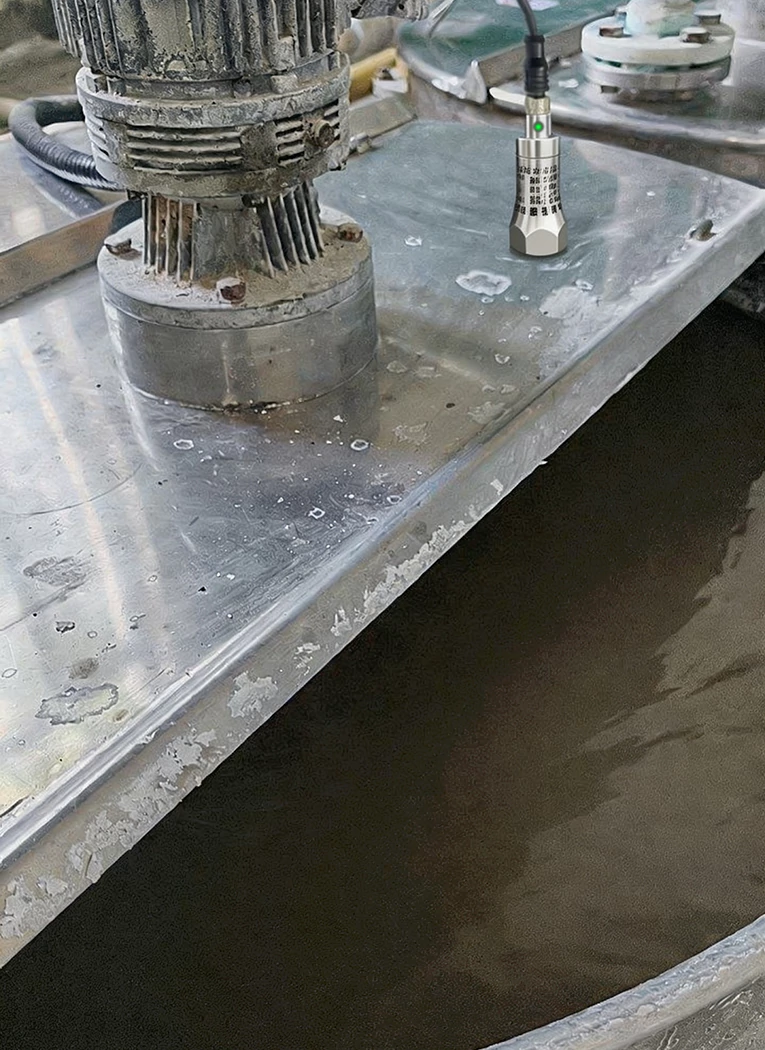
03. Industrial Verification: Powerful Data Proves Stable Performance
3.1 Ultra-Low False Alarm Rate, Far Exceeding Traditional Sensors
In professional laboratory tests targeting high-viscosity asphalt medium (viscosity up to 5000 mPa·s), the ELE RF admittance level sensor achieves afalse alarm rate lower than 0.1%, with less than one misjudgment in 1000 detection cycles. In contrast, traditional capacitive sensors have a false alarm rate as high as 20%–30% under the same working conditions, unable to meet continuous and stable production requirements.
3.2 Greatly Improved Detection Accuracy, Reducing Material Waste
A large chemical plant’s adhesive and resin storage tanks once suffered from overflow losses caused by low detection accuracy. Traditional transmitters had a measurement error of ±5%, leading to frequent material overflow and raw material waste. After replacing with ELE RF admittance level sensors, the detection error was optimized to ±0.5%, reducing annual raw material loss by more than 1 million RMB and effectively improving production benefits.
3.3 70%+ Reduction in Maintenance Downtime
For cement plant pulverized coal silos and damp powder storage equipment, traditional sensors require weekly shutdown cleaning due to easy adhesion of damp materials. After adopting ELE RF admittance sensors, the shutdown frequency caused by adhesion false alarms is reduced by more than 70%. It eliminates frequent manual cleaning and equipment downtime, realizing long-term unattended stable operation of the production line.
04. Product Core Features & Industrial Advantages
Relying on years of industrial sensor R&D and manufacturing experience, ELE specially designs RF admittance level sensors for high-viscosity, easy-adhesion, and harsh industrial media, covering chemical, food, building materials, and environmental protection industries.
- Industry-Leading Anti-Adhesion Performance: Combining multi-dimensional admittance measurement and active shielding technology, it maintains accurate detection even when the probe is fully covered by sticky media, completely free from residue interference.
- Ultra-Wide Medium Compatibility: Applicable to all media with dielectric constant ≥1.6, including conductive liquid, non-conductive liquid, viscous slurry, asphalt, ink, glue, and food sauce, with strong scene adaptability.
- Maintenance-Free Electronic Design: No mechanical moving parts, zero mechanical wear, no need for regular manual probe cleaning, greatly reducing later operation and maintenance costs.
- Extreme Environmental Adaptability: Supports -40℃ to 200℃ wide temperature operation, withstands up to 10 MPa pressure, and features IP66/IP67 high-level protection, adapting to high-temperature, high-pressure, dusty, and humid harsh workshop environments.
- Intelligent & Easy Integration: Supports 4–20mA analog signal, digital switch output, and HART protocol. It can be seamlessly connected with PLC and DCS systems to realize automatic feeding, high/low level alarm, and intelligent inventory management.
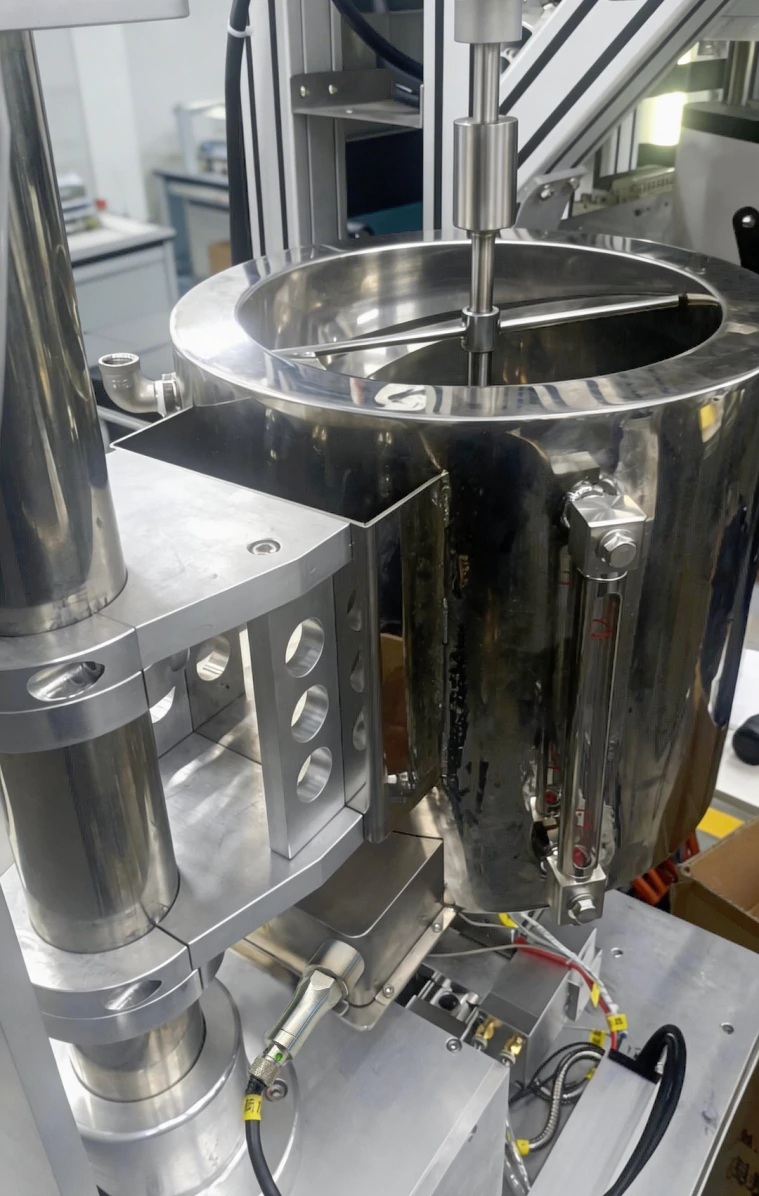
05. Typical Industrial Application Scenarios
- Adhesive & Glue Storage Tanks: Realizes high and low liquid level alarm, tank overflow prevention, and empty pump protection to ensure safe and stable glue supply.
- Resin & Polymer Reaction Kettles: Continuously monitors material level changes during chemical reactions, supporting precise process control.
- Asphalt, Heavy Oil, Ink & Coating Tanks: Solves detection difficulties of high-temperature and high-viscosity media, avoiding false alarms caused by thick adhesion layers.
- Food Grade Sauce & Syrup Tanks: Provides stable and reliable level detection for viscous food materials, meeting sanitary production requirements.
Conclusion
For viscous medium production lines that are prone to adhesion and residue, level detection accuracy directly determines production safety, yield and maintenance cost. ELE RF admittance level sensor completely solves the industry pain point of adhesion false detection through active shielding technology and multi-dimensional sensing logic. It avoids material overflow, production shutdown and manual cleaning losses, becoming a reliable stable detection anchor for viscous medium industrial scenarios.
ELE RF Admittance Level Sensor: The Stickier the Medium, the More Accurate the Detection.
Contact ELE Sensor for free sample testing and professional technical selection support to customize exclusive level detection solutions for your working conditions.