• +8618100165100
  • elesenson@gmail.com

Guarding Food Production Lines: Reliable Sensing Is Key

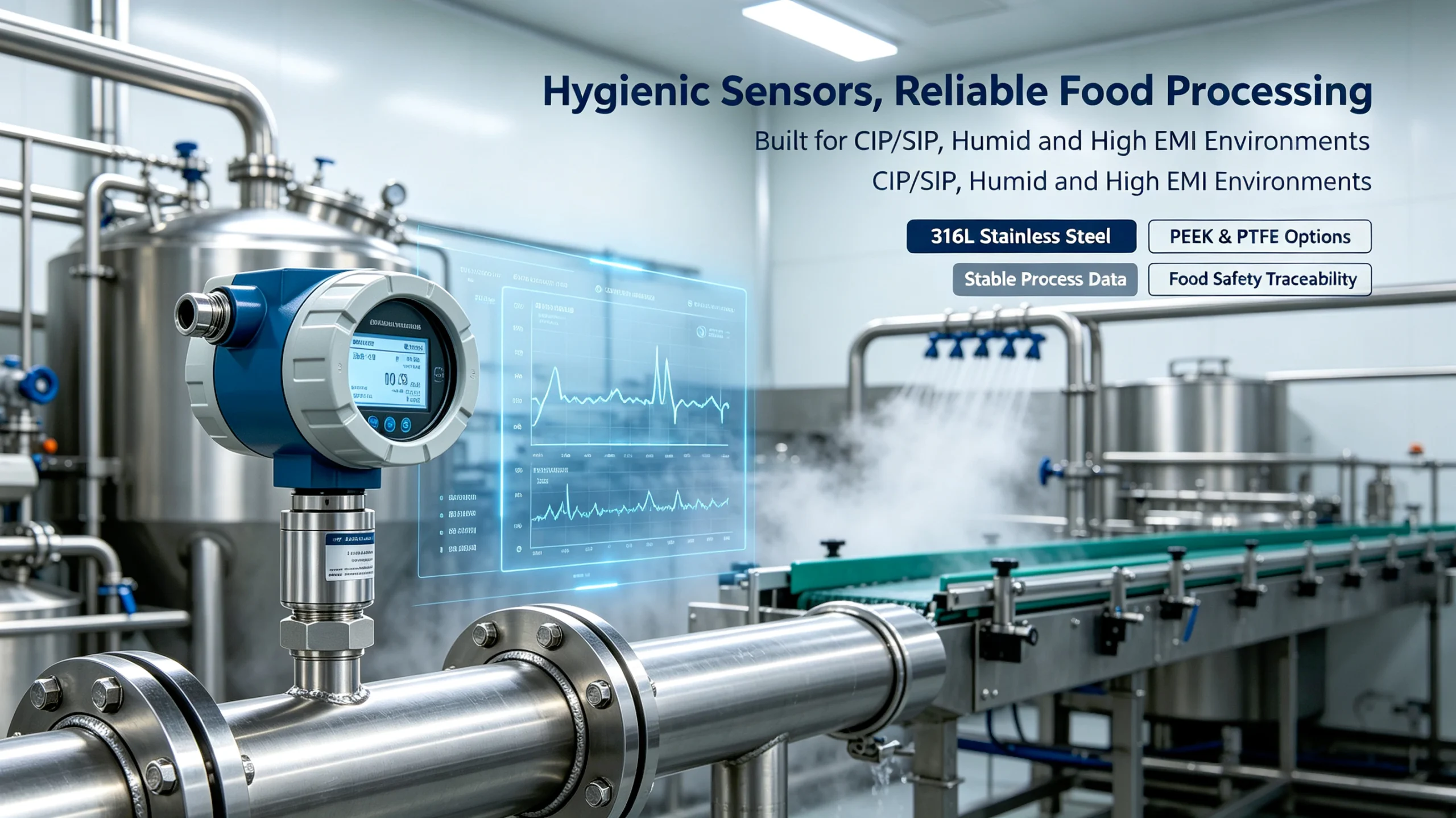
Hygienic Food Industry Sensors CIP SIP Washable for Food Production Line Safety Monitoring

Guarding Food Production Lines: Reliable Sensing Is Key

Special Requirements for Sensors in the Food Industry
01

Compliance Barriers Under Harsh Operating Conditions

Food production prioritizes safety. From raw material feeding, boiling and fermentation, to filling, sterilization and finished product packaging, the entire production line must strictly comply with food hygiene regulations. Workshops implement routine CIP (Clean-in-Place) online cleaning with acid and alkaline chemical sprays, accompanied by electromagnetic interference from motors and frequency converters. Ordinary sensors are prone to corrosion damage and signal drift. Only sensing equipment that meets food industry hygiene standards, while offering robustness and anti-interference performance, can steadily safeguard production line quality and avoid food safety hazards and batch scrapping risks.
What are the thresholds for food industry sensors?
02

Dual Tests of Hygiene and Performance

1. Food-grade materials with no precipitation or contamination
Parts of sensors that contact materials or cleaning water must not use ordinary plastics or rust-prone metals. They must adopt food-safe materials such as 316L stainless steel, PEEK and PTFE, featuring acid & alkali resistance and high temperature resistance. They will not precipitate substances, corrode or contaminate food raw materials during long-term CIP cleaning and material contact, fully complying with food contact safety standards.
2. Hygienic dead-space-free structure to prevent bacterial and material accumulation
The biggest risk in food workshops is bacterial growth from residues. Sensor surfaces must be smooth and seamless, free of grooves, threaded dead zones and concave-convex gaps, so thick sauces, milk powder and protein residues are less likely to stick and accumulate. Flush mount installation and hygienic clamp installation are supported to facilitate thorough CIP flushing, eliminating cleaning residues and workshop hygiene risks.
3. Resistance to frequent CIP/SIP cleaning, chemicals and high temperatures
Food workshops routinely use high-temperature hot water, acid & alkaline disinfectants, high-pressure spraying and steam sterilization. Ordinary sensors tend to age, crack, take in water and suffer corrosion failure when exposed to acids and alkalis. Food-grade sensors must withstand flushing, chemical agents and alternating hot & cold conditions, maintaining intact performance and stable detection accuracy after long-term cleaning.
4. High water and dust protection for humid and splashing working conditions
Food production lines feature heavy water mist, slurry splashes and high ambient humidity. Sensors must reach IP67/IP68 high protection ratings for dust prevention, water splash resistance and high-pressure wash resistance, preventing internal moisture, mildew and short-circuit faults to meet all-weather on-site washing requirements.
5. Strong anti-interference capability, stable and traceable data
Food workshops are densely equipped with frequency converters and stirring motors, resulting in severe electromagnetic interference. Food processes demand high measurement accuracy; sensor signal jitter, false alarms and misdetection are unacceptable. Sensors must adopt anti-interference design to ensure stable, accurate, recordable and traceable level, temperature and pressure data, satisfying mandatory requirements for food safety audits, production logs and process traceability.
Sensor Selection Criteria for Food Production Lines
03

Mandatory Standards for Food Safety Protection
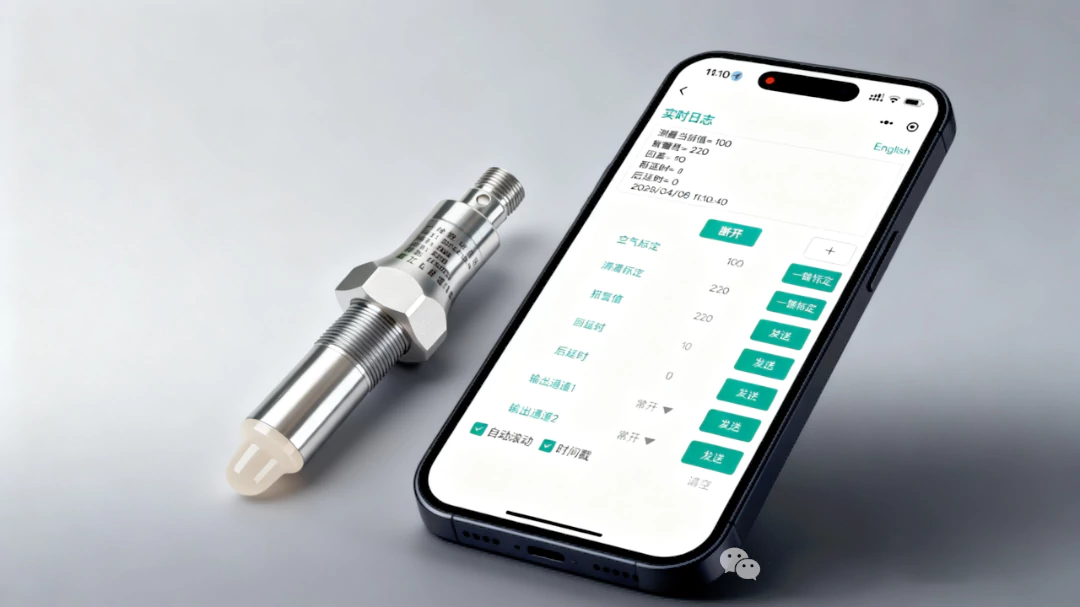
Frequency-sweeping level sensors (including Bluetooth version)
Application scenarios: Level monitoring for jam, syrup, dairy products, flour, starch storage tanks, batching tanks and boiling tanks
Operating requirements: Appropriate repeatability and response time; multi-frequency algorithm to filter foam and material build-up interference; industrial-grade EMC anti-interference capability. Bluetooth models support remote wireless data upload.
Advantages: Food-grade PEEK probe resistant to CIP acid & alkali cleaning; distinguishes materials from foam; high/low level alarms to prevent tank overflow and production shutdown caused by material shortage.
1. Bluetooth Frequency Sweeping Food Grade Level Sensor for Jam Dairy Grain Tank Monitoring 2.
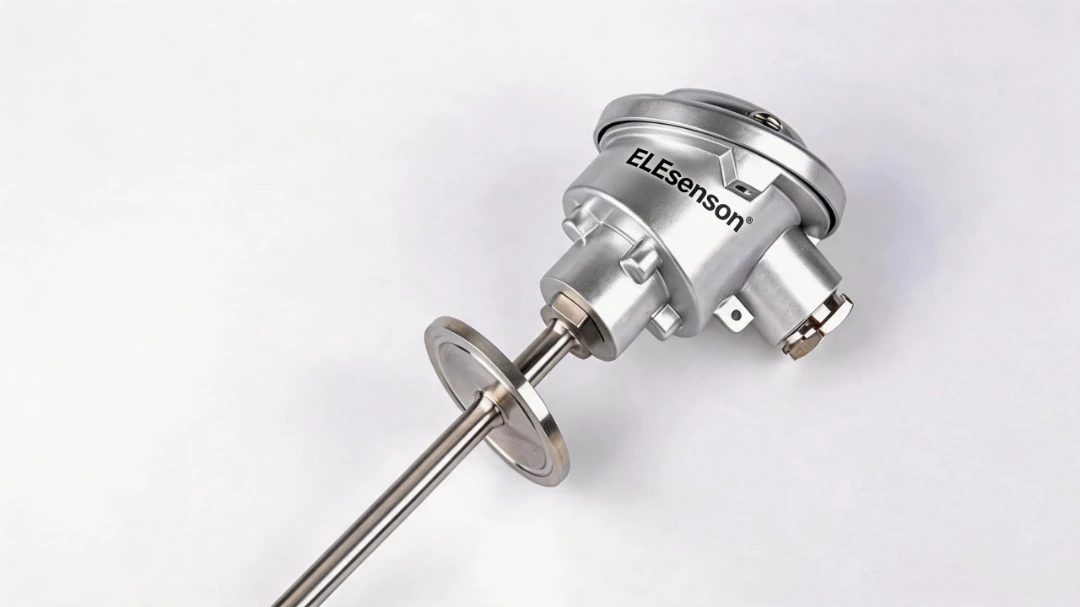
Hygienic temperature sensors
Application scenarios: Pasteurization, UHT sterilization, fermentation tanks, boiling sections and cold storage temperature measurement
Operating requirements: Class A temperature measurement accuracy, low temperature drift; response speed matching sterilization processes; 4-20mA or RS485 signal output for convenient data recording and traceability.
Advantages: 316L hygienic probe, resistant to high-temperature cleaning and steam sterilization, stabilizes sterilization processes and meets food safety audit requirements.
Hygienic 316L Stainless Steel Temperature Sensor for Pasteurization UHT Sterilization
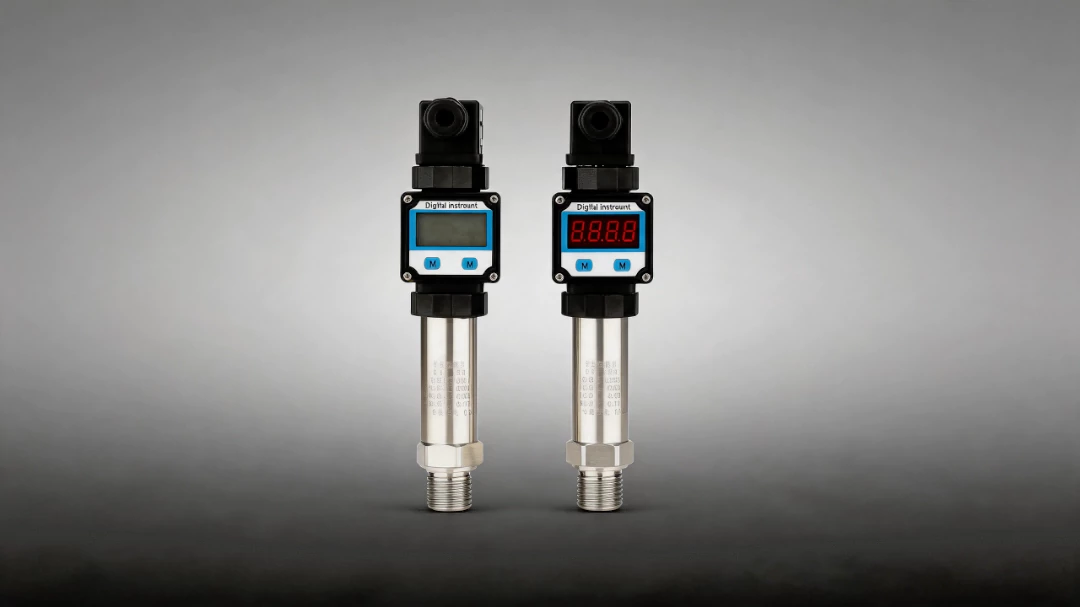
Hygienic pressure sensors
Application scenarios: Pressure monitoring for material conveying pipelines, homogenizers and CIP cleaning pipelines
Operating requirements: Pressure measurement accuracy and temperature drift specifications adapted to pipeline pulsation environments; flush diaphragm design without material accumulation dead zones and stable signals.
Advantages: Resists medium erosion and corrosion; real-time pipeline pressure monitoring to secure material conveying and online cleaning.
Flush Diaphragm Hygienic Pressure Sensor for Food Pipeline CIP Cleaning System
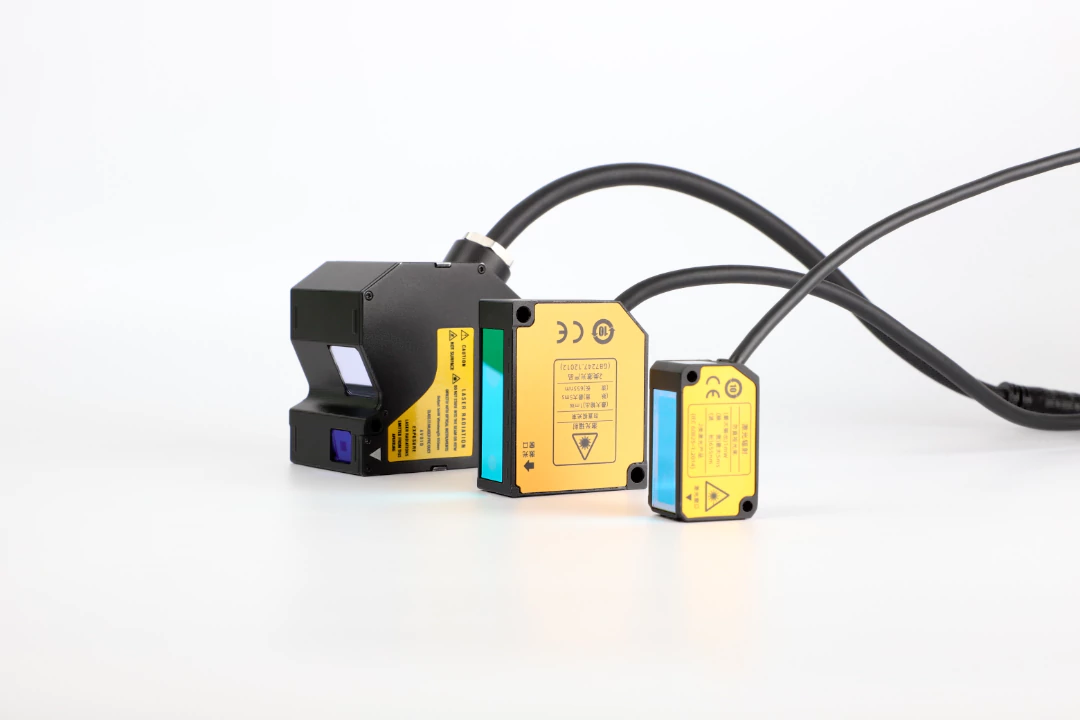
Laser displacement sensors
Application scenarios: Filling height detection, sealing flatness inspection, material layer thickness measurement and rejection of defective packages
Operating requirements: High repeatability and high sampling frequency to adapt to high-speed production lines; built-in filtering algorithm to counter water vapor and dust interference in workshops.
Advantages: Non-contact measurement with no direct contact with food materials to avoid cross-contamination; rapid identification of poor sealing and underfilled defective products.
High Precision Laser Displacement Sensor for Food Filling and Packaging Defect Detection
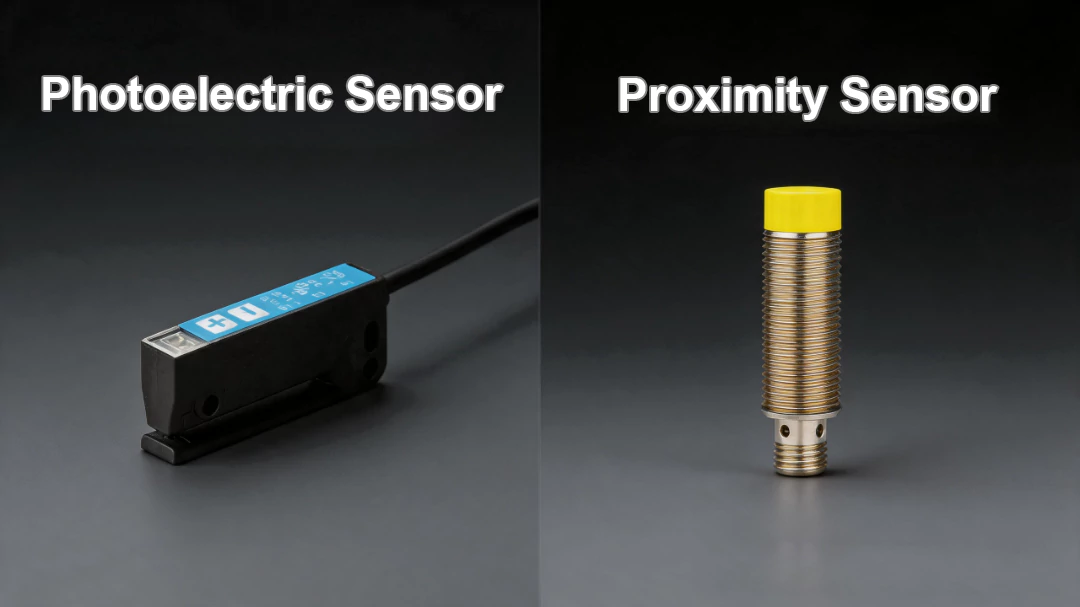
Photoelectric / Proximity sensors
Application scenarios: Presence detection, positioning & counting and missing bottle alarms for bottles and cartons on conveyor lines
Operating requirements: Fast response, EMC anti-interference performance, IP67/IP68 high protection rating, suitable for humid pipeline environments.
Advantages: Wash-resistant and stray-light resistant; stable detection under high-speed conveying to ensure continuous filling, inkjet marking and sorting operations.
IP68 Waterproof Photoelectric Proximity Sensor for Food Conveyor Line Counting Detection
Choose the Right Sensors to Strengthen Food Production Safety Measures
04

Balancing Hygiene Standards and Long-term Stable Operation

Food production calls for persistence in cleanliness and precision. Installed inside pipelines and tanks, sensors withstand frequent cleaning cycles, adhere to non-precipitation hygiene rules, and keenly capture all process data. Leveraging compact sensing technology to protect the safety and purity of food for consumption.
elesenson

ELEsenson is a company specializing in the research, development, production, and sales of sensor technology, located in Wenzhou, Zhejiang, China. Upholding the corporate philosophy of “striving for perfection and pursuing excellence,” the company is committed to providing precise and reliable sensor solutions to customers worldwide. The company boasts an experienced R&D team dedicated to the research and development of cutting-edge sensor technologies. ELEsenon not only prioritizes product quality but also places a strong emphasis on customer needs. Production strictly adheres to international quality management system standards, ensuring that every product meets or exceeds customer expectations. Moving forward, Zhejiang ELEsenon will continue to pursue technological innovation and uphold the principle of quality first, striving to become a global leader in the sensor industry and providing customers with superior products and attentive service.

Leave your message