High-Frequency Opening & Closing of High-Speed Train Doors: How Can Touch Switches Withstand Intense Working Conditions?
01.Working Condition Analysis
High-speed train doors perform repeated opening and closing cycles every day under complex operating environments. ELEsenson industrial touch switches are fully adapted to all working scenarios of rail vehicle doors, delivering dependable sensing support for safe and stable door operation.
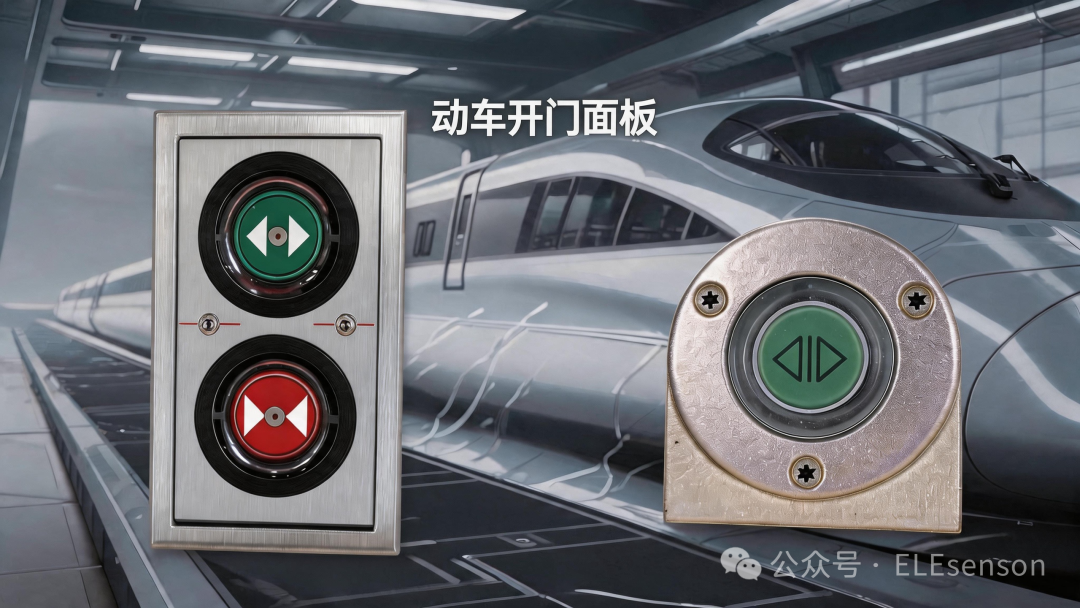
High-speed EMU exterior door:
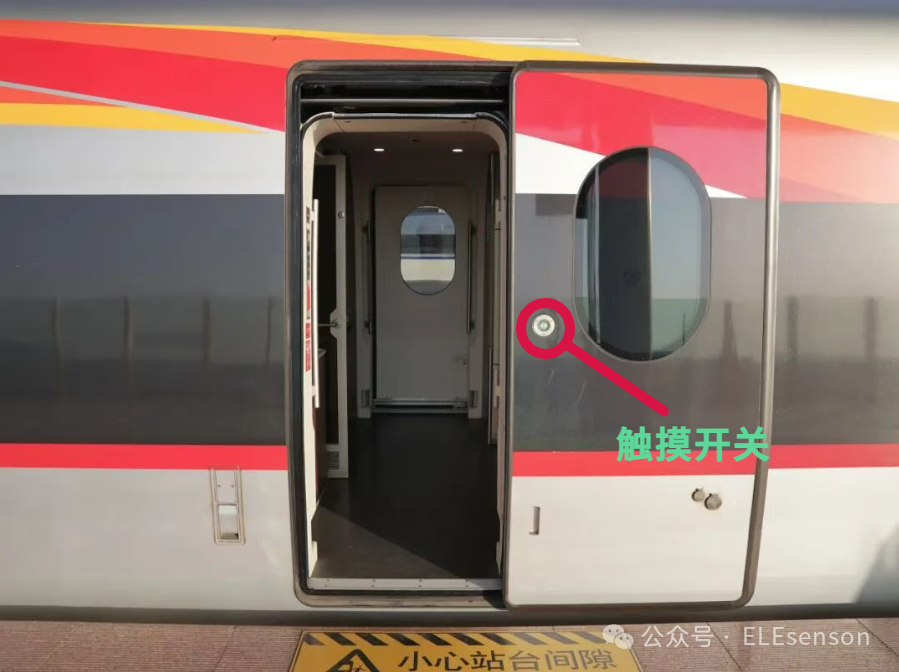
EMU exterior door
02.Technical Core
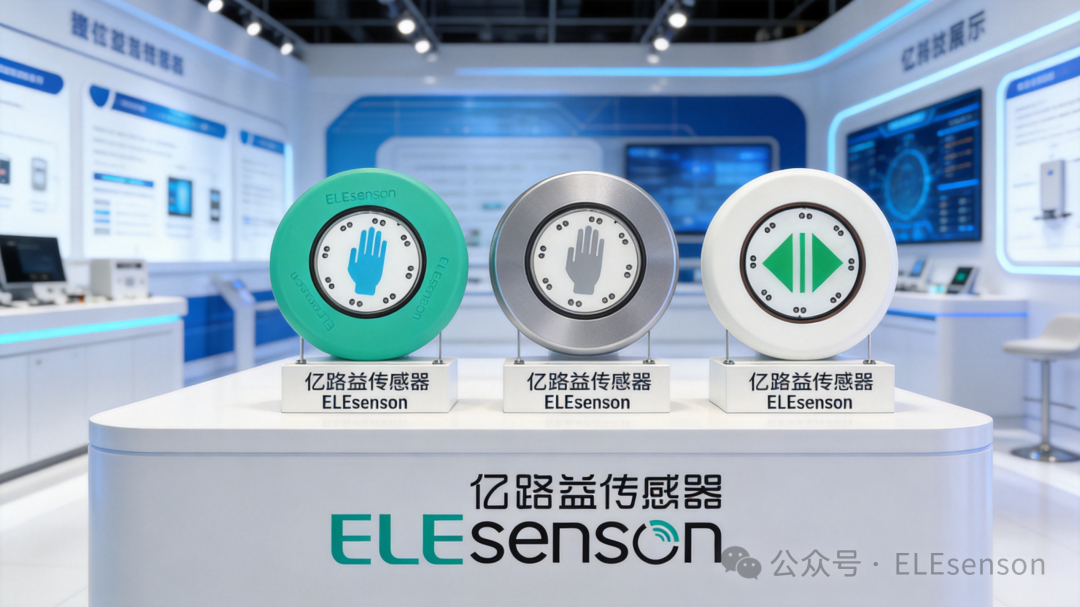
ELEsenson industrial-grade touch switches are customized for both interior and exterior door applications of high-speed trains. Adopting mechanical-contact-free intelligent touch technology, the switches are well suited to the harsh working conditions of rail transit and empower performance upgrades for train door control systems.
03.Exterior Application
Train exterior doors are exposed to the open air all year round, enduring wind, rain, sunlight, drastic temperature swings, strong vibration during travel and intense light interference, which set strict reliability requirements for components. Built with high-precision anti-interference touch chips, ELEsenson touch switches resist strong light, moisture, extreme cold and heat. Even with coated panels, they maintain accurate and fast response, preventing false triggering and missed touch failures.
04.Interior Application
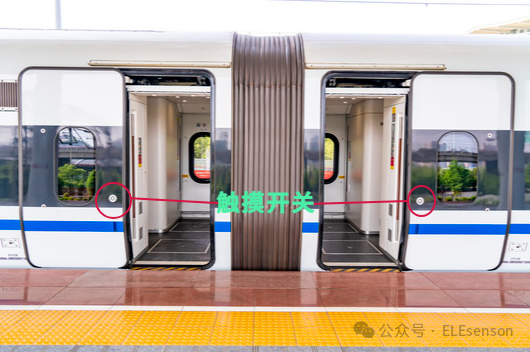
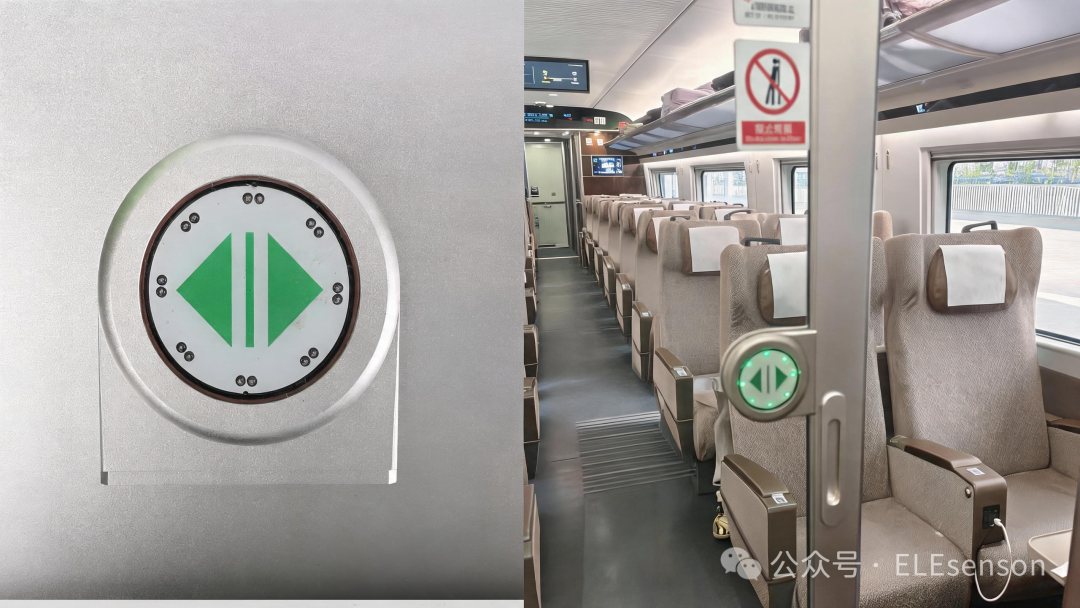
For carriage interior doors, quiet operation and simple control are prioritized. Removing traditional mechanical pressing structures, ELEsenson touch switches respond to a light fingertip tap. The whole operation runs silently without clattering noise, preserving a quiet and comfortable riding environment inside the carriage.
05.Conclusion
Featuring full-scenario compatibility, high stability, long service life and low maintenance cost, ELEsenson touch switches fully meet the requirements for high-speed train interior and exterior doors. With robust industrial quality, we safeguard rail transit operation safety and continuously improve passenger travel experience.
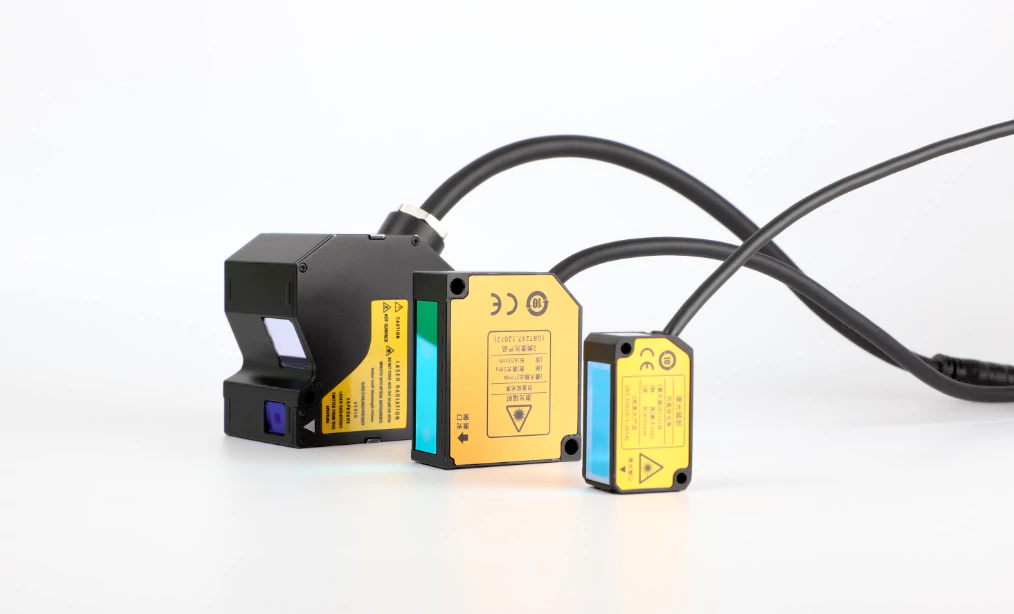
Laser Displacement Sensor | Non-Contact High-Precision Industrial Position Detection
With the continuous upgrading of intelligent manufacturing, non‑contact precision detection has become an indispensable core link for production line quality improvement and efficiency optimization. ELEsenson laser displacement sensors adopt mature laser triangulation principle to realize high‑stability collection of distance, displacement, thickness, and flatness data. As high‑performance industrial perception hardware, the sensors deliver reliable and repeatable measurement data for automated equipment, widely covering precision inspection, dimensional monitoring, and closed‑loop control scenarios in modern industrial production.
Non‑Contact & Damage‑Free Measurement
Adopting fully non‑contact laser detection mode, the sensor requires no physical contact with the workpiece surface. It completely avoids surface scratches, extrusion deformation, and contact detection errors. It is highly compatible with precision parts, flexible materials, and high‑gloss surfaces, supporting high‑speed dynamic online measurement with zero damage to workpieces.
High‑Precision & High‑Speed Dynamic Performance
Featuring stable micron‑level measurement accuracy, the sensor accurately captures tiny changes in height difference, thickness, flatness, deformation, and gaps. With ultra‑fast sampling response speed, it perfectly adapts to high‑frequency and high‑speed continuous operation of automated production lines, maintaining stable and consistent data output even in dynamic motion scenarios.
Strong Industrial Environmental Adaptability
Equipped with advanced anti‑ambient‑light interference algorithms, the sensor effectively resists complex light changes in workshop environments. The compact industrial‑grade structure tolerates industrial dust and slight oil pollution, ensuring long‑term stable operation. Supporting multiple standard signal outputs, it features simple installation and flexible debugging, enabling fast integration with various standard and non‑standard automated equipment.
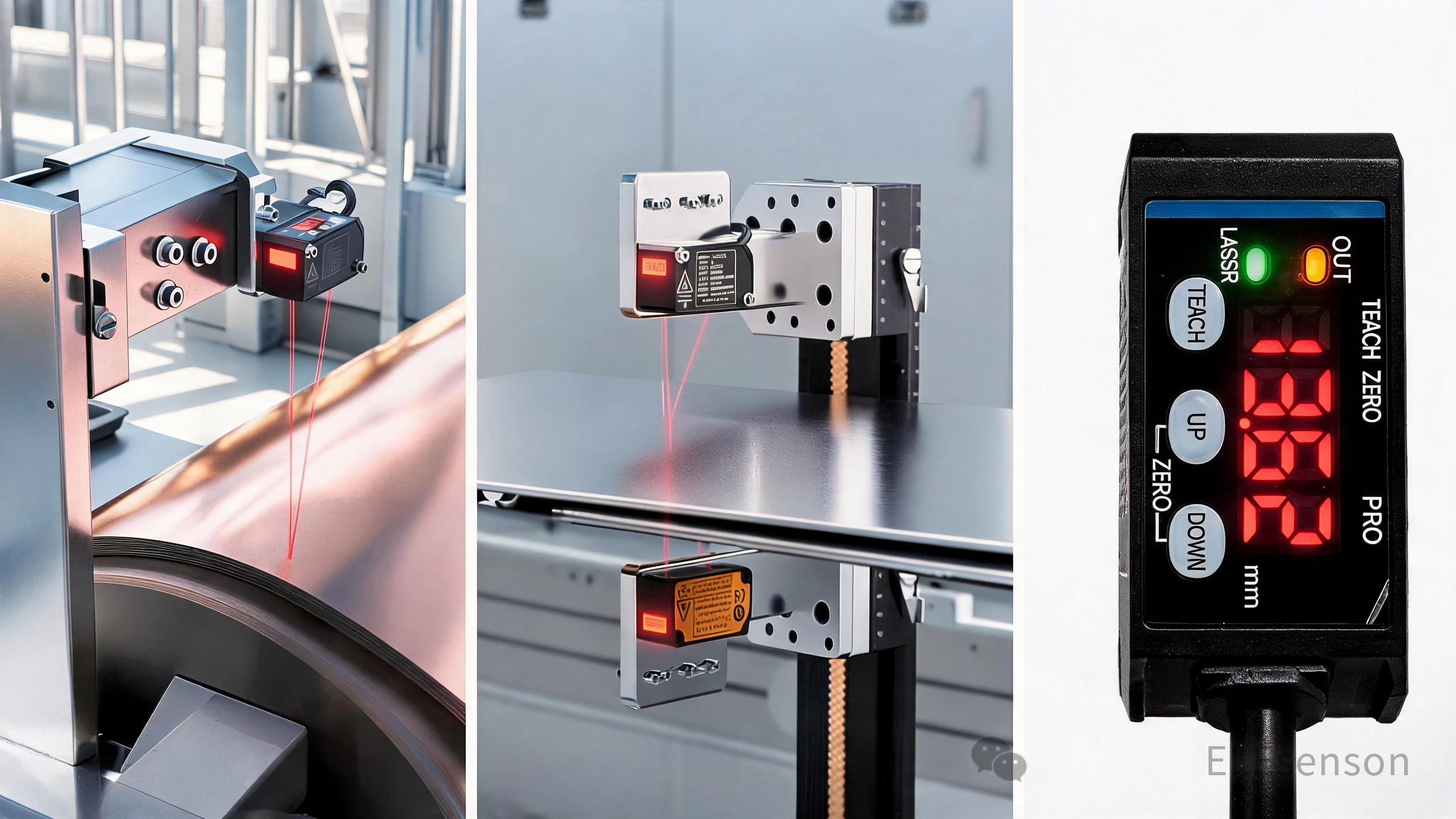
Automated & Custom Non‑Standard Equipment
Widely used for workpiece positioning, height difference detection, and gap measurement on automated production lines. It assists robotic arms in precise picking and assembly, monitors real‑time fixture deformation, and provides accurate data support for equipment closed‑loop control, effectively improving assembly accuracy and production consistency.
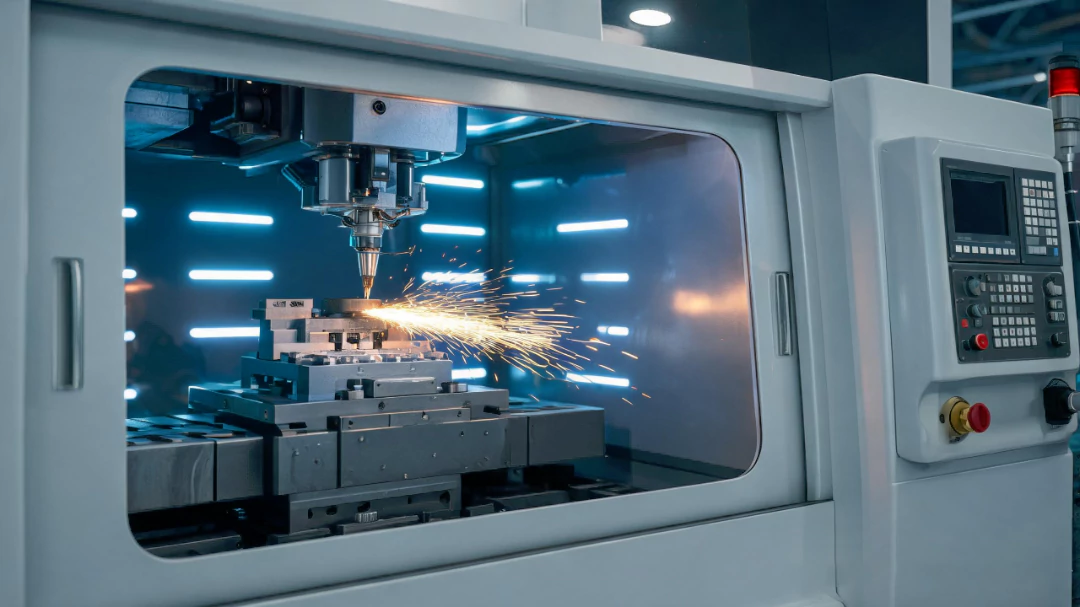
3C & Precision Component Manufacturing
Ideal for online quality inspection of electronic components, plastic parts, and hardware micro‑parts. It precisely detects product thickness, flatness, warpage deformation, and surface defects. It also monitors thickness fluctuation of flexible materials such as films and thin sheets, ensuring strict quality control for high‑precision miniature products.
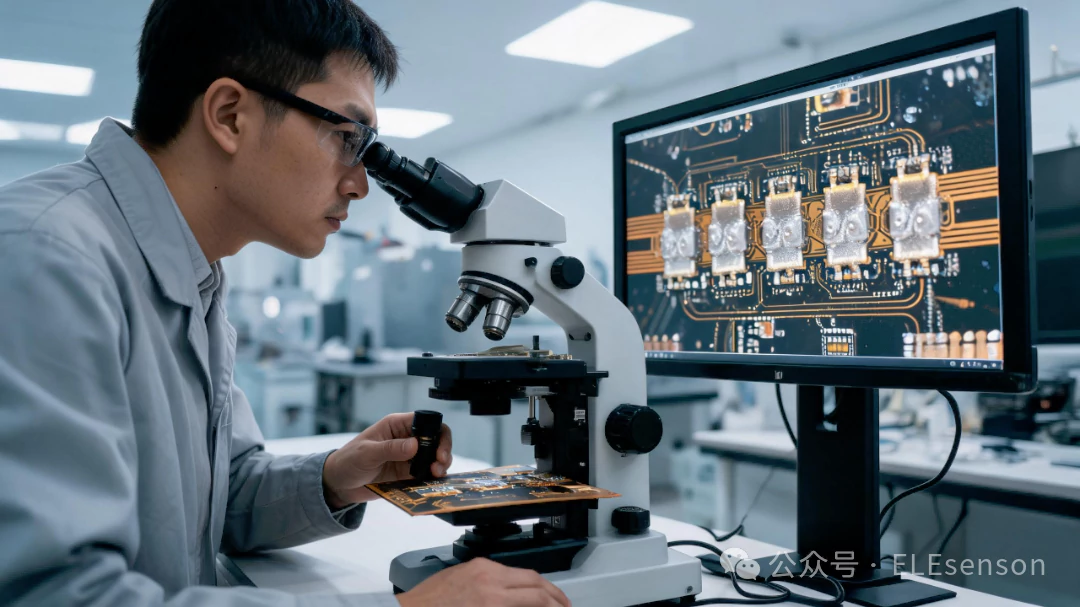
Automotive Parts Industry
Applied for dimensional verification, flatness detection, and assembly gap calibration of automotive components. It dynamically monitors machining deformation and operational vibration displacement, providing reliable data support for product quality inspection, process optimization, and equipment operational condition monitoring in automotive manufacturing.
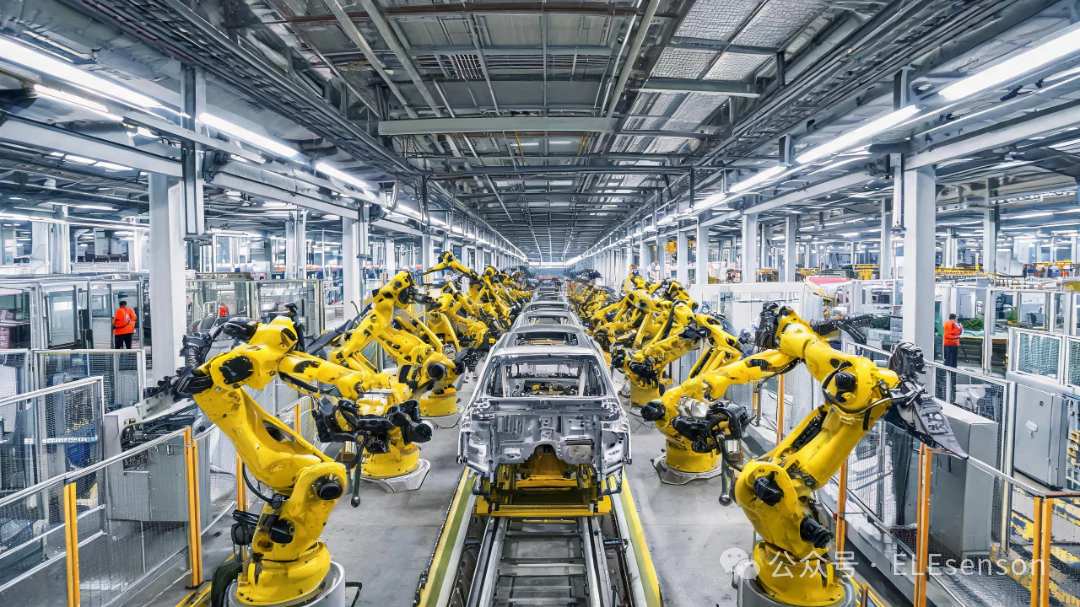
Metal Processing Industry
Suitable for thickness, flatness, and contour height detection of metal plates and profiles. It captures real‑time workpiece displacement changes during stamping, cutting, grinding, and other processing procedures, helping enterprises optimize processing parameters, improve machining accuracy, and increase finished product yield.
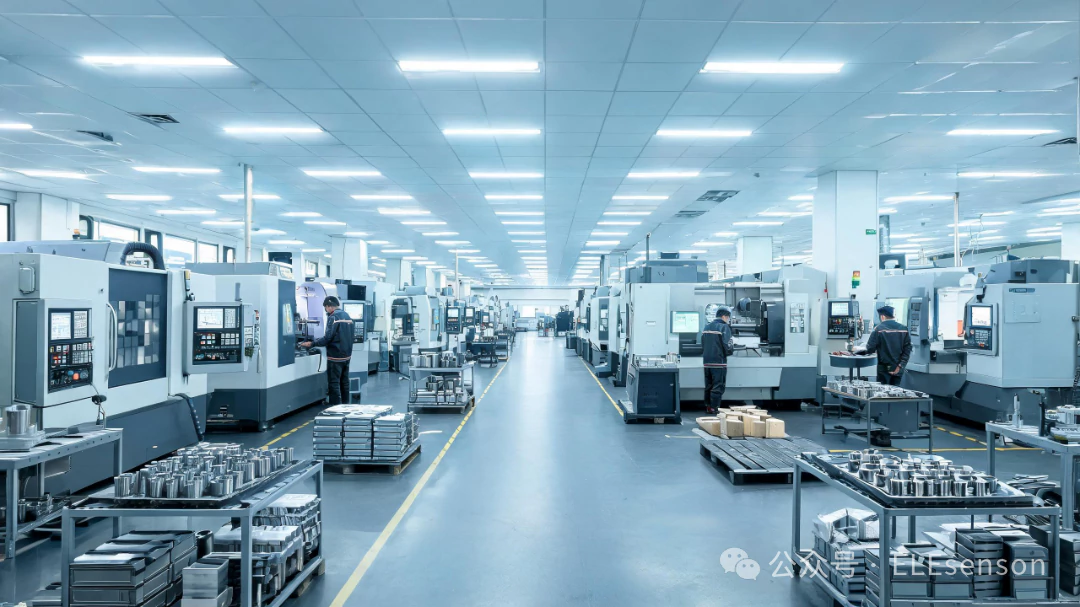
Logistics & Warehouse Automation
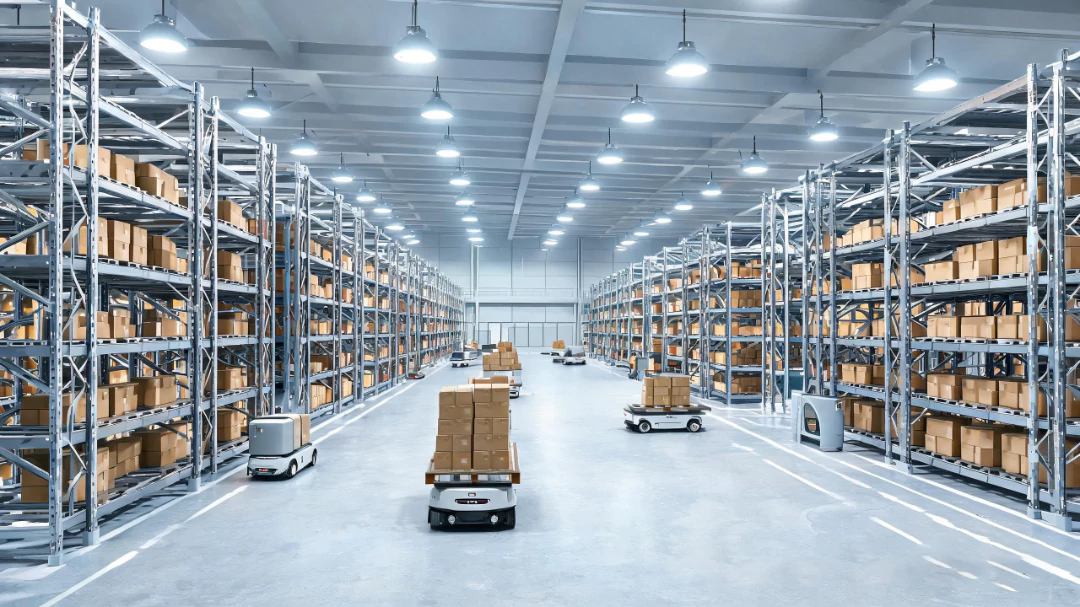
Easily integrated into intelligent warehousing and sorting equipment to realize cargo height detection, goods position positioning, and stacking state identification. It provides accurate spatial perception data for automated sorting and storage systems, ensuring efficient and stable operation of smart logistics scenarios.
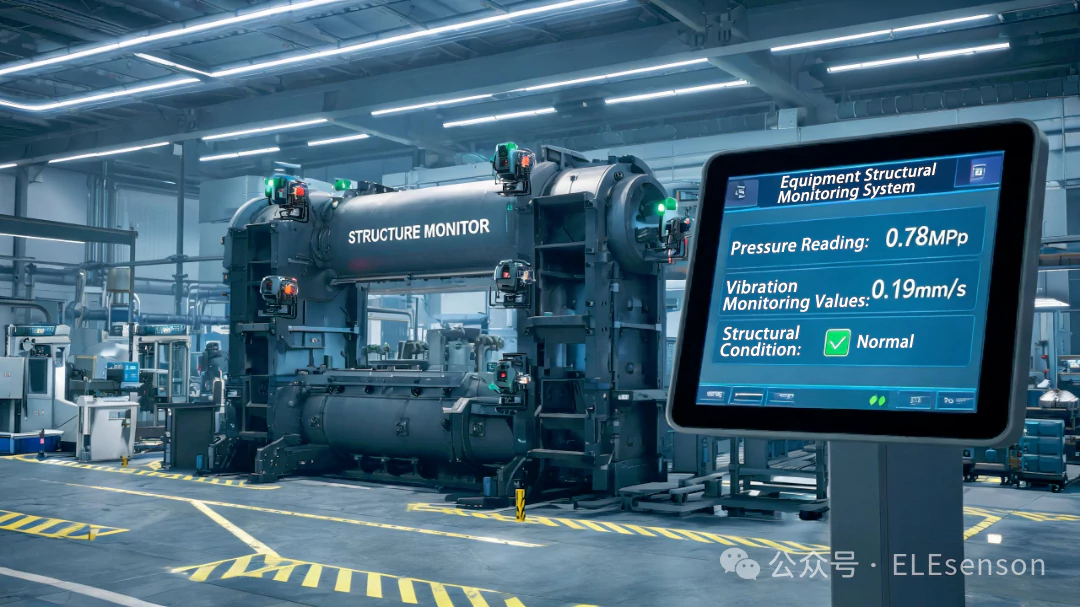
Structural Monitoring & New Material Testing
Capable of long‑term online monitoring of industrial equipment structural deformation and vibration amplitude, assisting equipment predictive maintenance and hidden danger troubleshooting. It also applies to deformation testing and performance analysis of new materials in laboratories, providing precise and repeatable measurement data for material research and process improvement.
No manual measurement required — precise laser perception covers all detection needs. ELEsenson laser displacement sensors turn tiny distance changes into controllable, visible, and accurate data. With reliable industrial performance and all‑scenario adaptability, they bring stable precision and efficient intelligent detection to modern manufacturing.

Sweep Frequency Level Sensor for Jam Production | Food-Grade Detection
01.Jam Production Pain Points | Why Ordinary Level Sensors Fail
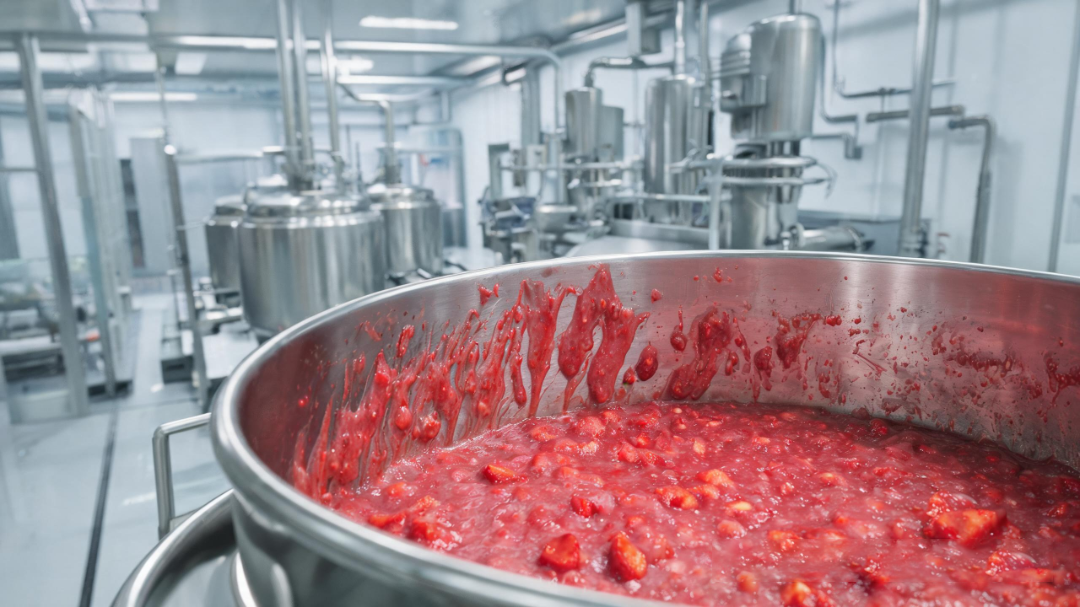
Jam production features highly viscous raw materials mixed with dense fruit pulp, which easily adheres to equipment surfaces. During stirring, boiling, and automated filling processes, materials frequently produce foam, steam, and turbulent liquid fluctuations. Conventional standard level sensors are unable to distinguish between residue buildup, foam interference, and real liquid level changes, resulting in frequent false alarms, signal instability, and inaccurate level feedback. These defects easily cause production interruptions, material overflow, equipment idling, and unstable batch quality, becoming a key bottleneck restricting automated and continuous jam production.
02.Working Principle | Intelligent RF Sweep Frequency Detection Technology
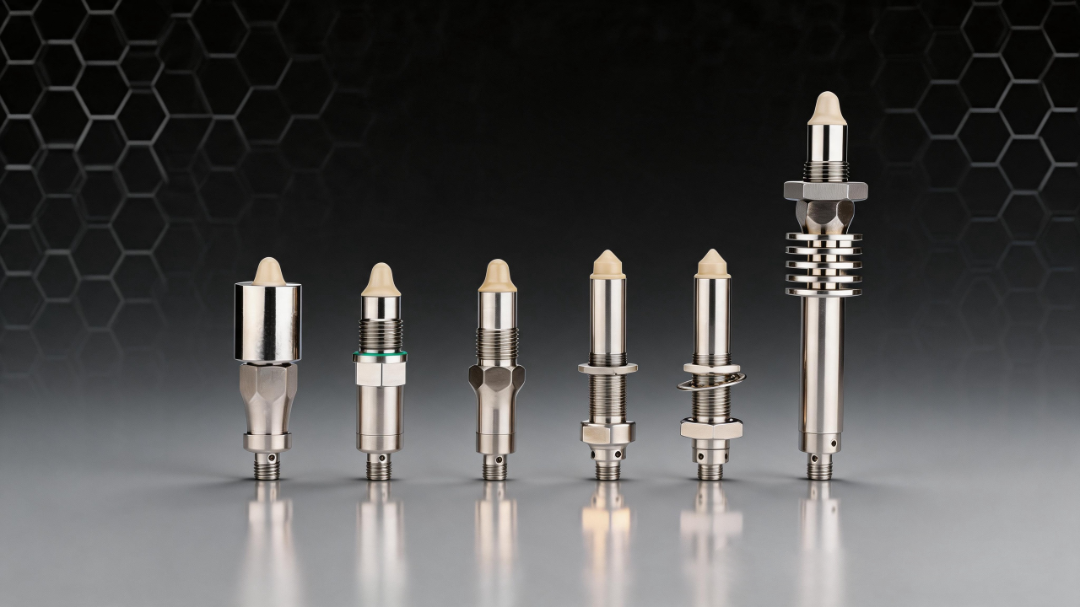
ELEsenson sweep frequency level sensor adopts advanced intelligent RF sweep frequency detection technology. It emits high-frequency variable sweep signals to monitor real-time changes in medium impedance and admittance. Equipped with self-developed intelligent algorithm logic, the sensor accurately identifies and distinguishes air, surface foam, probe residue, and real jam medium. It automatically filters various interference signals caused by viscosity, adhesion, and foaming, outputs stable and true level data, and supports real-time monitoring and full-process automatic control for jam production lines.
03.Core Advantages of Food-Grade Sweep Frequency Level Sensor
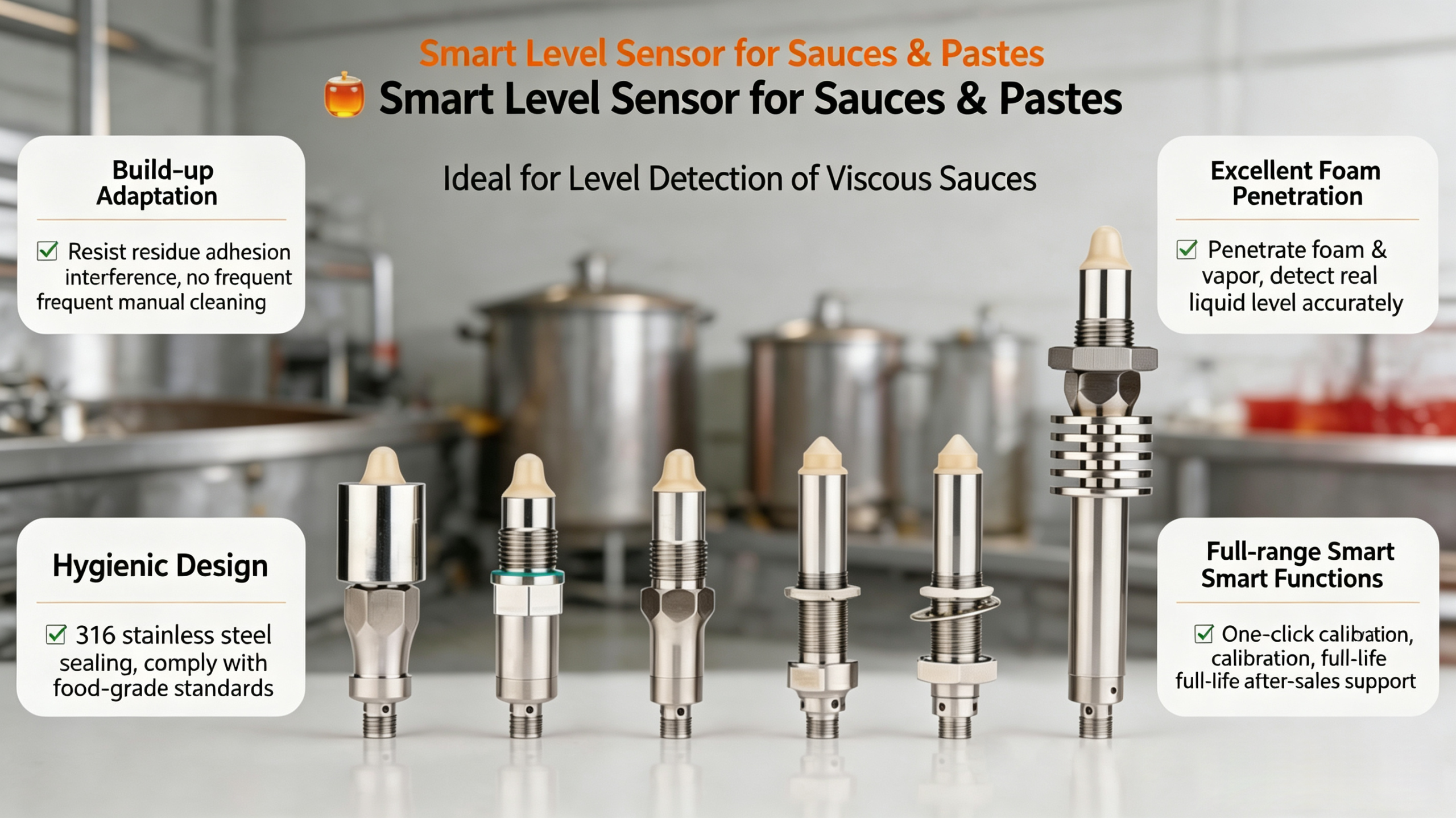
3.1 Adaptive Residue Suppression, Stable Detection Without False Alarms
Built with an adaptive residue suppression algorithm, the sensor effectively filters interference caused by thin sauce layers and pulp residue adhering to the probe surface. It only responds to real material level fluctuations and ignores static adhesion residue. It eliminates frequent manual cleaning work, completely solves the industry pain point of false alarms caused by viscous jam buildup, and ensures long-term stable and drift-free detection.
3.2 Strong Foam Penetration Capability, True & Accurate Liquid Level
Aiming at massive foam and steam generated during high-speed stirring and boiling of jam raw materials, the sensor features powerful foam penetration performance. It effectively ignores liquid surface turbulence and floating foam interference, locks the real medium liquid level, eliminates foam-induced false level alarms, and ensures continuous and stable production rhythm without frequent equipment shutdown and adjustment.
3.3 Food-Grade Sterile Structure, Fully Compliant with Food Safety Standards
The whole machine adopts integrated sealed 316 stainless steel structure, with no detection dead corners and no residual gaps. It supports CIP online cleaning and high-temperature sterilization, features excellent corrosion resistance and no medium contamination. It fully meets food-grade production specifications and hygienic processing requirements, ensuring safe and standardized jam food production.
3.4 Full-Medium Compatibility, Wide Adaptability for Jam Production
The sensor is universally compatible with all types of jam media, adapting to different viscosity, pulp content, and sugar concentration conditions. It supports high/low level alarm, overflow prevention, and dry-run protection functions. It can be perfectly matched with core production equipment such as stirring reaction kettles, finished product storage tanks, and filling hoppers, covering the whole-process monitoring needs of jam production.
3.5 Intelligent Debugging & Zero-Maintenance Stable Operation
Supporting one-click intelligent calibration, the equipment realizes simple and fast on-site commissioning without professional operation. With no mechanical moving parts, it is resistant to vibration and electromagnetic interference, featuring ultra-low failure rate and long-term stable operation. It effectively reduces daily operation and maintenance workload and labor costs, delivering excellent long-term cost performance for food factories.
3.6 Full-Cycle After-Sales Service, Worry-Free Production Protection
In response to the 24-hour continuous operation demand of food production lines, ELEsenson provides a complete professional after-sales maintenance system, including equipment installation and commissioning guidance, regular operational inspections, rapid malfunction response, warranty repair services, and lifelong technical consultation. Targeted solutions are provided for common monitoring problems in jam production, effectively avoiding production line shutdown risks caused by equipment failures and insufficient maintenance, and fully safeguarding long-term stable automated production.
04.Core Application Scenarios in Jam Production Lines
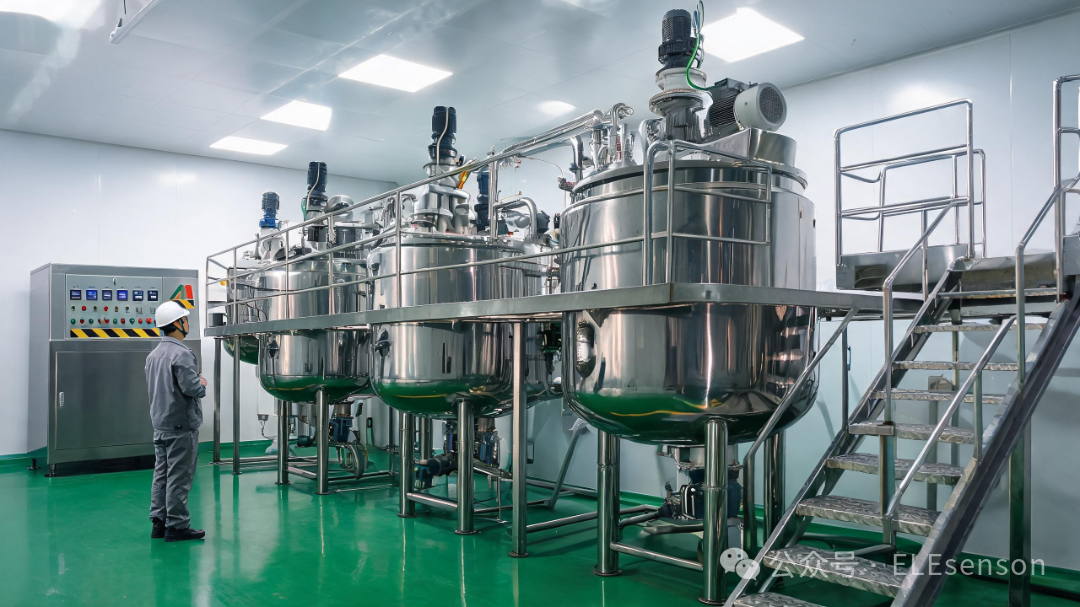
4.1 Stirring Reaction Kettle
Realize high and low material level monitoring during jam stirring and boiling. The low-level protection function prevents equipment dry running and empty stirring; the high-level alarm avoids material overflow waste. Adapted to dynamic stirring and turbulent working conditions, it maintains stable level detection and ensures consistent cooking quality in each batch.
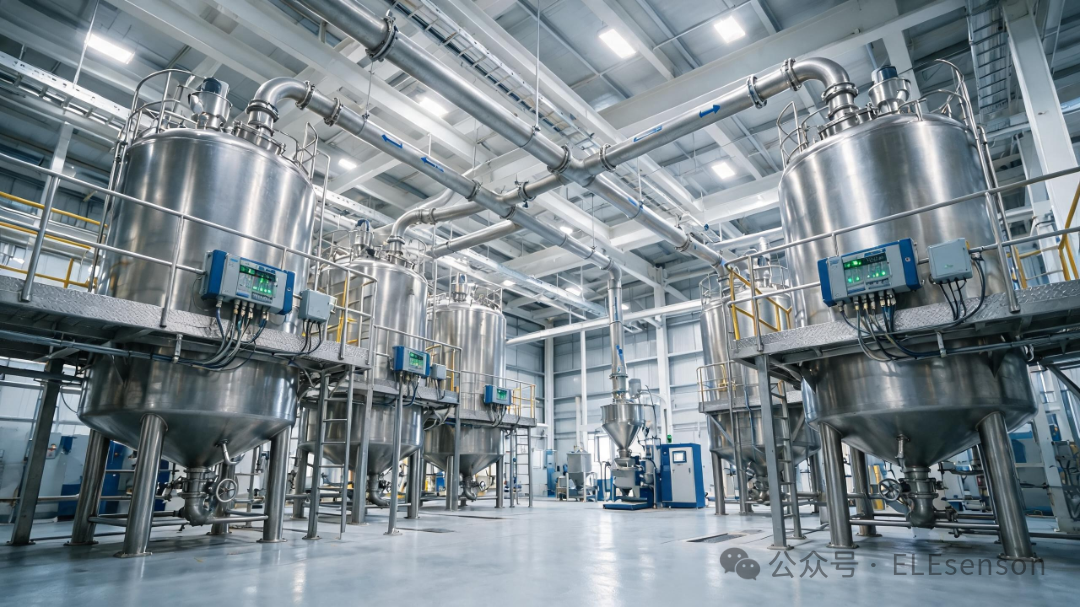
4.2 Finished Product Storage Tank
Monitor the real-time residual material level of finished jam storage tanks. Link with the conveying system to realize automatic material replenishment and automatic shutdown control. It effectively prevents production line shutdown caused by material shortage and material overflow accidents, realizing intelligent and unmanned management of finished product storage links.

4.3 Filling Station Hopper
Accurately monitor the material level of jam in the filling hopper, synchronize with the automatic filling beat, and solve production abnormalities such as insufficient material supply, filling interruption, and liquid spillage. It stabilizes the filling production process, reduces material waste and defective products, and effectively improves overall production yield and automation efficiency.
05.Product Conclusion
Penetrating foam interference and shielding material adhesion noise, ELEsenson sweep frequency level sensor accurately captures the real material level changes inside the tank. It converts invisible and complex production working conditions into precise and controllable data, stabilizes every link of jam boiling, storage and filling with professional food-grade detection technology, strictly controls production quality, and ensures every batch of fresh jam is delivered with stable quality and reliable safety.