

Withstand Extreme Heat: Reliable Level Measurement for High-Temperature Processes
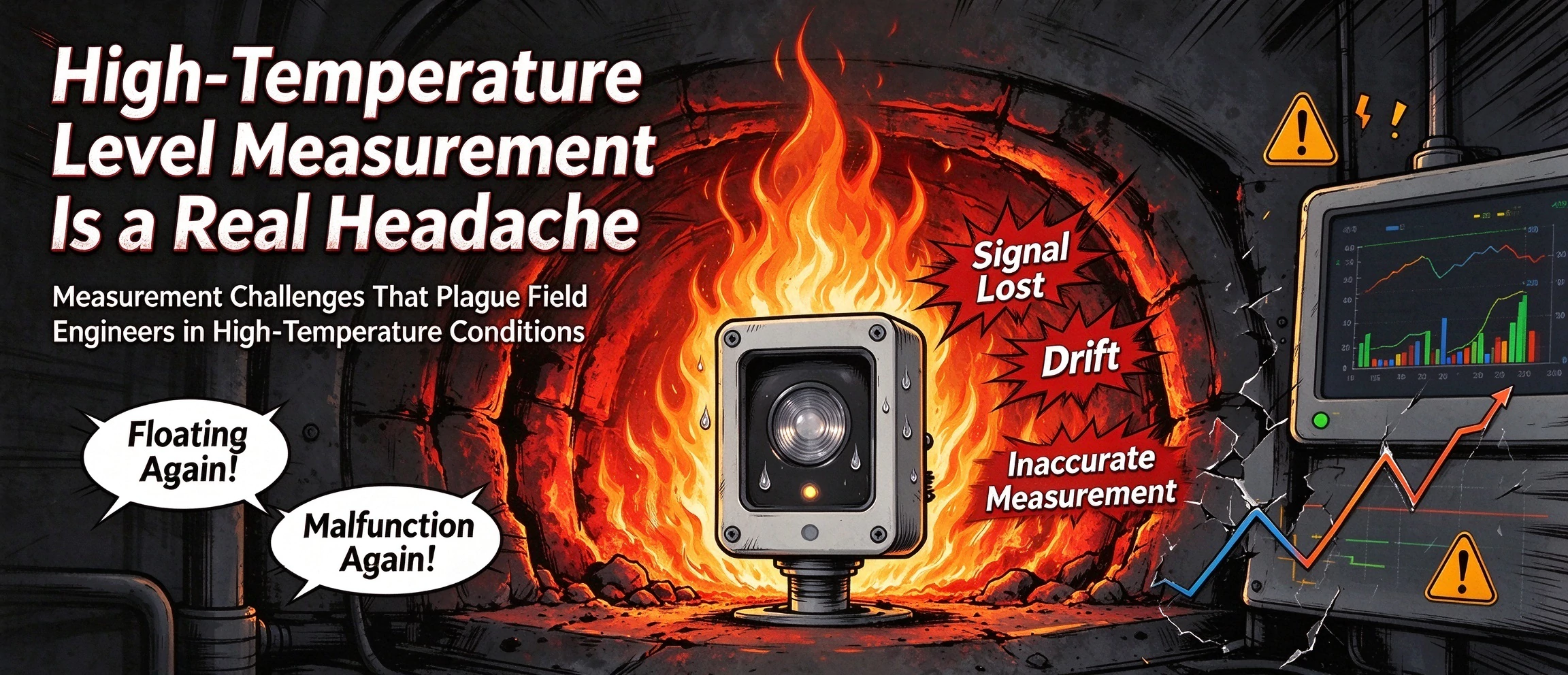
High-temperature applications are among the trickiest scenarios for industrial level measurement. At several hundred degrees Celsius, conventional sensors suffer signal drift, malfunction and short service life. Operators often rely on manual sampling or empirical estimation — inaccurate and risky.
This article introduces ELEsenson high-temperature swept-frequency admittance level sensor, engineered for high-heat environments. It reliably operates from 80℃ up to over 300℃ and serves 8 major industrial sectors.
① Severe temperature drift
Standard sensors are sensitive to heat. Rising temperatures alter dielectric properties and circuit parameters, causing reading deviation. Identical material levels may show measurements differing by dozens of centimeters between ambient temperature and 200℃. Operators have to manually compensate readings based on experience.
② Short service lifespan
Most ordinary level transmitters are rated below 60~80℃. Sustained high heat accelerates component ageing and seal failure. Frequent replacements raise procurement costs and force costly production shutdowns.
③ Combined harsh working conditions
High temperature rarely occurs alone. Field conditions often come with dust, steam, corrosion, material build-up and pressure. A qualified sensor must deliver comprehensive resistance rather than heat resistance only.
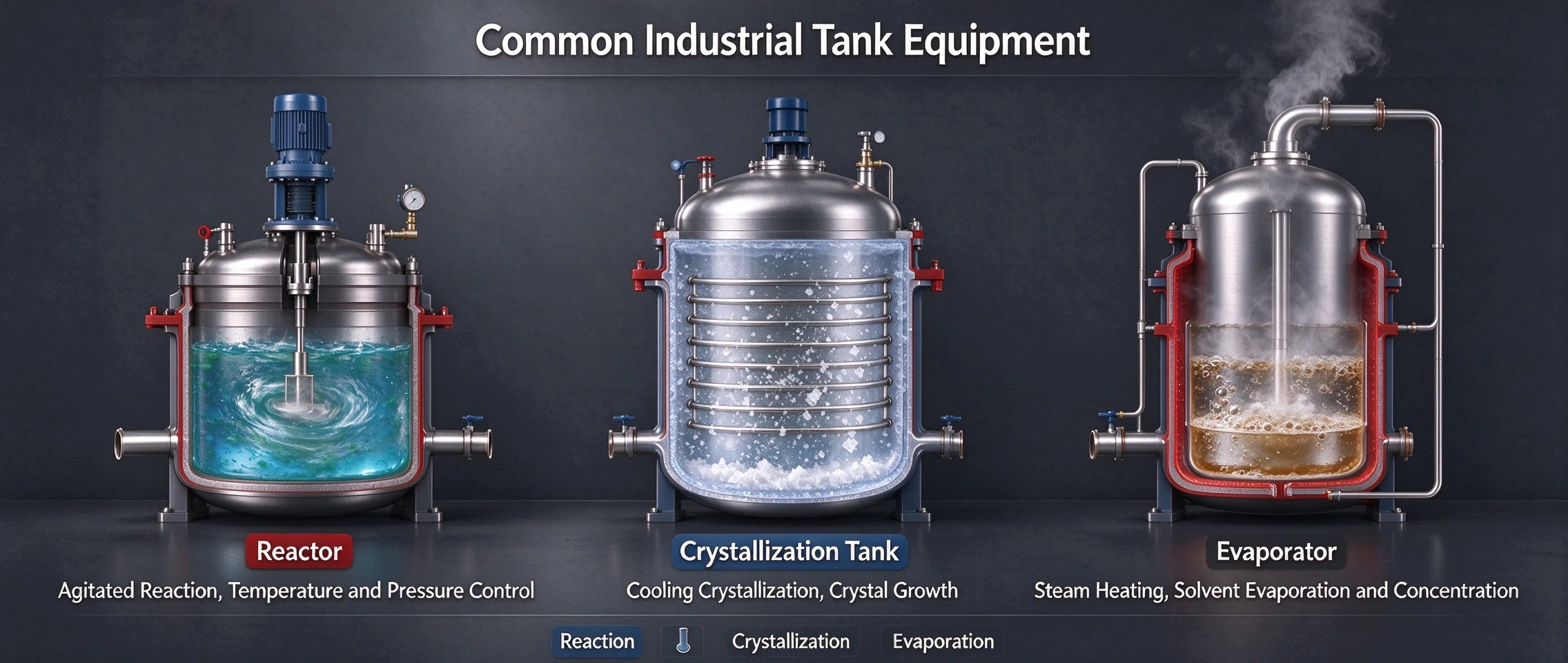
1. Ultra-low temperature drift, consistent readings for hot and cold vessels
Three layers of design suppress thermal drift:
- High-grade high-temperature components and probe materials for stable physical and electrical performance.
- Built-in temperature compensation circuitry that monitors ambient temperature and calibrates parameters in real time.
- Proprietary algorithm compensation: tracks resonance peak shifts caused by temperature changes and corrects output automatically.
2. Swept-frequency principle delivers strong anti-interference performance
Heat resistance is only the baseline. The core advantage lies in its capability against material build-up, foam, dust and corrosion. Instead of measuring a single fixed frequency point, swept-frequency technology scans across the frequency spectrum to locate resonance peaks:
- Distinguishes residual build-up from real material by different dielectric signatures
- Filters false signals triggered by foam and dust
- Automatically adapts to material composition changes without re-calibration
It maintains accurate measurement under combined interference of high temperature, coating accumulation, dust and variable media.
3. Flexible mounting: top, side and bottom installation
High-temperature vessels are usually densely fitted with pipes and instruments with limited reserved ports. This sensor supports top, side and bottom mounting to fit new and existing tanks without vessel modification.
4. Multiple wetted material options for corrosion resistance
Corrosion gets intensified under high heat. Material selection can be customized:
- 304 / 316L stainless steel: cost-effective for general applications
- Food-grade stainless steel: food & pharma processes complying with sanitary requirements
- Special anti-corrosion alloys: custom options for aggressive media
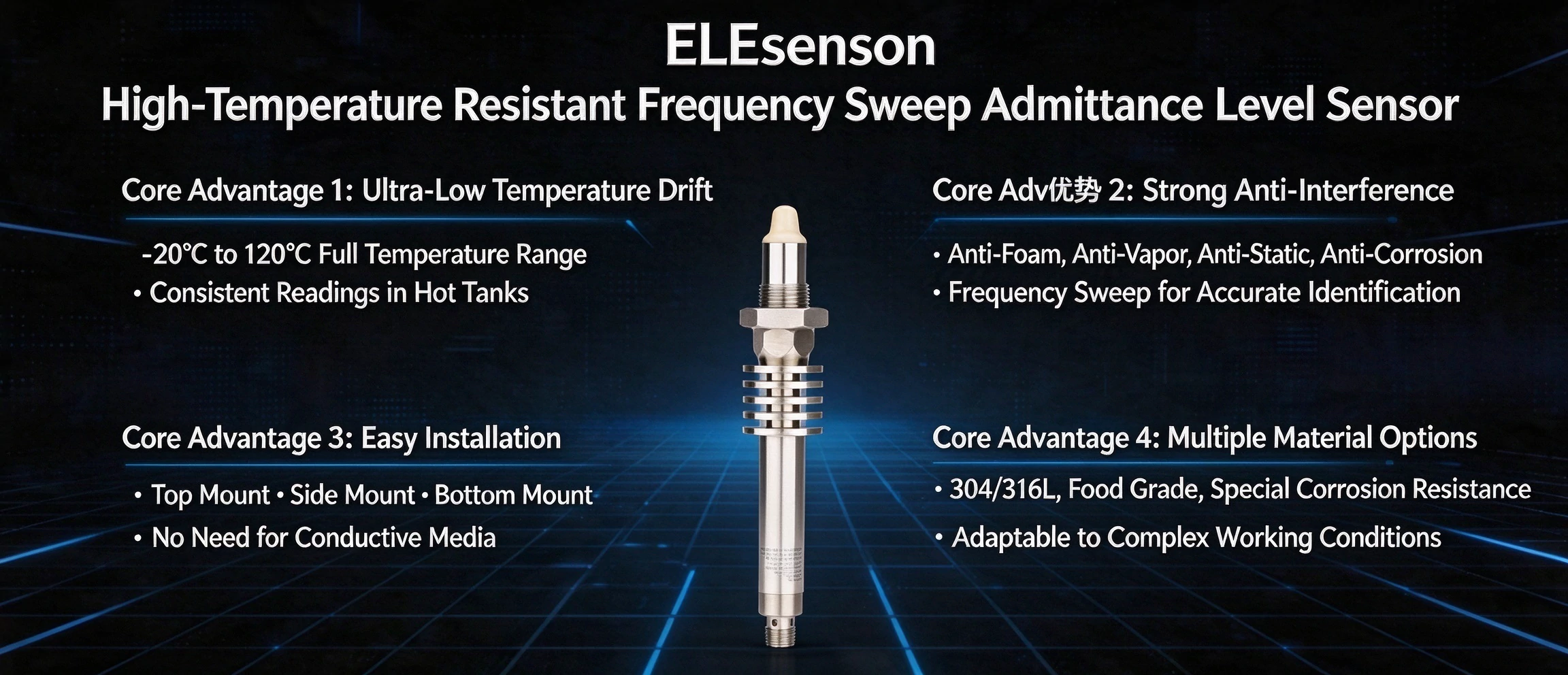
🍺 Food & Beverage | 80~130℃
Mash tun, sterilizer tank, jam cooker, UHT system. Sanitary grade available, compatible with CIP cleaning, anti-foam and anti-coating for full food production lines.
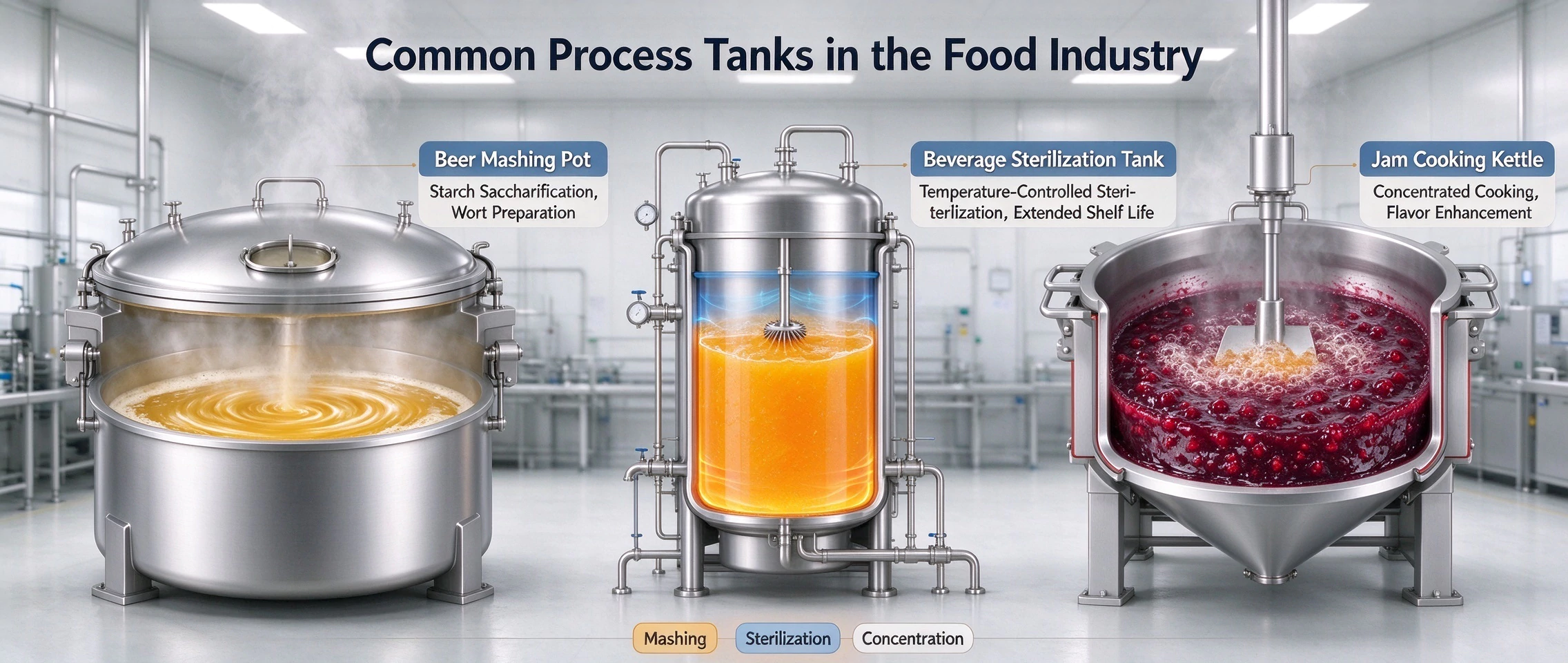
⚗️ Chemical & Pharmaceutical | 100~180℃
Reactor, crystallizer, evaporator. Process media are complex and corrosive. Stable readings guarantee consistent reaction control and product quality. Swept-frequency design tolerates variable composition, foam and probe build-up.
Plastics & Rubber Injection barrel, vulcanization tank. Handles pellets, melt and powder. No re-calibration needed for material changeover, stable long-run operation without thermal drift.
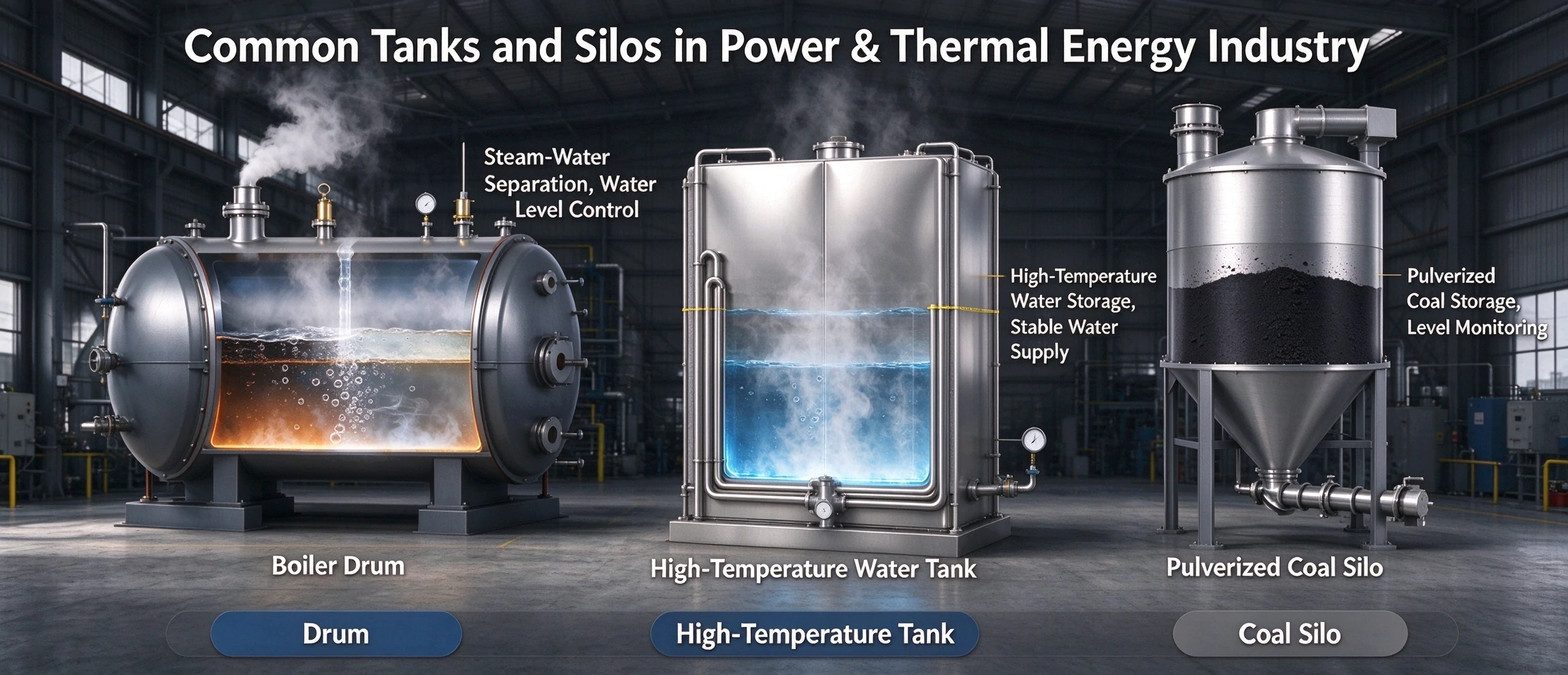
⚡ Power & Energy | 150~250℃
Boiler drum, hot water tank, coal silo. Level accuracy is critical for operational safety. Excellent long-term stability prevents unexpected shutdowns.
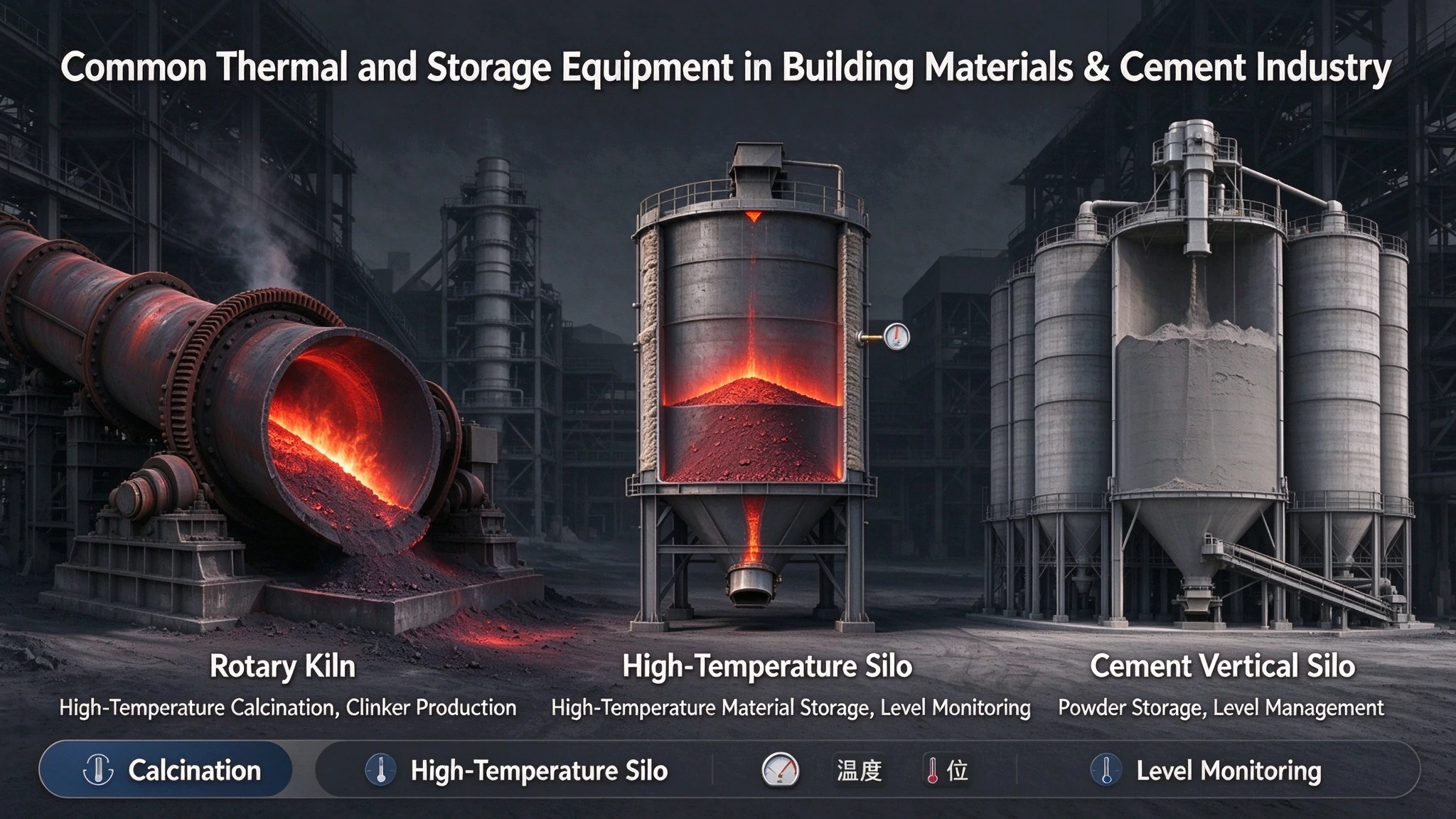
🏭 Building Materials & Cement | 100~200℃
Rotary kiln, high-temperature silo. Combines heat resistance, dust resistance and tolerance for uneven material surface. Minimizes maintenance work for cement plants.
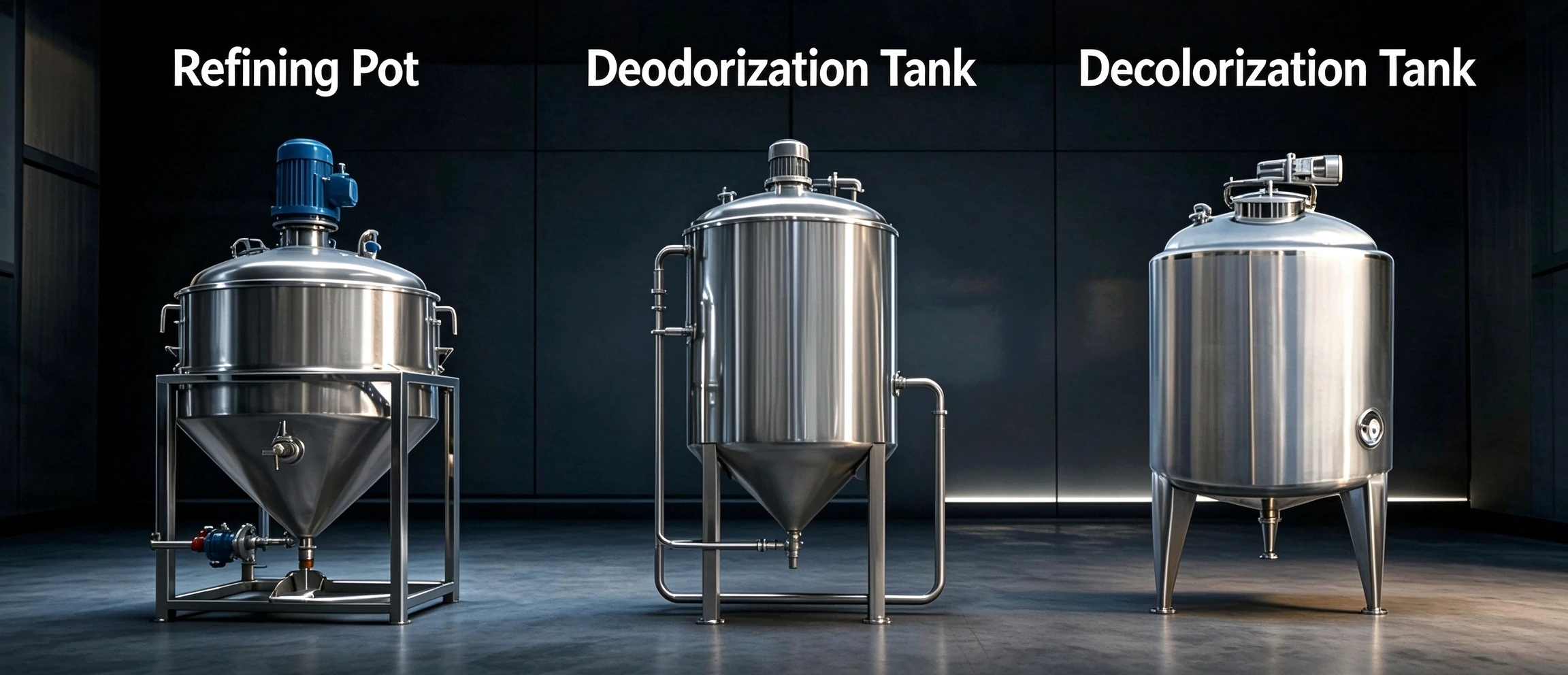
🛢️ Edible Oil Processing | 100~180℃
Refining tank, deodorizing tank, bleaching tank. Heavy scaling and coating are common. The algorithm separates hardened residue from real liquid level and cuts frequent disassembly & cleaning.
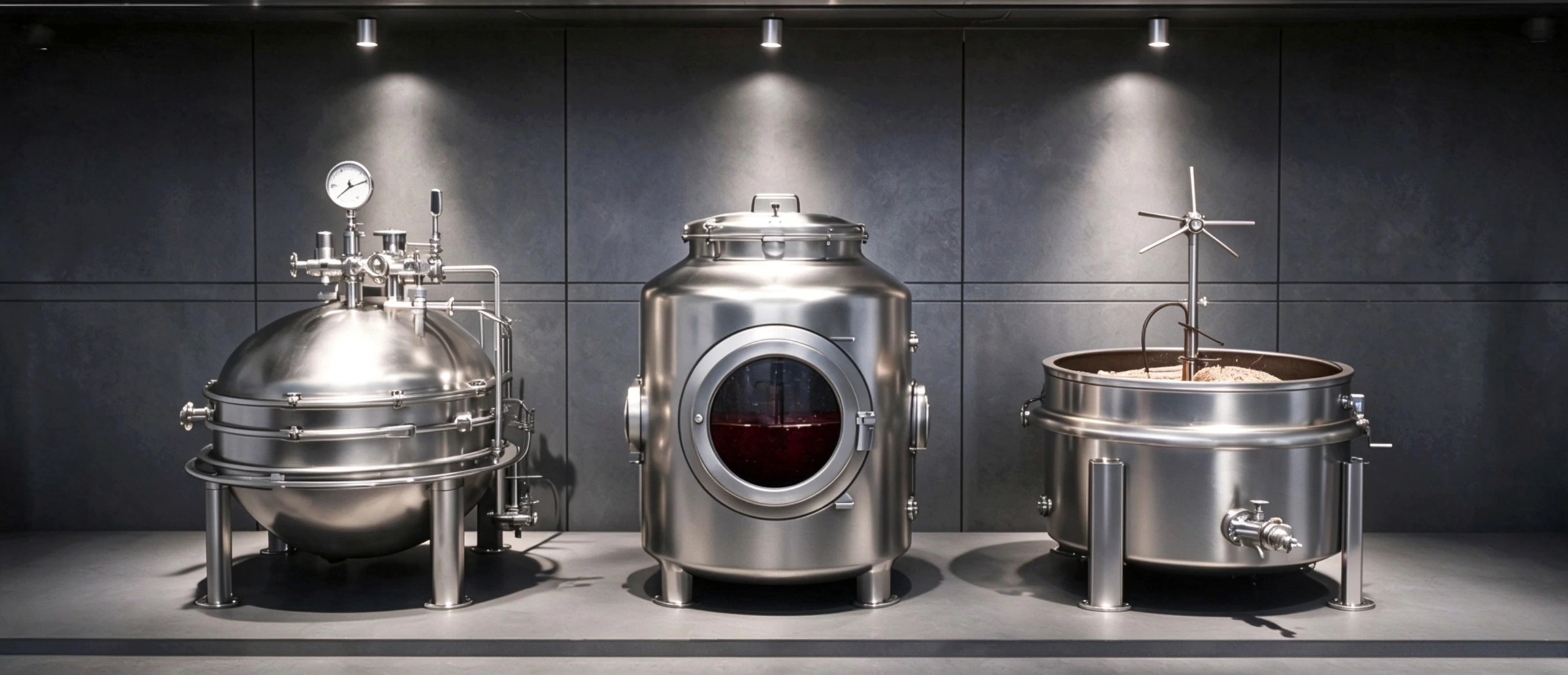
🧻 Paper & Textile | 80~150℃
Digester, dye vat, pulp chest. Viscous slurry tends to stick to walls. Performance is unaffected by media colour or transparency, an edge over ultrasonic and optical sensors.
Many buyers only check temperature rating when sourcing high-temperature level transmitters. Yet pure heat resistance is not enough. The sensor must remain accurate, interference-resistant and durable under heat.
ELEsenson high-temperature swept-frequency admittance level sensor is not a basic heat-resistant variant. It is a complete solution built from the ground up — principle, hardware and algorithm — for complex high-temperature industrial conditions.

elesenson
ELEsenson is a company specializing in the research, development, production, and sales of sensor technology, located in Wenzhou, Zhejiang, China. Upholding the corporate philosophy of “striving for perfection and pursuing excellence,” the company is committed to providing precise and reliable sensor solutions to customers worldwide. The company boasts an experienced R&D team dedicated to the research and development of cutting-edge sensor technologies. ELEsenon not only prioritizes product quality but also places a strong emphasis on customer needs. Production strictly adheres to international quality management system standards, ensuring that every product meets or exceeds customer expectations. Moving forward, Zhejiang ELEsenon will continue to pursue technological innovation and uphold the principle of quality first, striving to become a global leader in the sensor industry and providing customers with superior products and attentive service.