


Capacitive Touch Switch with Vibration & Buzzer Audio Feedback
01.Upgrade Interaction Logic | From Visual Judgment to Touch & Audio Perception
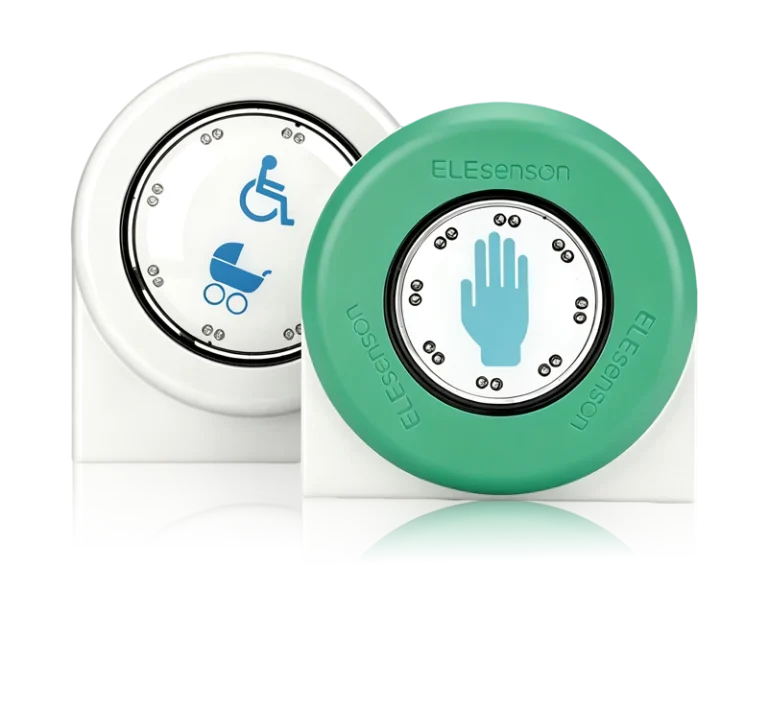
ELEsenson newly upgraded capacitive touch switch integrates dual vibration and buzzer feedback functions based on mature industrial capacitive touch technology. Breaking the single visual interaction mode of traditional switches, it combines haptic vibration feedback and audio buzzer feedback to realize multi-dimensional operational confirmation. Balancing industrial-grade stability and humanized interactive design, this product is widely applicable to rail transit equipment, passenger transport facilities, intelligent automation equipment and other public scenarios.
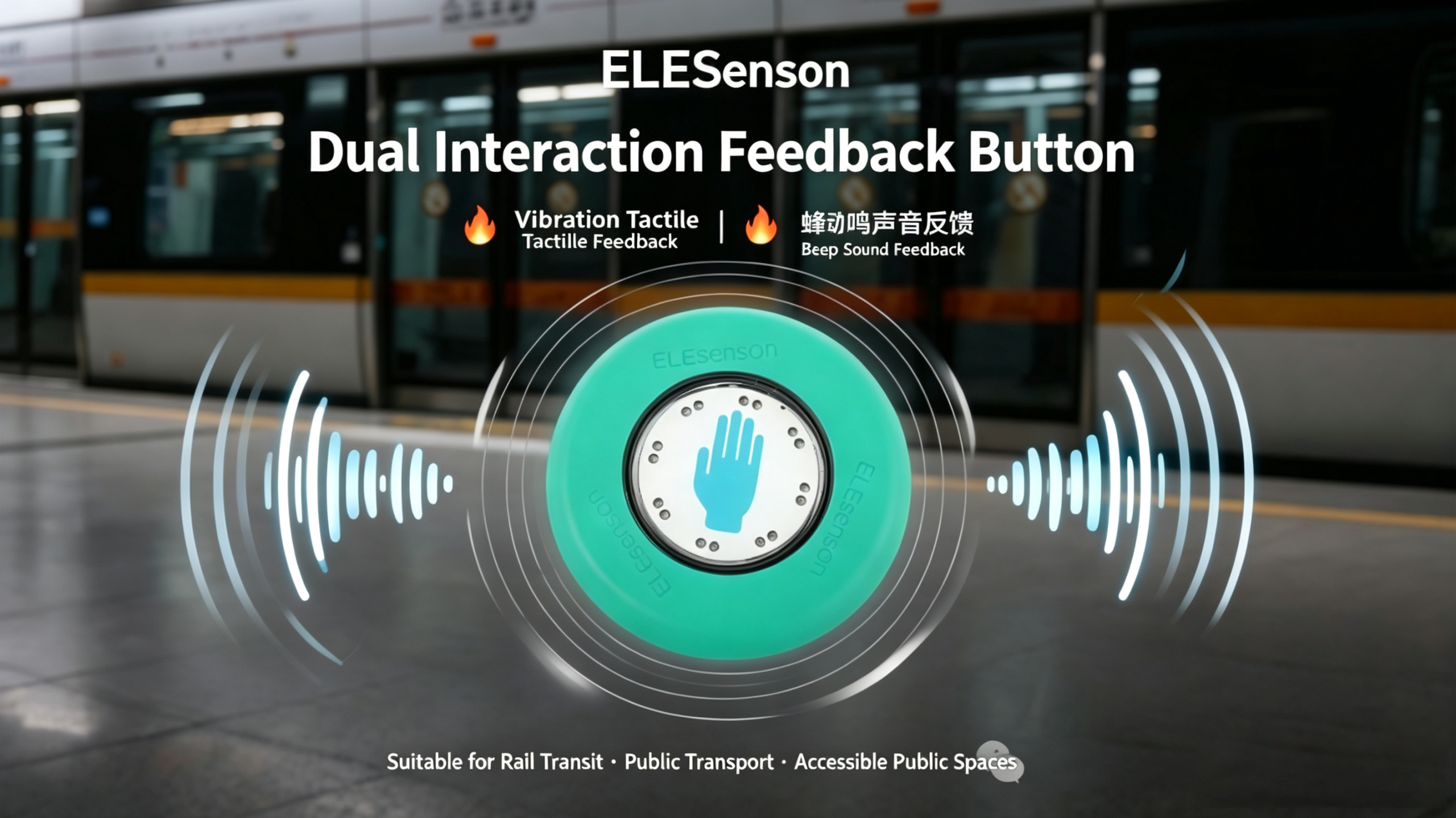
02.Core Upgraded Advantages
Dual Feedback Design, Clear Operational Confirmation
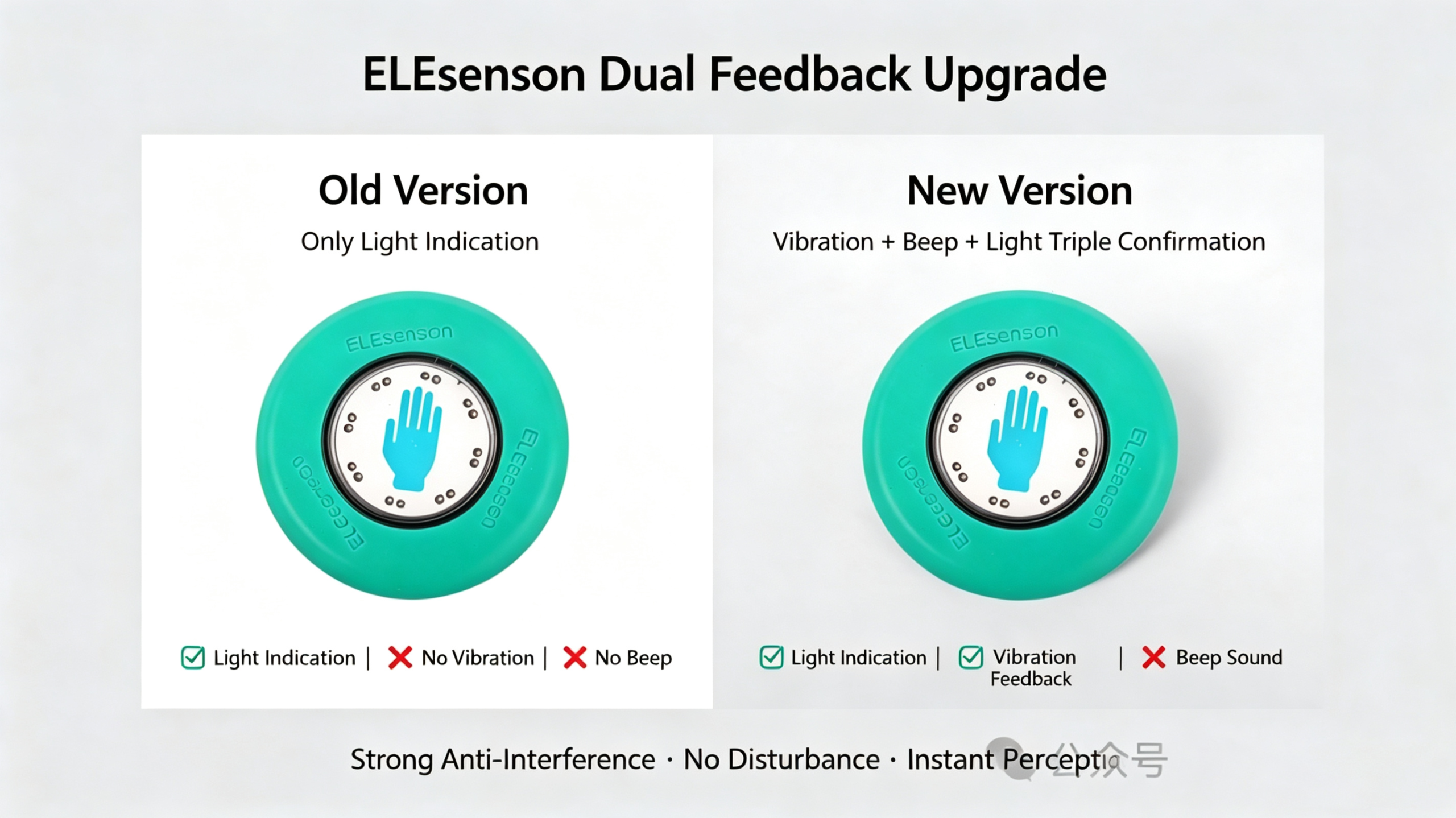
Traditional touch switches rely only on indicator lights for status prompt, which is easily affected by ambient light and noise. The upgraded ELEsenson touch switch delivers obvious fingertip vibration and synchronous buzzer beep after each touch. Whether in strong light, dim dark environments or noisy industrial scenes, users can accurately perceive operation results without relying on visual observation, completely avoiding misjudgment and repeated triggering.
Industrial-Grade Anti-Interference & Strong Environmental Adaptability
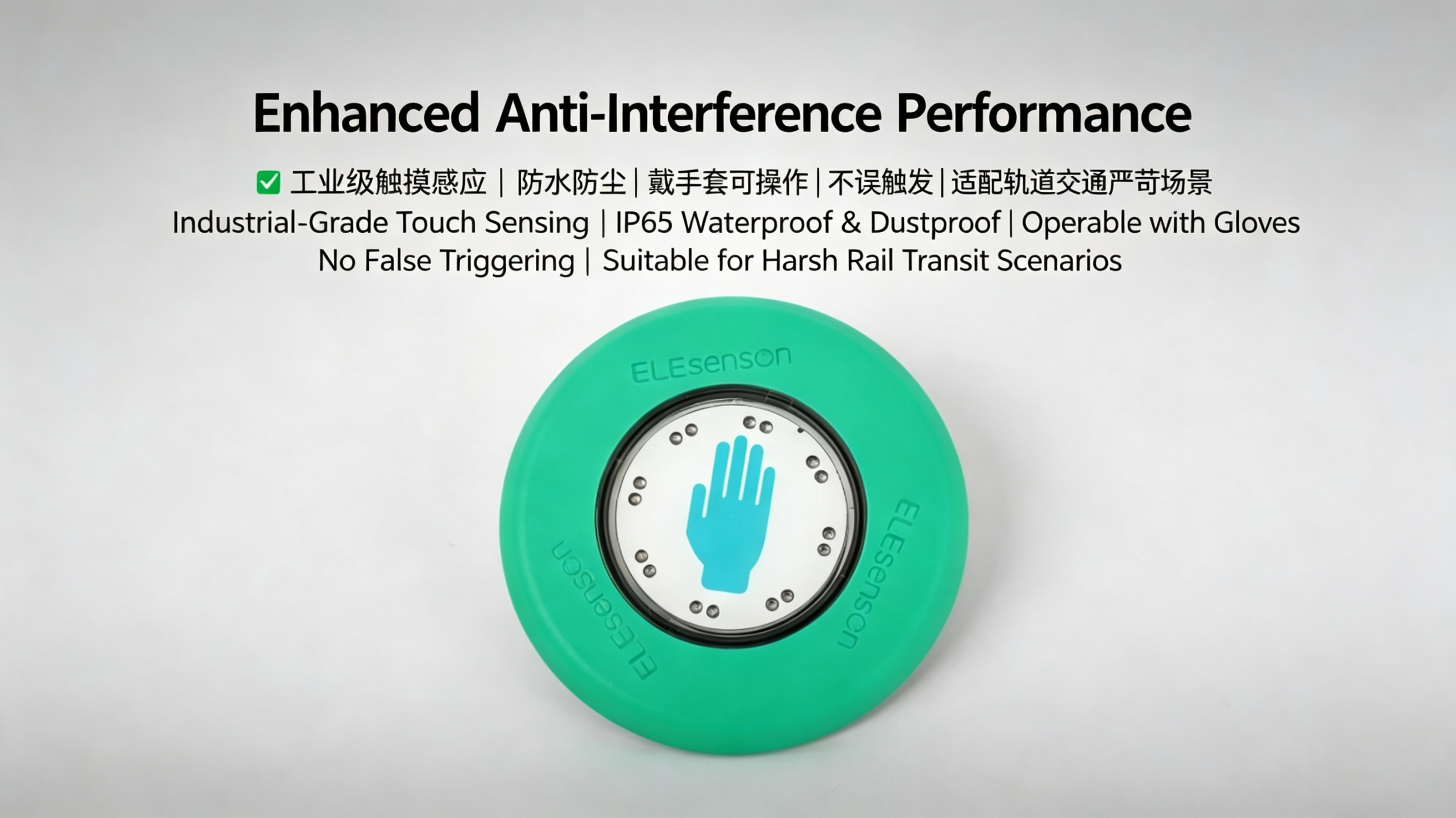
Inheriting stable industrial capacitive sensing performance, the product maintains sensitive and accurate touch response. It supports glove operation, waterproof and dustproof performance, and effective false-touch prevention functions. It can operate stably in high-frequency and complex public service scenarios such as rail transit, with strong environmental resistance and reliable all-weather operation.
No Mechanical Wear, Ultra-Long Service Life
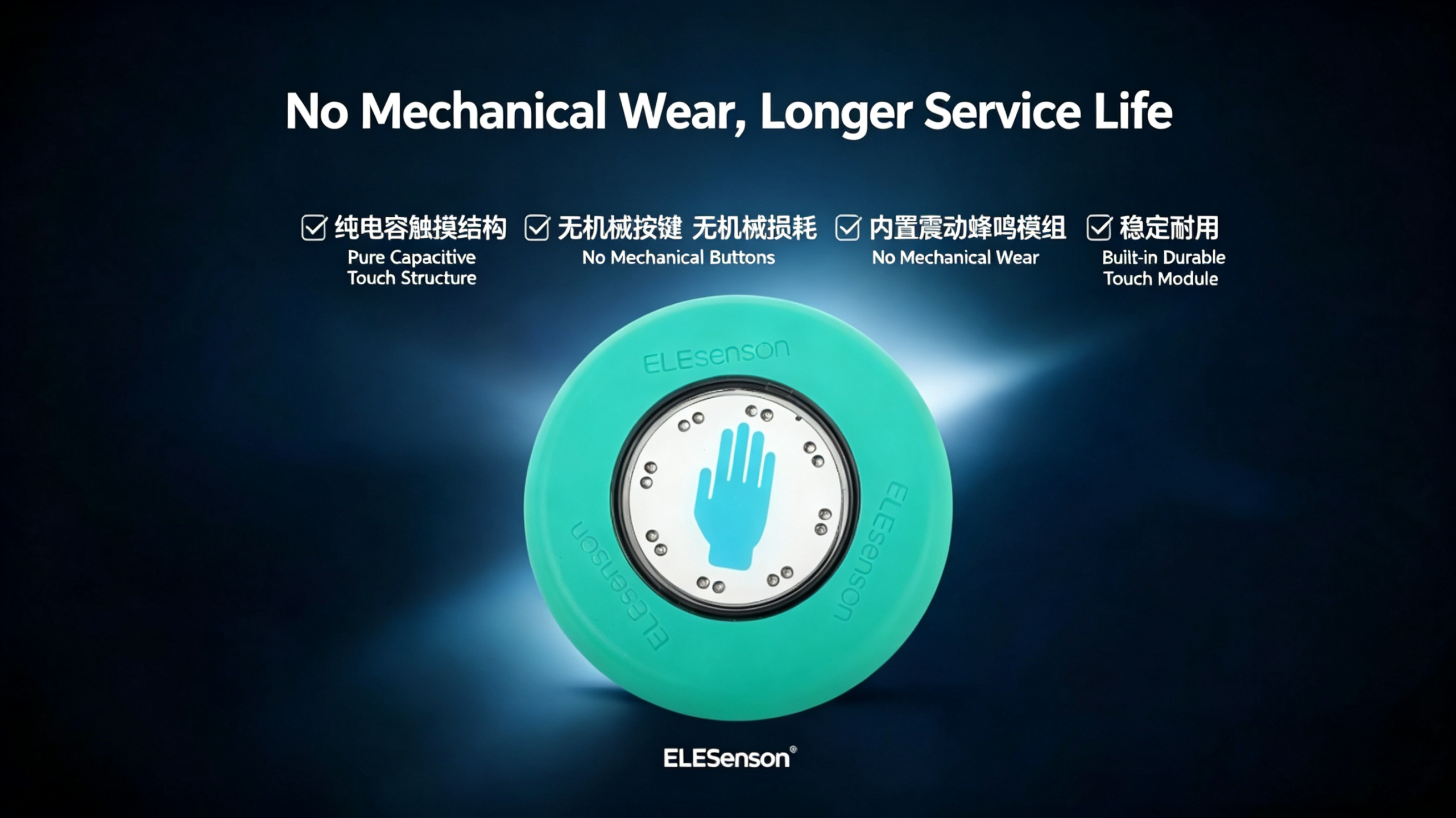
Adopting pure capacitive touch non-mechanical structure, there are no physical buttons or mechanical pop-up structures. The vibration motor and buzzer module adopt integrated built-in design, without additional mechanical friction and wear. The whole machine features stable performance, strong durability and low failure rate, realizing long-term uninterrupted stable operation.
03.Humanized Accessibility Design | Optimize Travel Experience for Visually Impaired Groups
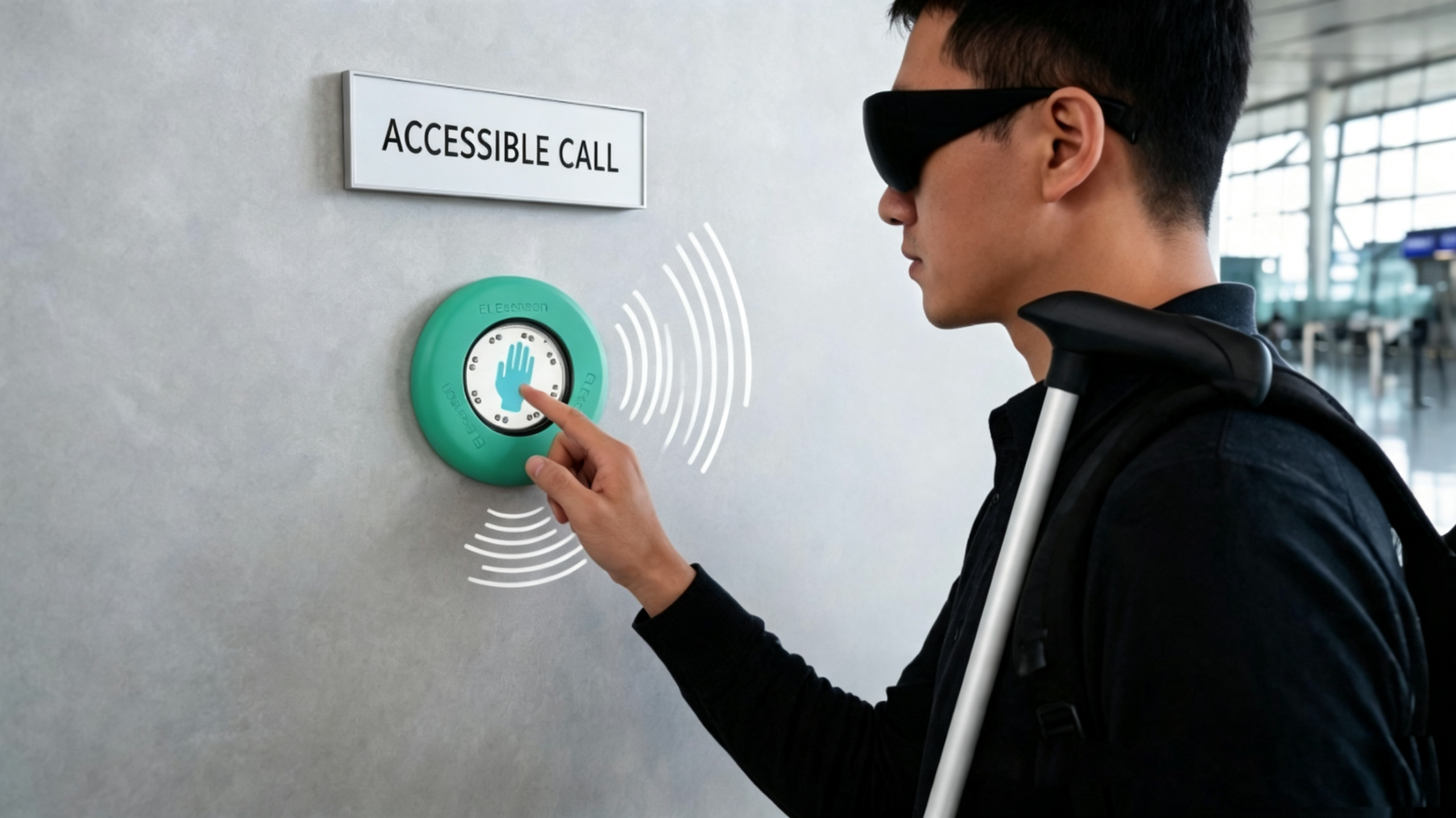
Traditional panel touch switches rely entirely on indicator lights for feedback, making it impossible for visually impaired passengers to judge whether the operation is successful, resulting in repeated trial operations, false touches and operational confusion. ELEsenson dual-feedback capacitive switch solves this pain point perfectly. A slight touch can trigger synchronous vibration and sound prompt, allowing users to confirm the successful activation of the switch through touch and hearing without visual assistance.
Applied to subways, high-speed trains and various public service facilities, it enables visually impaired passengers to complete independent and accurate operations, effectively reducing operational errors and potential safety hazards. It takes into account the daily use needs of ordinary passengers and accessible groups, greatly improving the safety, humanization and convenience of public travel facilities.
04. Indoor & Outdoor Full-Scenario Adaptation | Intelligent Sensing Creates Consistent Experience
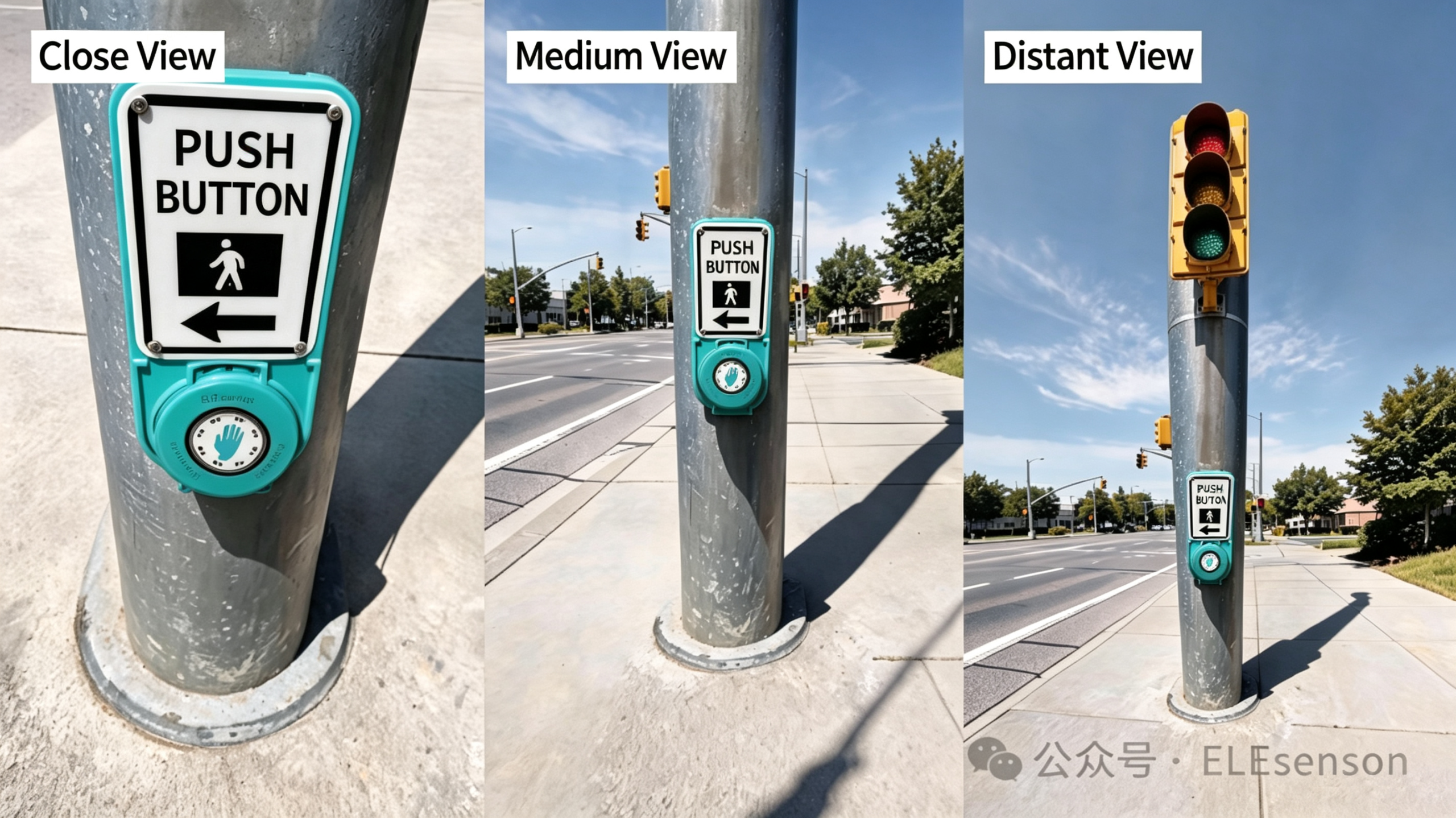
This upgraded capacitive touch switch has excellent environmental adaptability, covering all indoor and outdoor installation scenarios. It maintains sensitive and stable dual feedback effects in indoor public equipment, transportation vehicle interiors, outdoor intelligent terminals and open-air service facilities. The intelligent sensing algorithm adapts to changes in ambient temperature, light and noise, ensuring consistent and reliable interactive experience in all scenarios.
05.Product Conclusion
The iteration of industrial interactive switches is not limited to simple touch triggering, but focuses on real, perceptible and reliable operational feedback. ELEsenson capacitive touch switch with vibration & buzzer dual feedback realizes immersive and accurate human-computer interaction. Committed to redefining the new generation of industrial intelligent interaction standards, ELEsenson keeps upgrading product strength to bring more humanized and intelligent sensing solutions for public and industrial scenarios.
Rock Drill Parts & Repair Service | Professional ELEsenson Sensor Maintenance
01.Core O&M Pain Points of Rock Drilling Construction Equipment
In mining operations, tunnel excavation, and infrastructure rock drilling projects, construction delays are rarely caused by complex construction processes. Instead, project stagnation and cost waste mainly stem from sudden rock drill failures, insufficient spare parts supply, and inefficient after-sales maintenance services.
Low-precision replacement accessories directly lead to drilling angle deviation and unqualified hole positions; inferior parts cause accelerated component wear and frequent equipment downtime; traditional fault diagnosis is time-consuming and labor-intensive, coupled with slow after-sales response. Every unplanned equipment shutdown triggers construction schedule delays, idle labor costs, and invalid project consumption, becoming a key bottleneck restricting efficient construction progress.
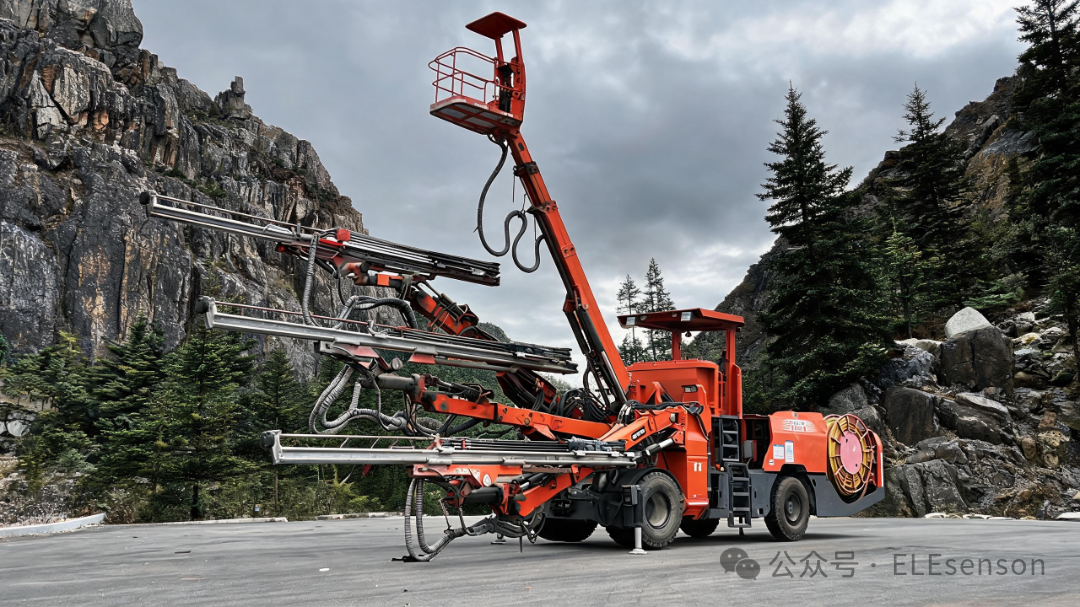
02.High-Quality OEM-Grade Accessories | Built for Harsh Drilling Working Conditions
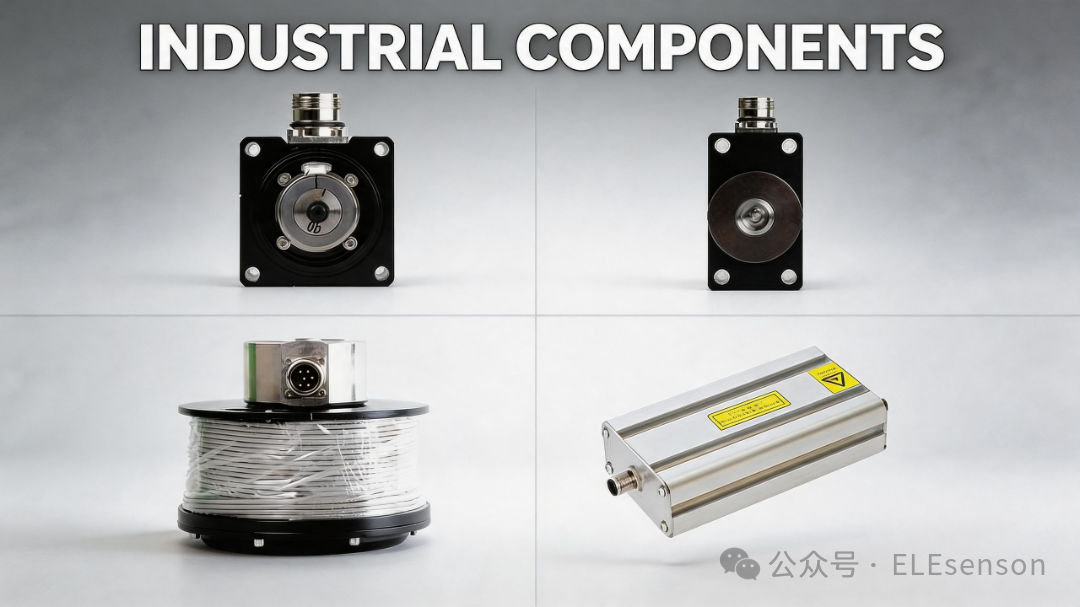
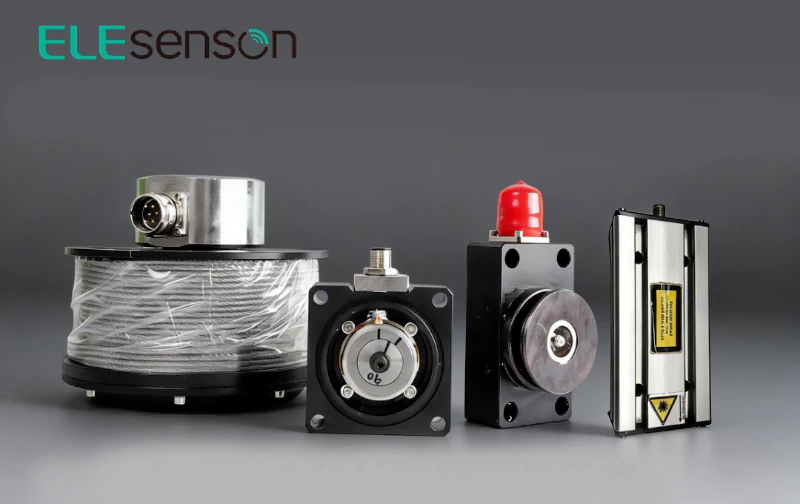
ELEsenson provides full-series professional rock drill accessory kits and supporting sensing components, perfectly adapting to high-intensity and harsh underground construction environments. The matched four-core sensing components work synergistically to comprehensively upgrade rock drilling construction accuracy and operational stability:
Angle Sensor: Precisely monitors the real-time tilt attitude of the drill boom, effectively correcting drilling angle deviation and standardizing hole position accuracy.
Stroke Cable Sensor: Real-time acquisition and monitoring of drill boom stroke displacement data, ensuring stable and controllable drilling feed progress.
Depth Sensor: Achieves high-precision drilling depth control to avoid under-excavation and over-excavation, ensuring consistent construction quality.
Laser Positioning System: Realizes fast and precise hole alignment positioning, greatly improving drilling efficiency and reducing manual calibration errors.
All accessories undergo strict factory quality inspection and environmental adaptation tests, featuring wear resistance, impact resistance, and high stability. They fully meet the long-term operational requirements of demanding rock drilling scenarios.
03.One-Stop Rock Drill O&M Service | Parts Supply + Professional Repair Integration

In rock drilling engineering, every equipment shutdown means suspended production and lost benefits, and every day of delay brings irreversible project losses. Based on high-quality original-grade spare parts, ELEsenson launches an integrated one-stop solution of full-series parts supply + professional equipment repair and maintenance, completely solving the industry pain points of difficult parts matching and slow fault repair.
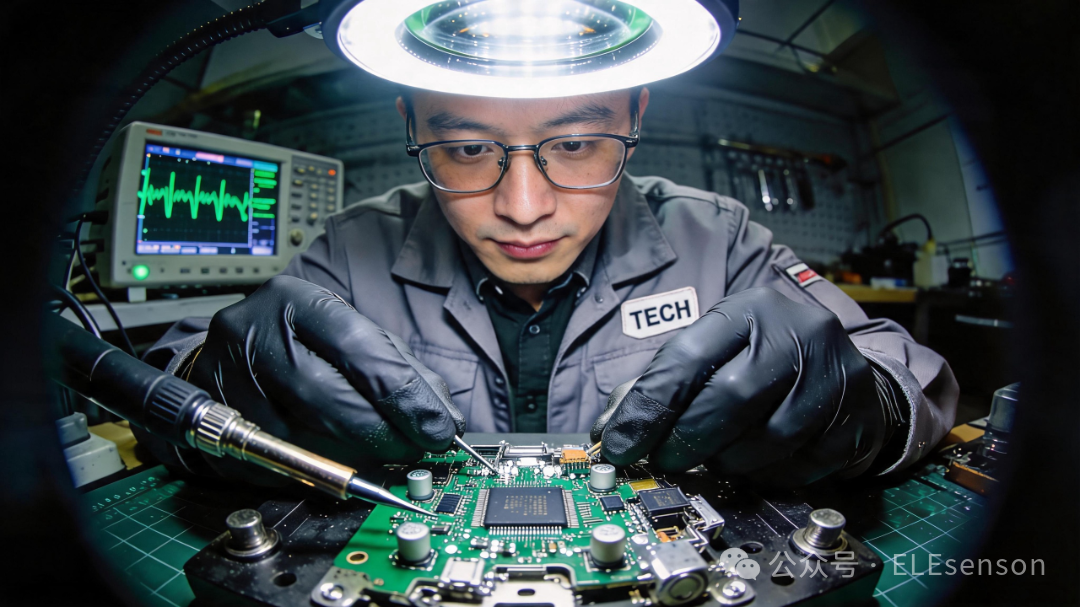
3.1 Professional Technical Team, Accurate Fault Diagnosis & Targeted Maintenance
We have a professional technical team with years of in-depth experience in rock drilling equipment research and on-site maintenance. For common equipment faults such as sensor signal abnormality, component aging and wear, and drilling posture deviation, the team can quickly locate root causes, complete accurate fault diagnosis, and implement targeted repair solutions. We eliminate invalid disassembly and excessive maintenance, ensuring each maintenance operation is efficient, accurate, and thorough to restore equipment working performance.
3.2 24/7 Rapid Response, Whole-Cycle Stable After-Sales Support
ELEsenson implements full-process efficient after-sales service mechanism, supporting 24/7 online technical consultation and rapid emergency response. For on-site equipment failures, we provide timely remote guidance and on-site maintenance assistance to minimize equipment downtime and quickly restore normal construction operations.
Beyond one-time fault repair, we provide long-term follow-up maintenance and regular equipment inspection services. We proactively detect potential hidden faults such as component aging and signal drift, eliminate risks in advance, and guarantee long-term stable and high-efficiency operation of rock drilling equipment.
04.Service Advantages & Brand Commitment
ELEsenson always adheres to the service tenet of Quality First, Service Oriented, Efficient and Pragmatic, focusing on customized supporting services for tunneling, municipal infrastructure, geotechnical engineering, and mining construction scenarios.
We insist on winning the market with reliable OEM-grade accessory quality, professional maintenance technology, and efficient after-sales response. We abandon low-price and low-quality competition, focus on product reliability and service reputation, and provide customers with cost-effective, worry-free, and full-cycle rock drill parts and maintenance integrated solutions.
Angle Sensor Product Page
Depth sensor Product Page
Linear Sensor Product Page
Laser Positioning Sensor Product Page
Rock Drill Cable Product Page

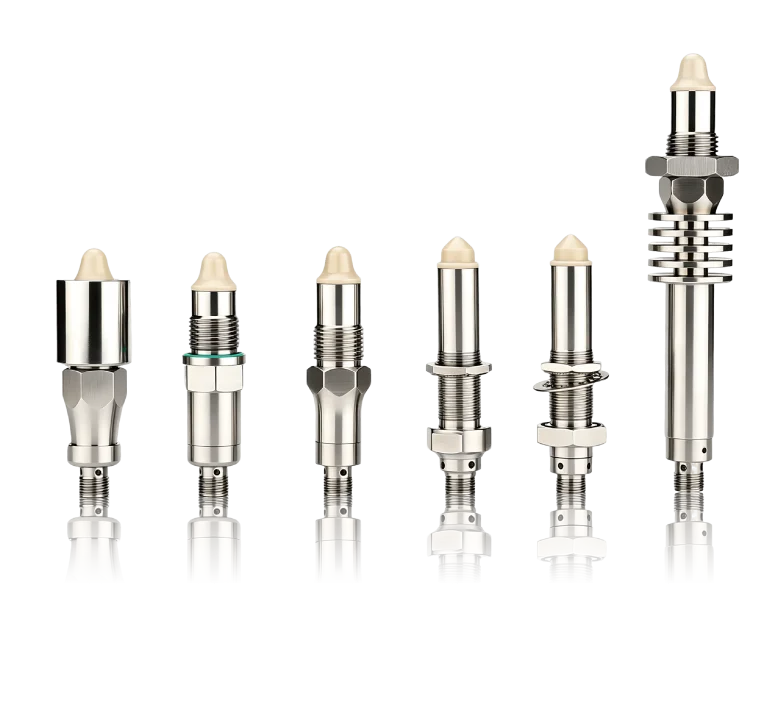
Bluetooth Level Sensor | Wireless Sweep-Frequency Detection for Industrial Silos
01.Outdated Level Sensors Bring Long-Term Hidden Losses
Most industrial factories still rely on aging, outdated level sensors to sustain daily production. Although retaining old equipment seems to save upfront procurement costs, it continuously triggers invisible operational losses throughout the production cycle. Frequent false alarms cause unplanned production downtime and material overflow waste; traditional high-altitude maintenance and repeated equipment repairs consume massive manpower and time costs, eroding factory production capacity year by year.
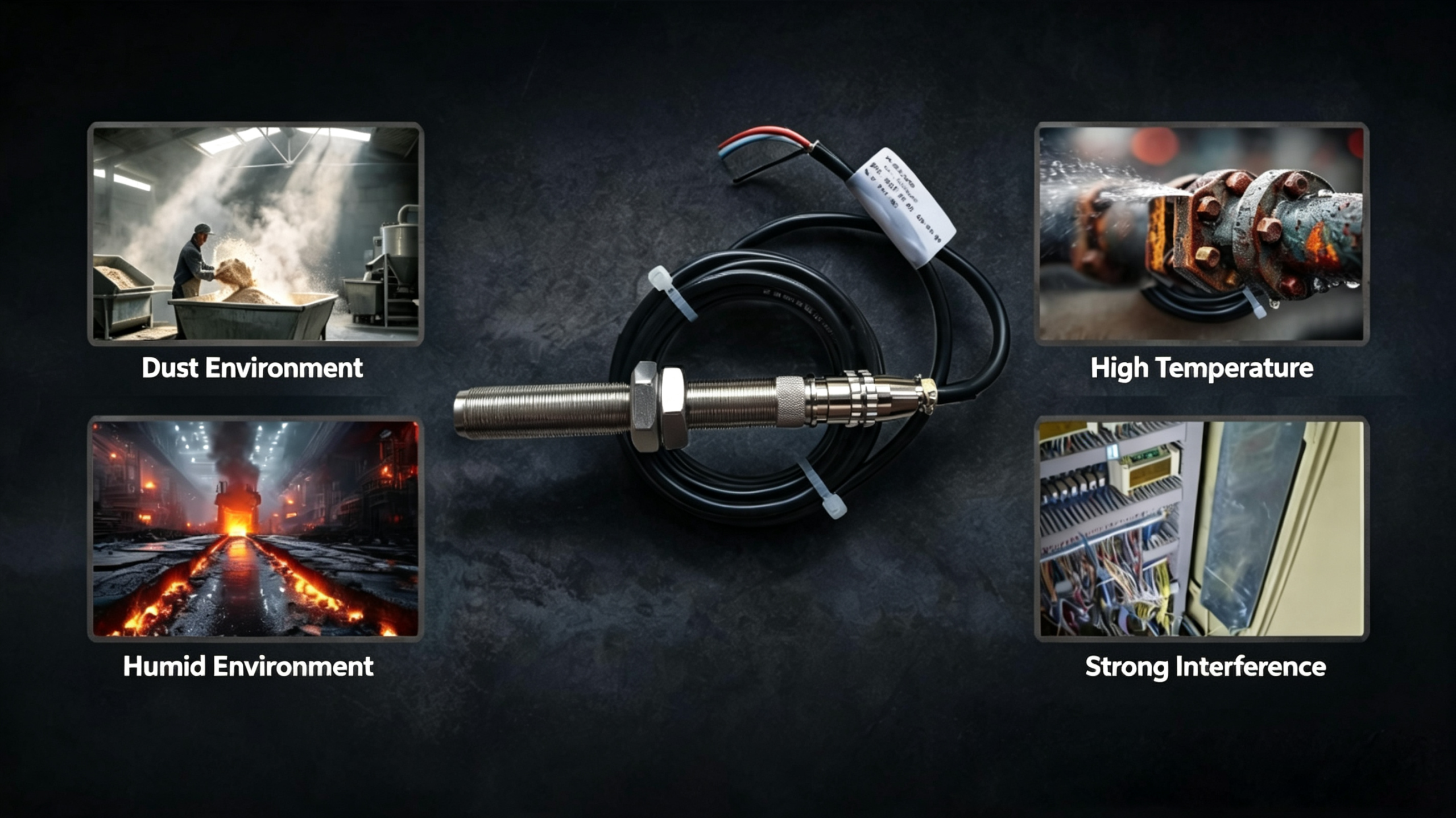
Conventional ultrasonic, weight drop, and fixed-frequency capacitive sensors adopt backward technical architectures with inherent structural defects. They cannot adapt to modern complex industrial working conditions featuring heavy dust, high humidity, high temperature, and strong electromagnetic interference, gradually becoming a major bottleneck restricting standardized and intelligent production.
02.Product Upgrade Breakthrough | New-Generation Bluetooth Sweep-Frequency Detection Technology
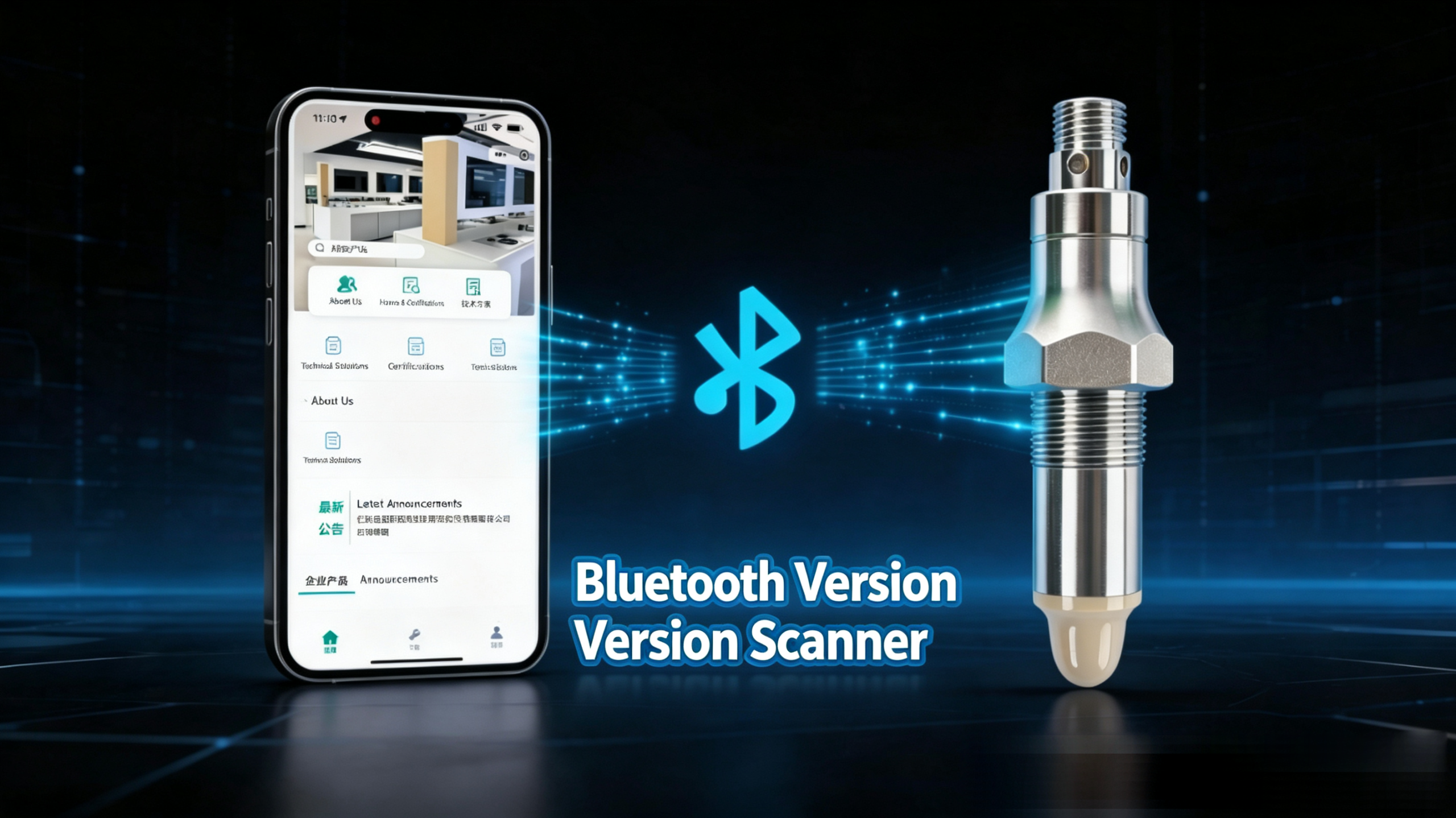
Targeting the long-standing defects and industry pain points of traditional level detection equipment, ELEsenson has fully upgraded its core level sensing products. Abolishing outdated fixed-frequency detection principles and cumbersome mechanical structures, the new-generation level sensor adopts proprietary sweep-frequency detection technology + industrial-grade Bluetooth wireless transmission system. It precisely solves all common shortcomings of traditional sensors in one fell swoop, achieving comprehensive upgrades in detection stability, operation convenience, scenario compatibility, and overall cost control.
03.Core Competitive Advantages
3.1 Wireless Bluetooth Debugging | Zero High-Altitude Operation, Safer & Efficient
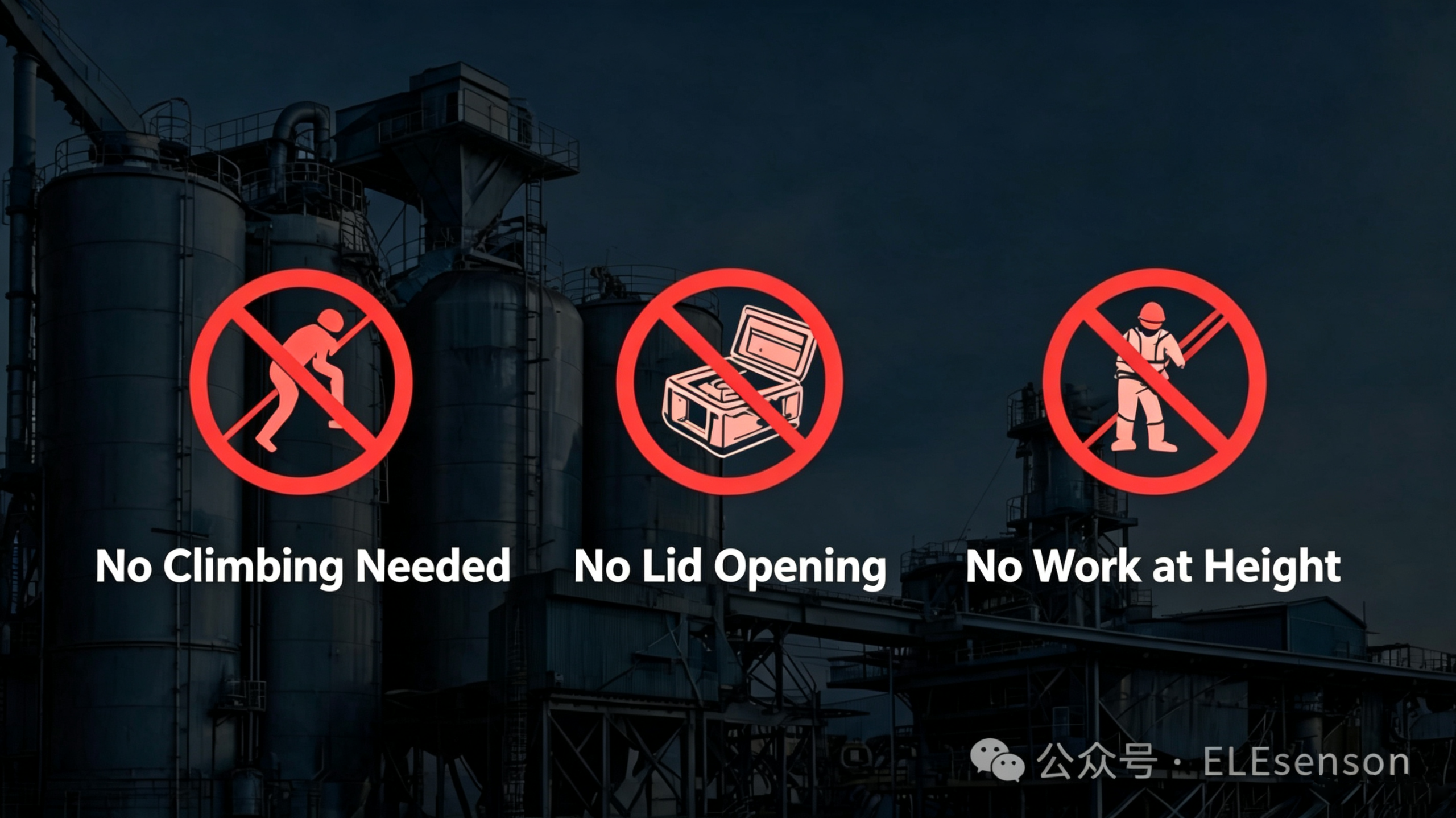
This sensor completely solves the pain points of traditional high-risk, low-efficiency, labor-intensive high-altitude maintenance. Equipped with a high-stability industrial Bluetooth module, it supports close-range wireless connection via smartphones and tablets. Operators can complete all operations on the ground, eliminating the need to climb silos, open equipment covers, or disassemble mechanical structures.
All work including parameter calibration, functional debugging, fault diagnosis, and historical data retrieval can be finished in tens of seconds. It thoroughly eliminates safety hazards from high-altitude operations, realizes single-person independent O&M management, boosts overall operational efficiency by over 10 times, and greatly reduces manual inspection and debugging costs.
3.2 Industrial-Grade Anti-Interference | Stable Operation in Harsh Working Conditions
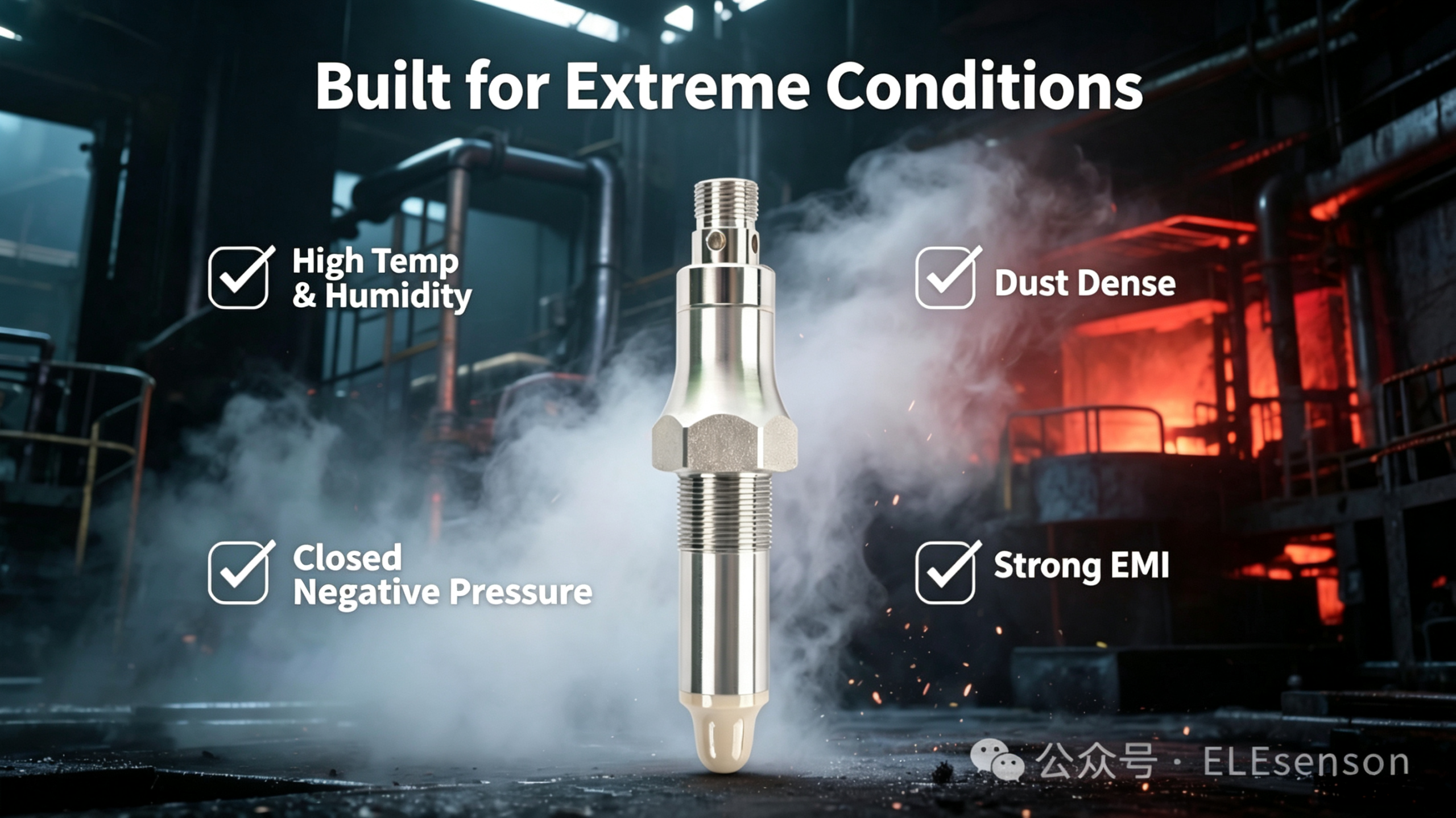
Aiming at the poor medium compatibility, insufficient durability, and frequent failure downtime of old-fashioned sensors, this product adopts an all-round fully sealed industrial protection structure and professional anti-electromagnetic interference circuit design. It stably adapts to extreme industrial environments such as high temperature and humidity, heavy dust accumulation, closed negative pressure, and strong electromagnetic field interference.
Free of wearable mechanical moving parts, the sensor avoids jamming and structural failure risks. The specially optimized probe resists material adhesion and clogging, realizing universal adaptation to various industrial materials and complex scenarios. It supports 24/7 long-term stable online monitoring without frequent maintenance.
3.3 Data Traceable Management | Intelligent Detection Abandons Blind Manual Inspection
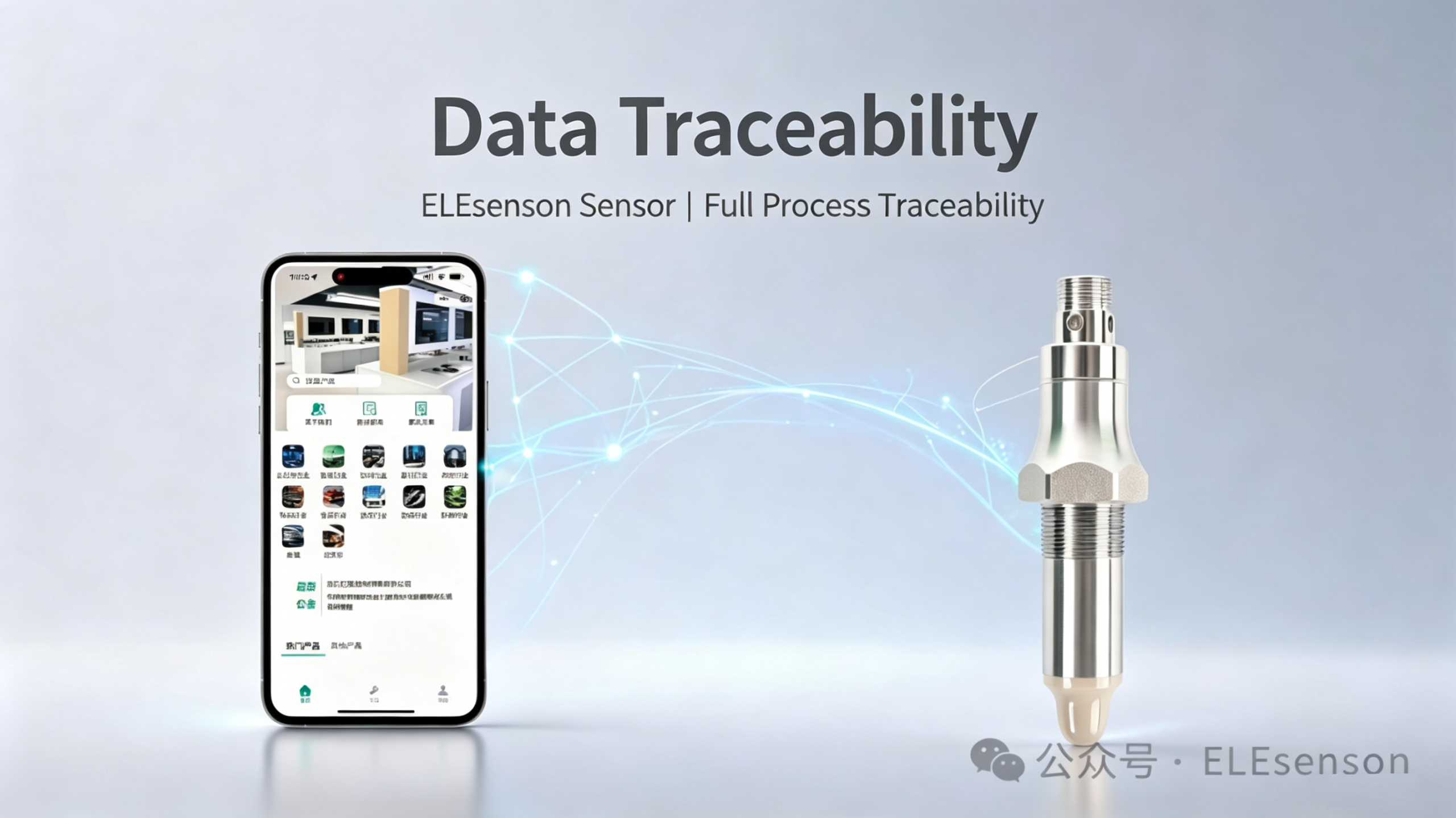
Traditional level detection suffers from blank data records, untraceable operating status, and backward manual empirical management modes. Relying on Bluetooth real-time communication technology, ELEsenson Bluetooth sweep-frequency level sensor realizes real-time data synchronization, automatic data storage, and full-cycle historical traceability.
Factories can accurately analyze material consumption rules, predict material shortage risks in advance, and realize automatic feeding reminder and predictive equipment maintenance. It completely subverts the traditional manual patrol inspection mode, eliminating empirical judgment errors and helping enterprises complete digital and intelligent upgrading of material level management.
3.4 Low Investment & High Return | Long-Term Ultra-High Cost Performance
Traditional outdated sensors feature low upfront prices but bring extremely high hidden operational costs including high failure rates and energy waste. ELE new-generation Bluetooth level sensors achieve precise and stable detection, effectively avoiding material overflow and waste losses. Wireless intelligent O&M drastically cuts labor input, and ultra-low failure rates minimize production downtime loss and equipment maintenance replacement costs.
One-time equipment upgrade completely eliminates various hidden losses caused by aging sensors, perfectly realizing production stability, efficiency improvement, and cost reduction. It is the most cost-effective priority solution for factory old equipment renewal and upgrading.
04.Full-Scenario Compatibility | Seamless Replacement of All Traditional Sensors
ELEsenson Bluetooth sweep-frequency level sensor boasts ultra-strong universal compatibility, capable of seamless replacement of all traditional level detection equipment including ultrasonic sensors, fixed-frequency capacitive sensors, weight drop sensors, and float level switches.
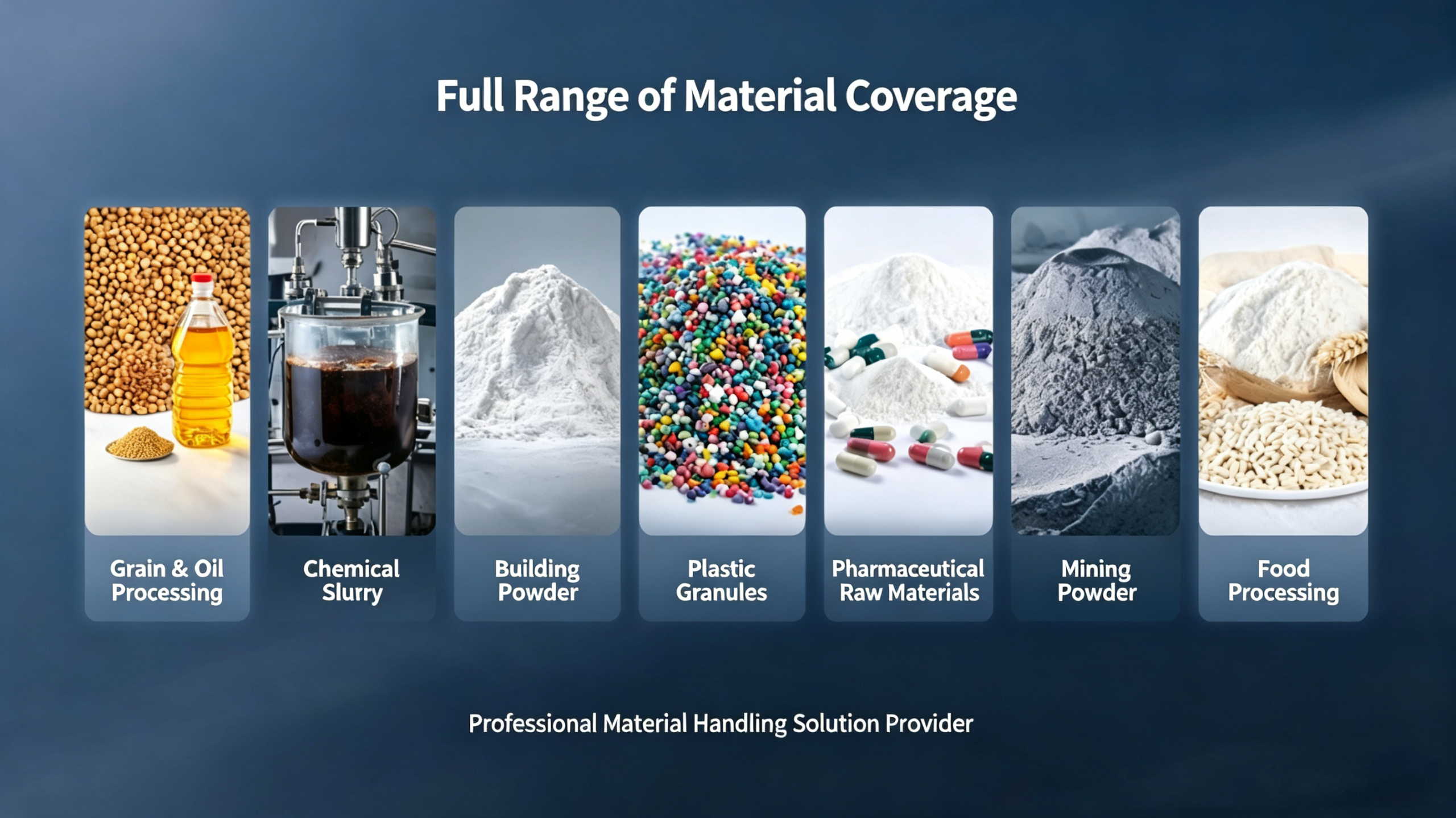
It covers multiple industrial fields such as grain and oil processing, chemical slurry transportation, building material powder storage, plastic particle processing, pharmaceutical raw material warehouses, mining powder systems, and food storage. Suitable for open and closed silos, storage tanks, and reaction kettles, it requires no modification of original pipeline and mechanical structures, featuring plug-and-play and free of complex debugging.
05.Product Conclusion
No complicated wiring, no tedious debugging, mobile phone Bluetooth one-click connection to complete real-time level monitoring. ELEsenson Bluetooth Sweep-Frequency Level Sensor integrates on-site operational stability, use convenience, and production efficiency improvement. Choose ELEsenson industrial sensing solutions to completely solve industrial level detection pain points and empower factory intelligent and low-cost production.
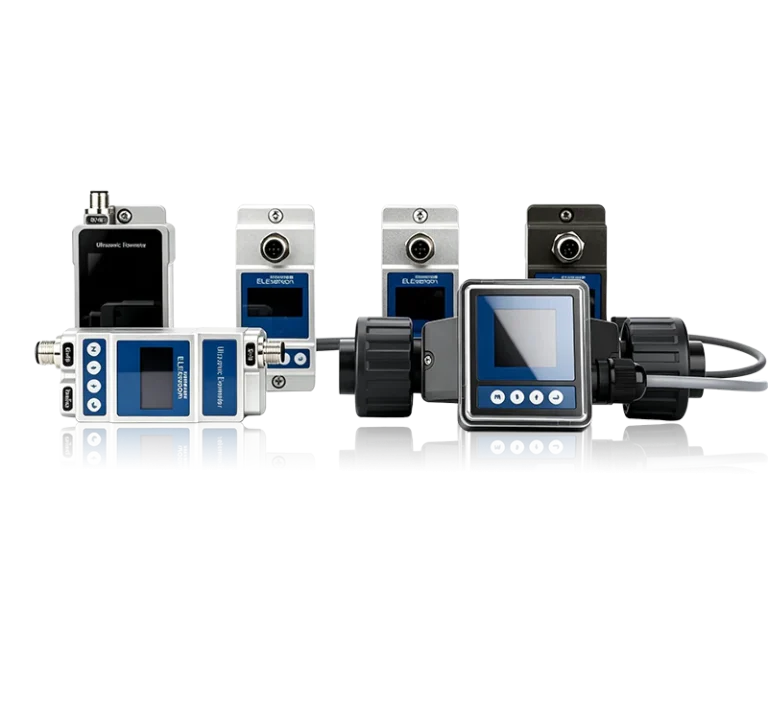
Ultrasonic Flow Meter | Clamp-On Design, No Pipe Cutting & Zero Downtime
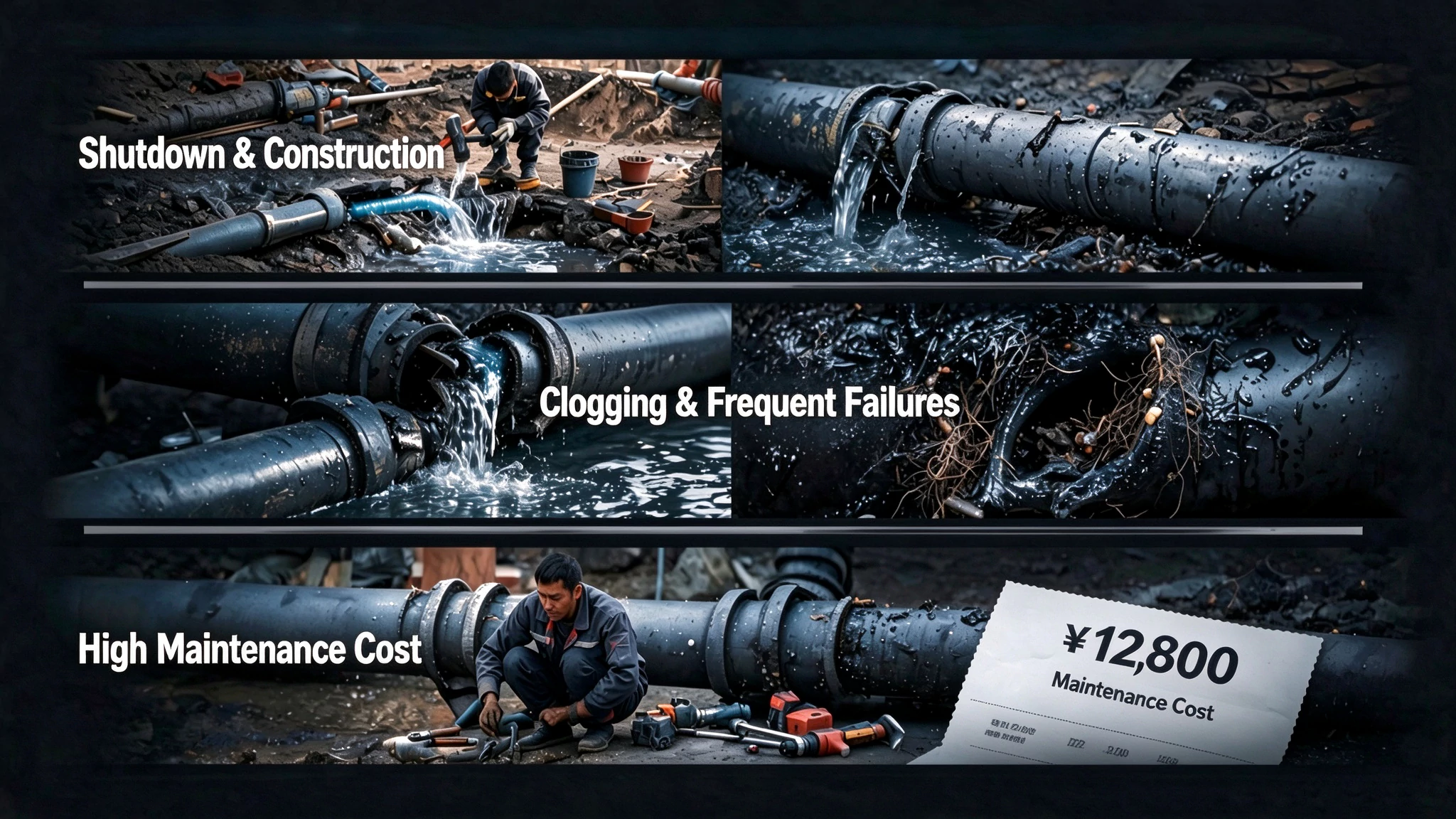
Frequent flow test failures and unstable meter data have long troubled technicians in water utility operation, industrial production, and water resource management. Traditional inline flow meters face inherent industry drawbacks: newly installed devices suffer from inconsistent measurement accuracy; pipeline upgrades and equipment replacement require pipe cutting construction, mandatory production shutdowns, and continuous flow interruption; internal probe clogging and jamming often lead to frequent equipment failures; routine cleaning and maintenance consume massive labor and time costs.
These persistent problems have become a major bottleneck for industrial enterprises and water conservancy institutions to achieve cost reduction, efficiency improvement, and refined pipeline management, restricting the stable operation of fluid monitoring and daily production scheduling.
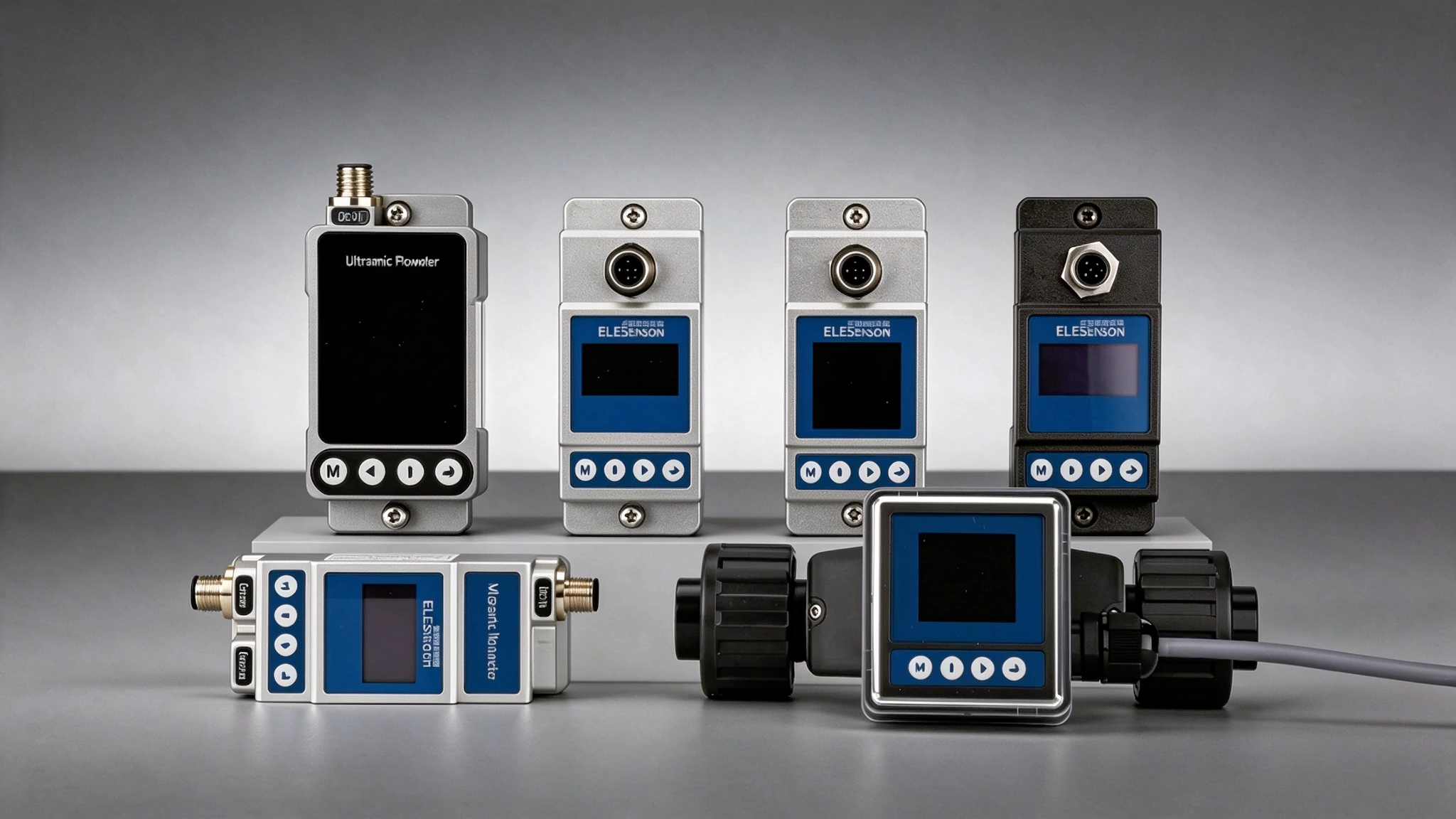
Tailored for the core pain points of traditional flow measurement, ELEsenson clamp-on ultrasonic flow meter delivers reliable industrial-grade measurement performance without fancy gimmicks. Adopting advanced non-contact ultrasonic measuring technology and maintenance-free structural design, it perfectly adapts to various complex pipeline and fluid working conditions. It simplifies traditional complicated flow measurement workflows, realizing fast installation, high-precision detection, and zero subsequent maintenance, and serves as the most cost-effective flow monitoring solution for industrial and water resource scenarios.
3.1 Clamp-On Installation, Save Time, Labor and Retrofit Costs
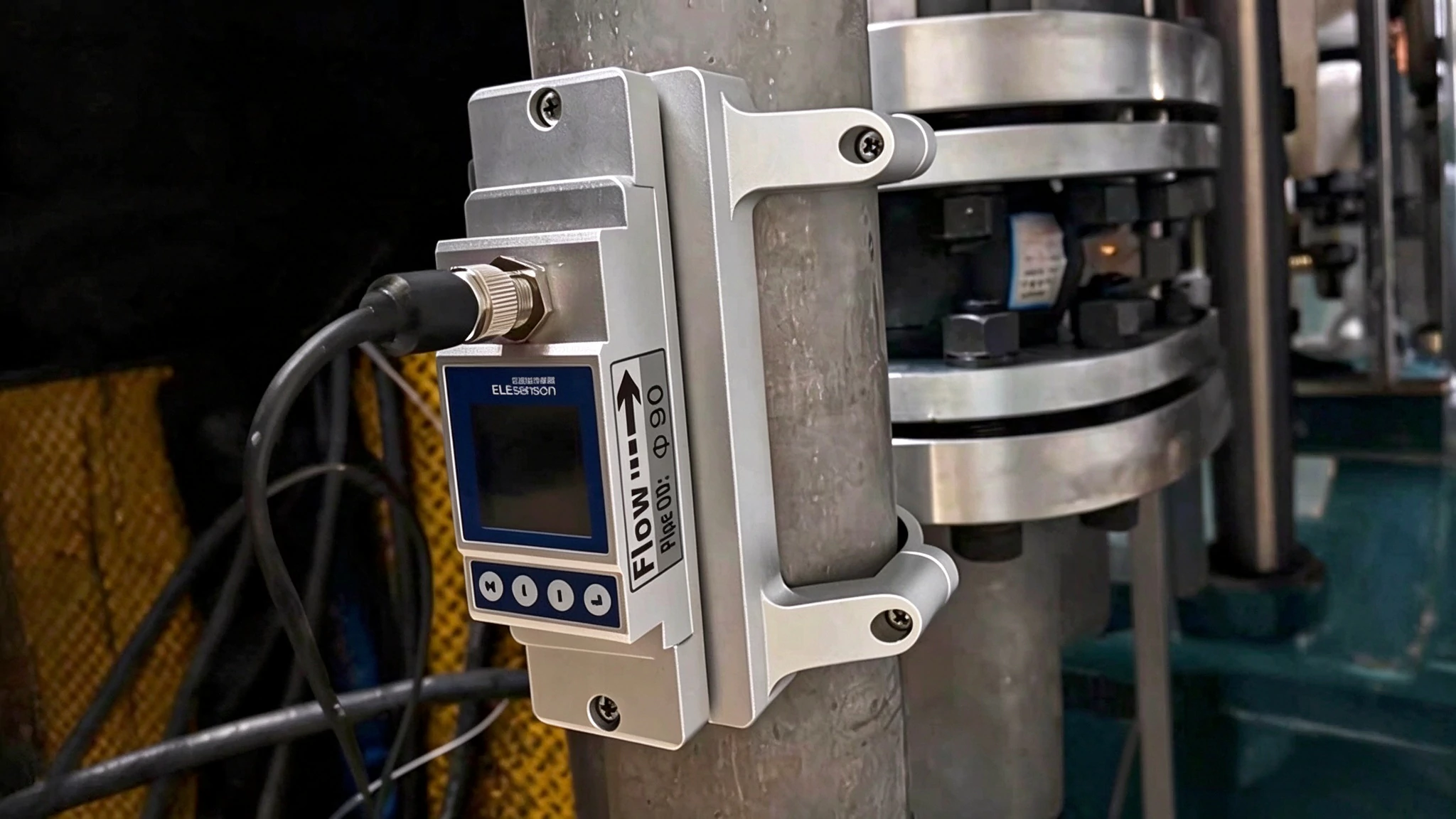
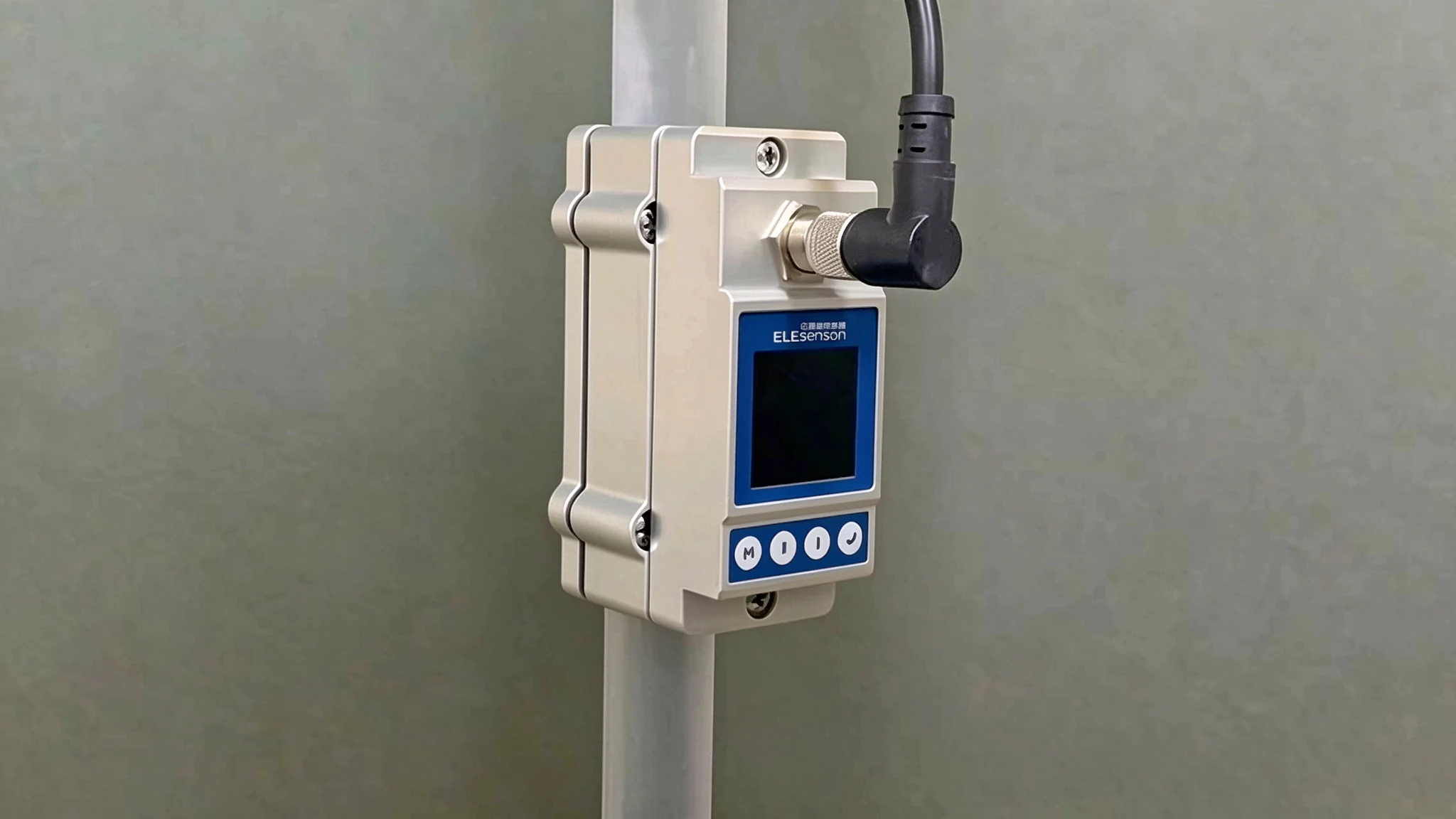
Featuring an outer-wall clamp-on mounting method, the sensor probe is directly fixed on the pipeline surface for rapid deployment. The entire installation process requiresno pipe cutting, no pipeline transformation, and no production downtime. It is perfectly applicable to new pipeline laying, old flow meter replacement, and temporary flow monitoring tasks. It thoroughly solves the construction difficulties of traditional inline meters, effectively saving manual construction costs, project cycle time, and equipment retrofit investment, and greatly improving pipeline renovation efficiency.
3.2 High-Precision Algorithm, Stable and Anti-Interference Measurement
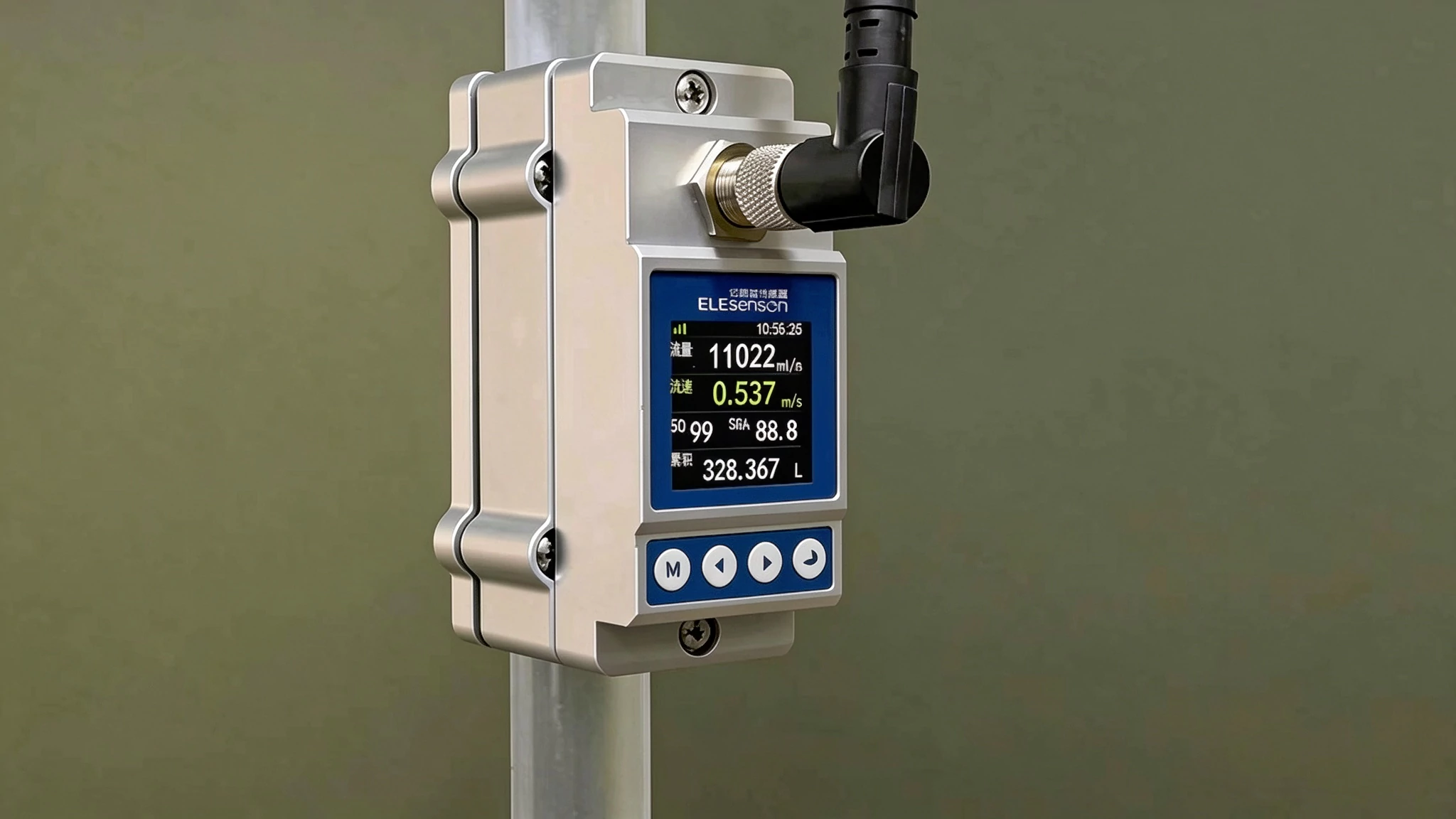
Equipped with an optimized high-precision time-of-flight measurement algorithm, the ELE ultrasonic flow meter calculates fluid flow velocity and cumulative flow by capturing the time difference of ultrasonic wave forward and reverse propagation in the pipeline. Different from traditional measuring devices, it is not affected by fluid temperature, working pressure, and medium density. It maintains ultra-stable and high-precision measurement data for complex media such as corrosive chemical liquids and mixed impurity fluids, realizing full-process accurate monitoring. All measured data is true, stable, and traceable, supporting standardized industrial quality management.
3.3 Wide Compatibility, Full-Coverage Application Scenarios
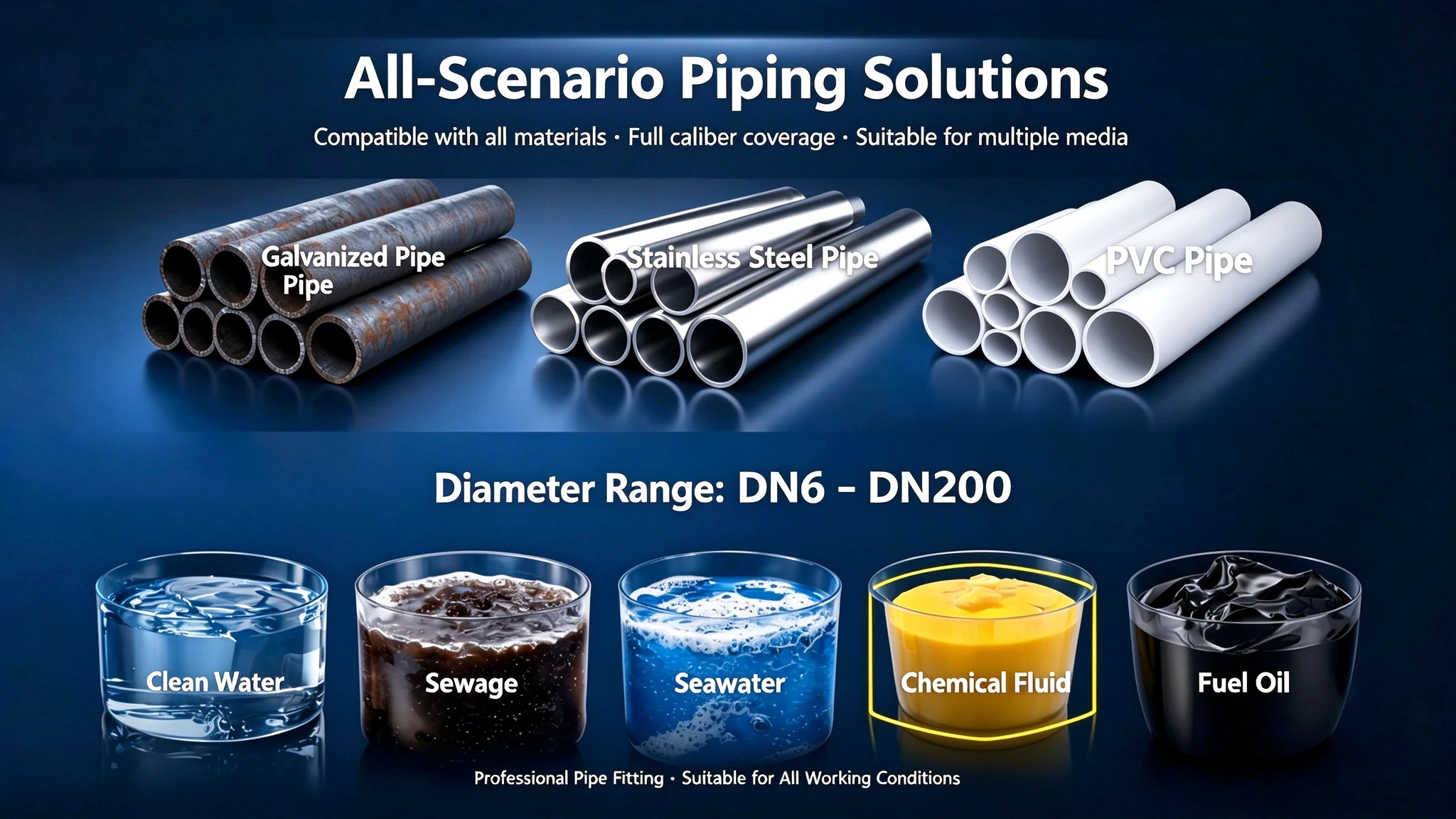
This flow meter boasts excellent universal adaptability, compatible with mainstream pipe materials including carbon steel, stainless steel, PVC, and plastic pipes. It covers a complete pipe diameter range from DN6 to DN200, meeting the measurement demands of different pipeline specifications. It supports accurate detection of multiple media such as tap water, industrial wastewater, seawater, chemical solvents, and fuel oil. It is widely used in industrial automated production, smart water conservancy management, environmental monitoring, pharmaceutical purified water systems, and other professional scenarios, realizing one device for multi-scene universal use.
A high-quality flow meter determines the efficiency and accuracy of pipeline fluid management. ELEsenson clamp-on ultrasonic flow meter integrates non-contact installation, high-precision measurement, strong anti-interference, and zero maintenance advantages. It eliminates various hidden troubles of traditional flow measurement, ensures long-term stable and reliable flow data monitoring, and helps enterprises achieve refined, low-cost, and efficient pipeline operation and management.
ESP Series Bluetooth Sweep-Frequency Level Sensor | 3-Second Wireless Tuning
High-end imported level switches feature high precision and stable performance, yet they come with exorbitant pricing, long delivery cycles of several months, and sluggish multi-level distributor after-sales support. While conventional domestic level sensors offer lower procurement costs, they suffer from prevalent drawbacks including material adhesion limitations, poor medium compatibility, and complicated on-site commissioning. Frequent false alarms lead to increased failure rates and continuously rising maintenance costs, failing to meet modern industrial stable monitoring demands.
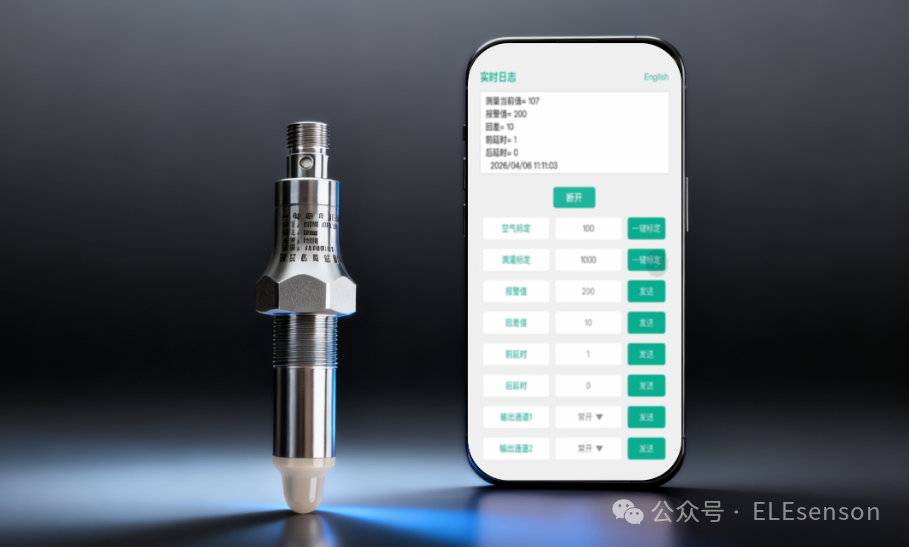
The industry has long faced an awkward dilemma: choosing between expensive international high-stability instruments and low-cost domestic sensors with unreliable performance. ELEsenson’s newly launched ESP Series Bluetooth Sweep-Frequency Level Sensor perfectly breaks this industry bottleneck. Boasting core detection performance comparable to top international brands such as IFM and Baumer, it delivers premium-grade stability at a cost-effective domestic price point. Equipped with exclusive Bluetooth wireless tuning technology, it thoroughly solves various pain points of traditional cumbersome on-site commissioning
01.3-Second Wireless Tuning | No Height Climbing, No Disassembly Required
Traditional level sensor commissioning is a major burden for on-site O&M teams. Most sensors are installed on high-altitude equipment such as material silos, storage tanks, and reaction kettles. Conventional debugging requires climbing ladders, disassembling equipment housings, and manually adjusting internal potentiometers with screwdrivers. Operators must repeatedly climb up and down to verify parameters, with each calibration process taking 15–20 minutes.
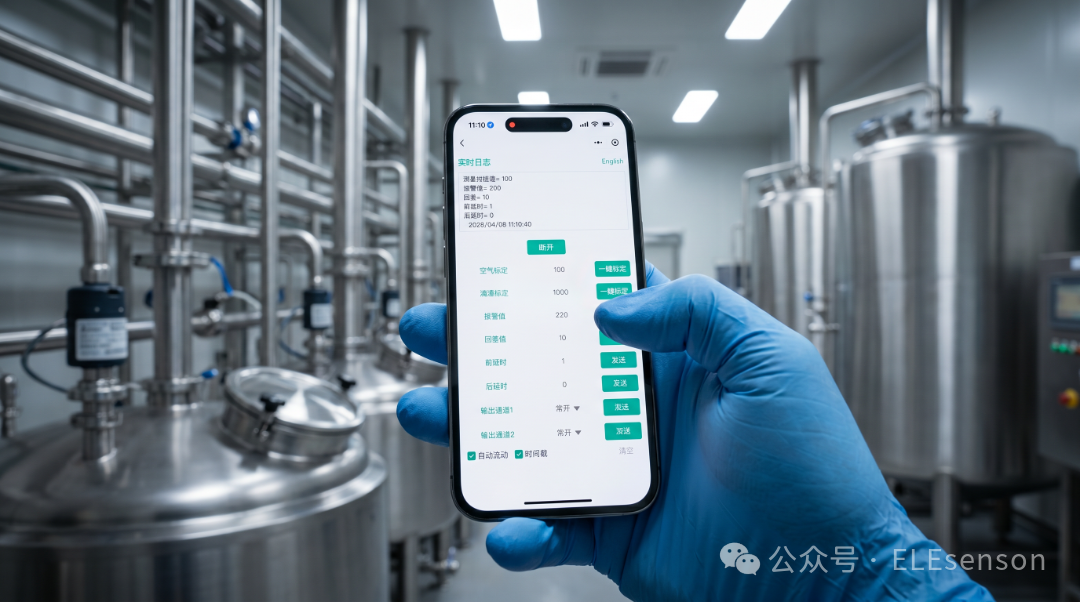
Parameter recalibration is frequently required after production material switching, ambient temperature changes, or probe surface adhesion and dust accumulation, bringing persistent high-altitude operation safety risks. Additionally, frequent equipment disassembly is prohibited in food cleanrooms and explosion-proof chemical workshops, as it easily causes environmental contamination and potential safety hazards. Production line shutdown for debugging also results in direct capacity loss.
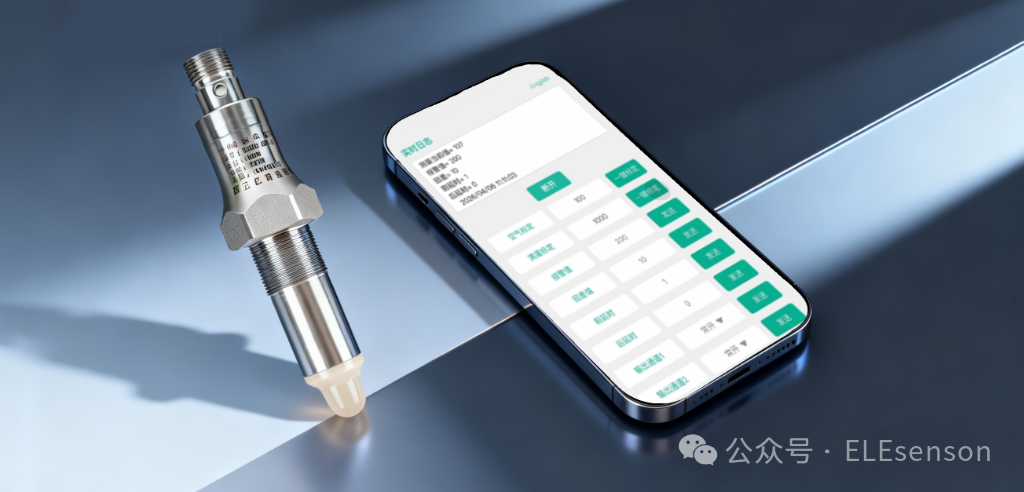
The ESP series revolutionizes traditional commissioning logic. Supporting dedicated mobile Bluetooth one-click tuning, it enables ground-based 3-second fast parameter matching without climbing heights, equipment disassembly, or power downtime. The non-contact debugging method fully adapts to cleanroom dust-free standards and explosion-proof environmental requirements, drastically reducing equipment downtime and eliminating high-altitude operation risks. It greatly simplifies O&M workflows and is widely recognized by frontline maintenance personnel.
02.International-Grade Performance, Ultra-High Cost Performance
Many engineers and purchasers focus on the core performance gap between ELEsenson ESP sensors and international brands. In terms of hardware configuration, anti-interference capability, and long-term operational stability, the ESP series fully matches the technical standards of mainstream imported brands including IFM and Baumer. Meanwhile, it retains the price advantage of domestic equipment, achieving unrivaled overall cost performance in the industry.
|
Comparison Dimension |
Imported Brands (IFM / Balluff) |
Conventional Domestic Level Switches |
ELE ESP Series |
|
Core Detection Technology |
Capacitive / Guided Wave Radar |
Basic Capacitive Detection |
Sweep-Frequency Detection, superior anti-sticking & anti-interference performance |
|
Medium Adaptability |
Requires independent recalibration for different mediums |
Narrow compatible medium range |
Full medium automatic adaptation, plug-and-play after installation |
|
Commissioning Method |
Physical buttons + PC software debugging |
Manual potentiometer knob adjustment |
Mobile Bluetooth one-click wireless tuning |
|
Market Price |
600–1200 USD |
100–200 USD |
180–380 USD, ultra-high cost performance |
|
Delivery Cycle |
6–12 weeks |
1–2 weeks |
In-stock supply, shipped within 3–5 days |
|
Installation Compatibility |
Ordinary standard interface compatibility |
Limited replacement compatibility |
Universal standard interface, direct replacement |
|
After-Sales Service |
Multi-agent layered service, slow response |
Basic telephone consultation |
Factory direct one-on-one full-process technical support |
The ESP series breaks the industry’s long-term binary dilemma of “high price with high stability vs. low price with poor reliability”. It delivers international-grade stable detection performance at domestic affordable prices, paired with exclusive Bluetooth wireless debugging function. Supporting seamless replacement of existing imported and domestic sensors with a complete model matching library, it realizes worry-free model selection and efficient equipment upgrading.
03.Full-Industry Adaptation | Targeted Solutions for Multiple Scenarios
3.1 Environmental Water Treatment (Core Application)
Industry Pain Points: Wastewater tanks feature fluctuating liquid levels and medium concentrations, leading to easy sludge and impurity adhesion on sensor probes. Traditional capacitive sensors generate frequent false alarms, increasing daily O&M workload.
ELE Solution: Adopting non-contact sweep-frequency detection principle, the sensor is not affected by surface sludge and deposits. It automatically adapts to wastewater with different concentrations to ensure long-term stable liquid level monitoring.
Application Effect: After replacement by environmental protection integrators, the monthly false alarm frequency dropped from 3–4 times to zero, effectively reducing on-site rework and maintenance costs.
Target Users: Environmental engineering integrators, wastewater plant O&M teams, water treatment equipment manufacturers.
3.2 Food & Beverage Industry (Bluetooth Function Core Scenario)
Industry Pain Points: After production line CIP cleaning and material switching, traditional sensors require disassembly and recalibration. Line shutdown for debugging causes capacity loss, while tank opening operation violates cleanroom hygiene standards.
ELE Solution: No equipment disassembly or production shutdown required. Operators complete one-click Bluetooth calibration on the ground after cleaning, ensuring uninterrupted production and compliant clean workshop environment.
User Value: Eliminate capacity loss and safety risks caused by high-altitude disassembly and shutdown debugging, with rapid investment return.
Target Users: Dairy, beverage, condiment and other food processing factory O&M departments.
3.3 Industrial Equipment OEM Supporting
Industry Pain Points: OEM equipment such as air compressors, hydraulic units and purification systems require long-term stable liquid level monitoring, while controlling procurement costs and short delivery cycles to avoid delaying complete machine delivery.
ELE Solution: Universal standardized installation interface, favorable bulk purchase price, 3–5 days rapid delivery, and stable batch quality to meet long-term OEM supporting demands.
Target Users: R&D and procurement teams of air compressor, hydraulic equipment, cooling tower and water purification equipment manufacturers.
3.4 Rail Transit Supporting Scenarios
Industry Pain Points: Locomotive sandbox liquid/sand level detection faces drastic ambient temperature changes, causing severe temperature drift and frequent false alarms for traditional sensors. Disassembly and calibration processes are complicated and time-consuming.
ELE Solution: Sweep-frequency detection is immune to sand and gravel medium interference. Ground Bluetooth parameter adjustment eliminates disassembly operation, effectively solving temperature drift problems and ensuring stable detection data.
Target Users: CRRC supporting component manufacturers, national railway bureau locomotive maintenance depots.
3.5 Power, Steel & Chemical High-Dust Environments
Industry Pain Points: Coal silos, ash hoppers and powder storage silos have severe dust accumulation, which easily blocks traditional sensors, requiring frequent shutdown cleaning and affecting production continuity.
ELE Solution: The sweep-frequency detection principle is not affected by surface dust accumulation, greatly reducing equipment cleaning frequency and adapting to harsh high-dust industrial working conditions.
Target Users: Thermal power plants, steel plants, chemical plant instrument maintenance workshops.
04.Wireless Tuning Upgrades Overall O&M Experience
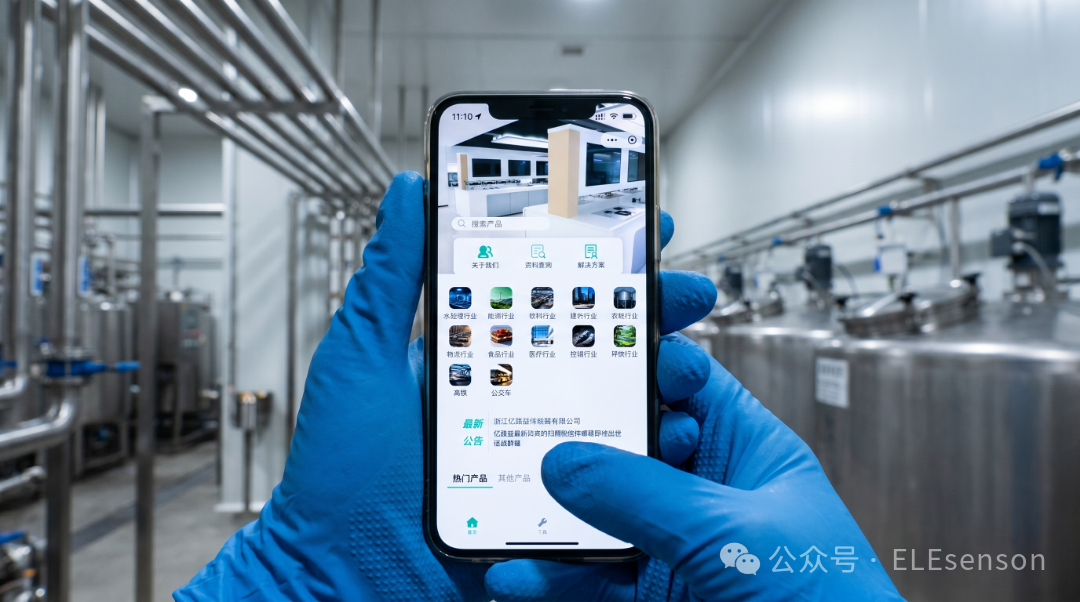
Bluetooth wireless parameter adjustment is not a simple auxiliary function, but a comprehensive qualitative upgrade of industrial level sensor operation and maintenance modes. Similar to the iteration from traditional button feature phones to smart phones, it subverts the cumbersome logic of traditional debugging.
The ESP series completely eliminates high-altitude climbing, equipment disassembly, repeated debugging and other inefficient operations. A single mobile phone can realize unified debugging and management of all on-site liquid level and material level monitoring points, greatly reducing enterprise labor maintenance costs and improving industrial intelligent operation efficiency.
Food Packaging Inspection System | All-in-One Vision Detection for Composite Film Bags
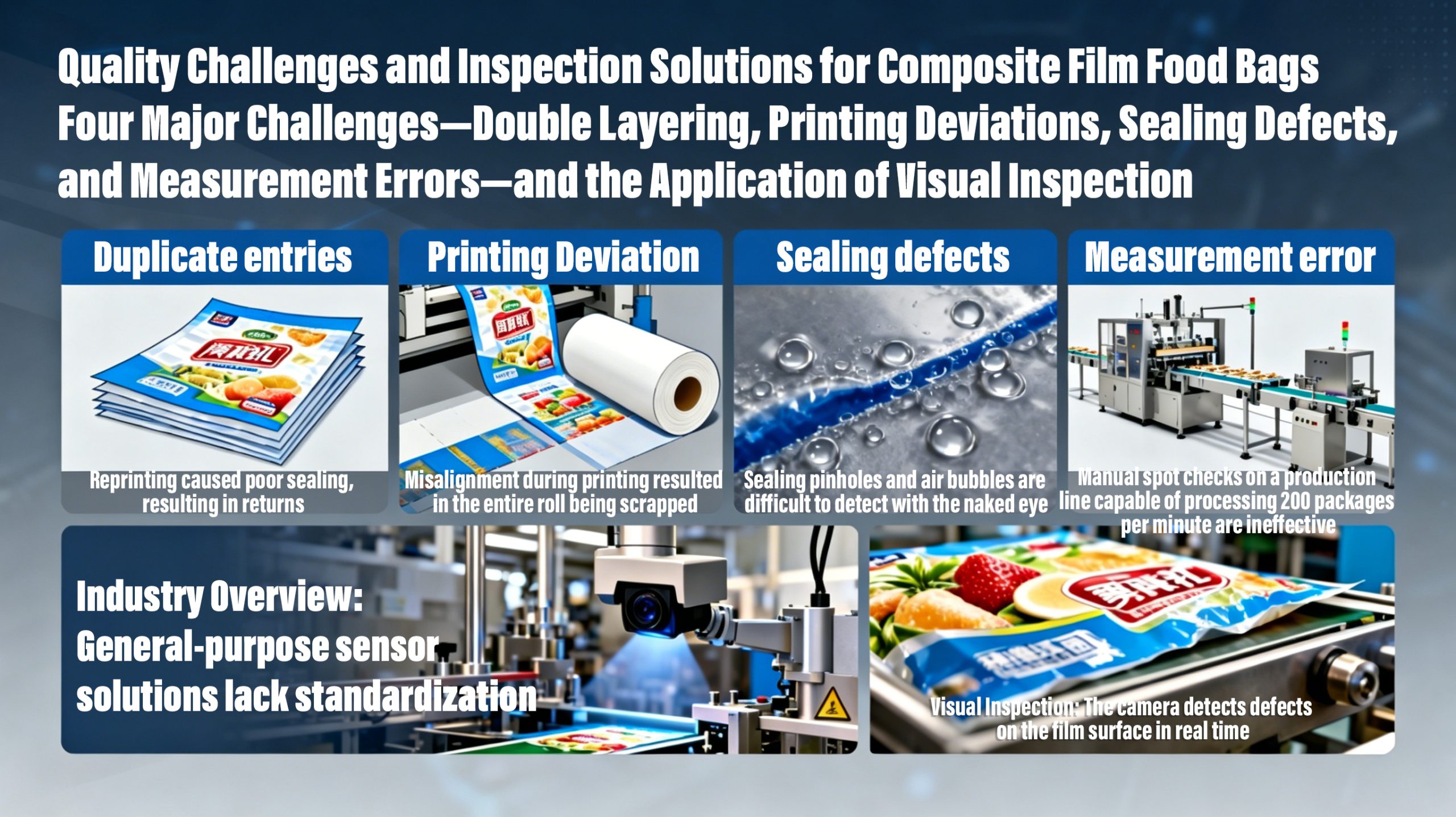
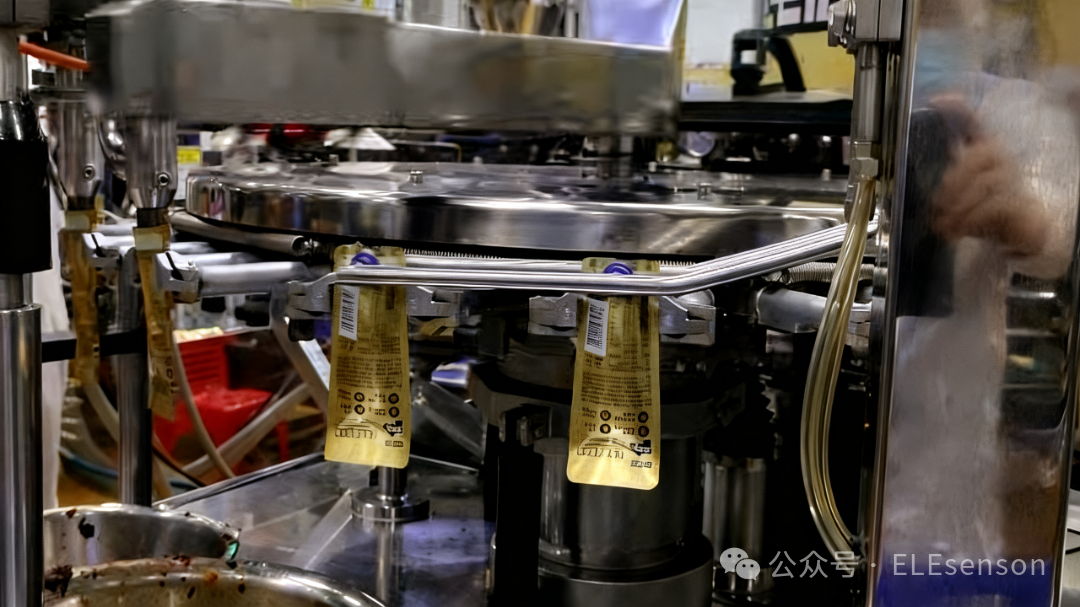
Food packaging safety is the final safety barrier of the food industry and the core cornerstone of consumer trust. In the mass production of composite film food packaging bags, various invisible quality defects frequently occur, including film layer overlapping, printing misalignment, sealing damage, and metering errors. These hidden problems easily trigger after-sales returns, batch scrapping, and food safety risks, becoming a key pain point restricting standardized quality control for packaging enterprises.
For a long time, quality control engineers and bag manufacturers have been plagued by persistent packaging quality issues. Composite bag delamination and double-layer lamination lead to poor sealing and customer returns; printing registration deviation causes entire roll material scrapping and massive raw material waste; tiny pinholes, hidden bubbles and sealing cracks are difficult to capture by naked eyes. Especially for high-speed production lines with a speed of 200 bags per minute, traditional manual sampling inspection is completely ineffective with extremely high missing detection rates. The industry has long relied on patched, general-purpose sensor solutions, lacking professional, systematic, and standardized composite film inspection equipment.
01.Industry Pain Points | General Sensors Fail to Adapt to Composite Film Inspection Scenarios
At present, composite film food bag quality inspection is still in a “makeshift alternative” stage. Conventional universal sensors have inherent technical defects in targeted detection scenarios and cannot form closed-loop quality control, resulting in unresolvable quality risks:
- Reflective Photoelectric Sensors: Prone to frequent false triggering and invalid signal output when detecting metallized composite film layers, unable to achieve stable and reliable layer identification.
- Ultrasonic Single/Double Sheet Sensors: Limited by working principle resolution, it cannot accurately distinguish layer differences such as 2-layer and 4-layer composite films, resulting in inaccurate double-layer anomaly identification.
- Metal Eddy Current Detectors: Only applicable to packaging bags containing metal layers, with extremely narrow application scenarios; unable to detect printing, sealing and other comprehensive defects synchronously.
- Manual Visual Inspection: High false-negative and missing inspection rates, unable to match the inspection rhythm of high-speed production lines, bringing long-term hidden dangers to factory quality control.
Although imported brands occupy the mainstream market of general industrial sensors, there are no targeted customized solutions for composite film food packaging scenarios. Most domestic manufacturers only produce single-function imitation equipment, resulting in a typical industry dilemma of“market demand exists but professional solutions are missing”. Most factories can only refer to peer experience for procurement, but the universal ultrasonic and photoelectric solutions searched on the market cannot adapt to composite bag detection. After repeated testing and failure, enterprises have to passively tolerate quality risks due to no alternative equipment.
02.ELE Innovative Breakthrough | All-in-One Vision System Reshapes Composite Film Quality Control Standards
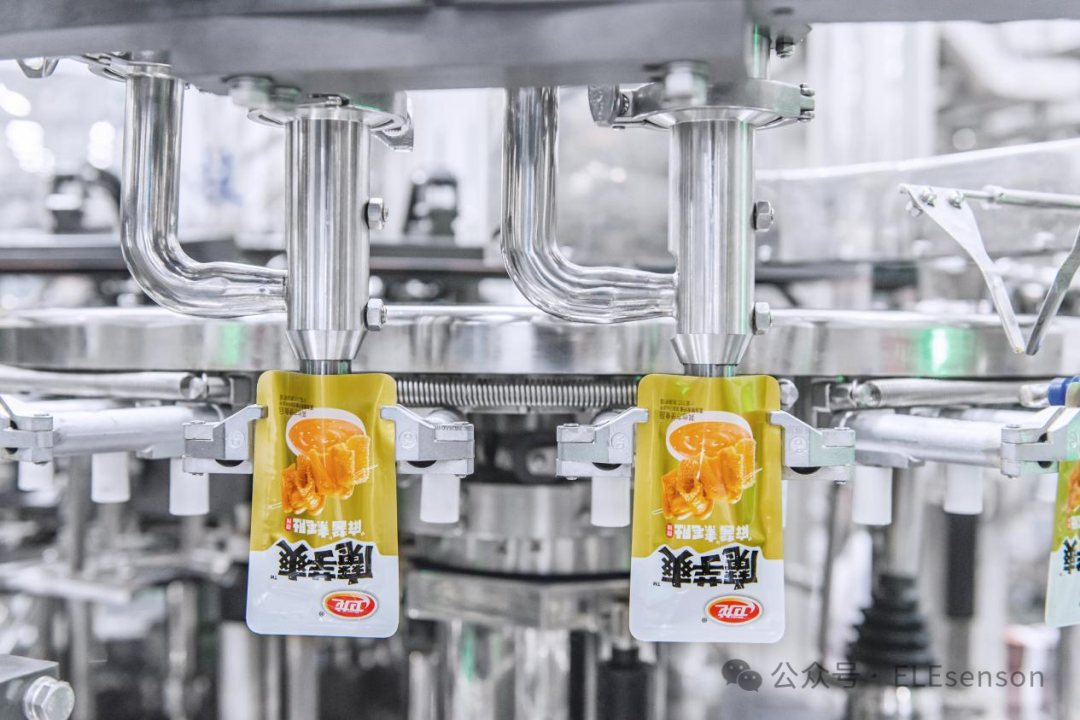
Focusing on industrial machine vision inspection technology, ELE thoroughly breaks the industry’s long-term reliance on fragmented single-function sensors. We independently launch a full-functional composite film food packaging vision inspection system, integrating four core detection modules: double-layer film lamination detection, printing registration deviation inspection, sealing defect identification, and precise length metering. Based on a unified vision hardware platform, it realizes one-machine multi-purpose and full-dimensional full-inspection quality control for food packaging.
Core Function & Customer Value Matrix
Function Modules | Core Customer Value | Market Demand Matching |
Composite Film Lamination Detection (2-Layer/4-Layer Identification) | Effectively solve poor sealing caused by abnormal lamination, reduce product return rates and after-sales disputes | Industry pain points are prominent with no mature solutions; strong rigid market demand |
Printing Registration Inspection | Avoid batch scrapping of printed packaging materials and greatly reduce raw material waste costs | Highly matched, directly related to enterprise production cost control |
Sealing Defect Detection | Accurately identify tiny pinholes, bubbles, sealing cracks and other hidden defects to ensure food packaging safety | Mandatory demand for food safety compliance, preventing safety accidents caused by defective sealing |
Precision Length & Meter Counting | Guarantee accurate packaging material metering, avoid short weight problems, and ensure batch production consistency | Meet supermarket sampling inspection and customer compliance acceptance standards |
Four-in-One Integrated Advantage | Replace multiple independent detection devices, reduce 80% of equipment procurement and docking costs, and improve debugging efficiency | Solve the core pain of multi-equipment compatibility and multi-supplier management confusion |
Scenario Adaptation Advantages
ELE integrated vision inspection system is precisely customized for the actual production scenarios of food packaging factories and bag-making equipment manufacturers, with strong scene adaptability and practicality:
- Integrated design eliminates the need for repeated installation of multiple sensors on the production line, simplifying equipment wiring and reducing installation and commissioning costs.
- Unified inspection platform and data output realize centralized statistics, traceability and management of all packaging quality defects.
- Specially optimized vision algorithms for composite film features completely solve the misjudgment and missed detection problems of traditional ultrasonic and photoelectric sensors, greatly improving detection accuracy and stability.
- Fully adapts to high-speed production lines of 200 bags per minute and above, realizing 100% full inspection instead of traditional sampling inspection, completely eliminating defect leakage risks.
03.Market Value Upgrade | From Single Sensor Sales to Systematic Quality Control Solutions
According to industry market data, the separate procurement cost of traditional single-function detection equipment is extremely high: standalone double-layer detection equipment costs 5,000–8,000 RMB, printing registration detection 8,000–15,000 RMB, sealing defect detection 6,000–12,000 RMB, and meter counting equipment 3,000–8,000 RMB. Purchasing multiple devices separately will not only generate huge procurement costs, but also bring many problems such as inconsistent system protocols, difficult compatibility docking, complicated later maintenance, and scattered after-sales resources.
ELE all-in-one food packaging vision inspection system integrates the four core detection functions in one device, with a comprehensive pricing of 20,000–35,000 RMB. It realizes one-time procurement, full-scene quality control, effectively reducing customers’ comprehensive procurement, operation and maintenance costs.
This innovative model completely changes the industry’s traditional sales logic of “selling single sensors”. Instead, ELE provides targeted and systematic full-process quality control solutions for composite film food packaging enterprises, helping factories achieve intelligent, standardized and low-cost quality upgrading.
Rock Drill Sensor Kit | Angle, Depth & Laser Positioning for Intelligent Drilling
Intelligent Tunneling
The Sensing Revolution
ELE launches a professional all-in-one rock drill sensor kit, integrating angle monitoring, precise depth measurement, boom extension detection, and laser positioning. Designed for mine tunneling, tunnel excavation, foundation pit anchoring, and underground engineering, this full-set sensing solution upgrades traditional manual-dependent rock drills into digital precision drilling equipment, ensuring every borehole is constructed strictly according to design standards.
In underground drilling projects, borehole positioning accuracy, depth control precision, and real-time construction monitoring directly determine engineering safety, material consumption, and overall project cost. Traditional drilling operations rely entirely on worker experience and simple manual measurement, which inevitably leads to three major industry pain points: severe hole position deviation that ruins blasting and anchoring accuracy; inaccurate depth control causing over-excavation or under-excavation and massive material waste; and blind drilling processes with no real-time data feedback for status tracking and quality verification.
To solve the long-standing precision and digitalization bottlenecks of rock drilling construction, ELE independently developed four core smart sensors for rock drills: angle sensor, depth sensor, extension sensor, and laser positioning sensor. The four-in-one data fusion system realizes full-process, full-dimensional intelligent perception of drilling posture, penetration depth, boom extension status, and hole positioning, enabling standardized, visualized, and traceable intelligent tunneling operations.
1.Four Core Sensors | Full-Dimensional Drilling Perception System
1.1 Rock Drill Angle Sensor
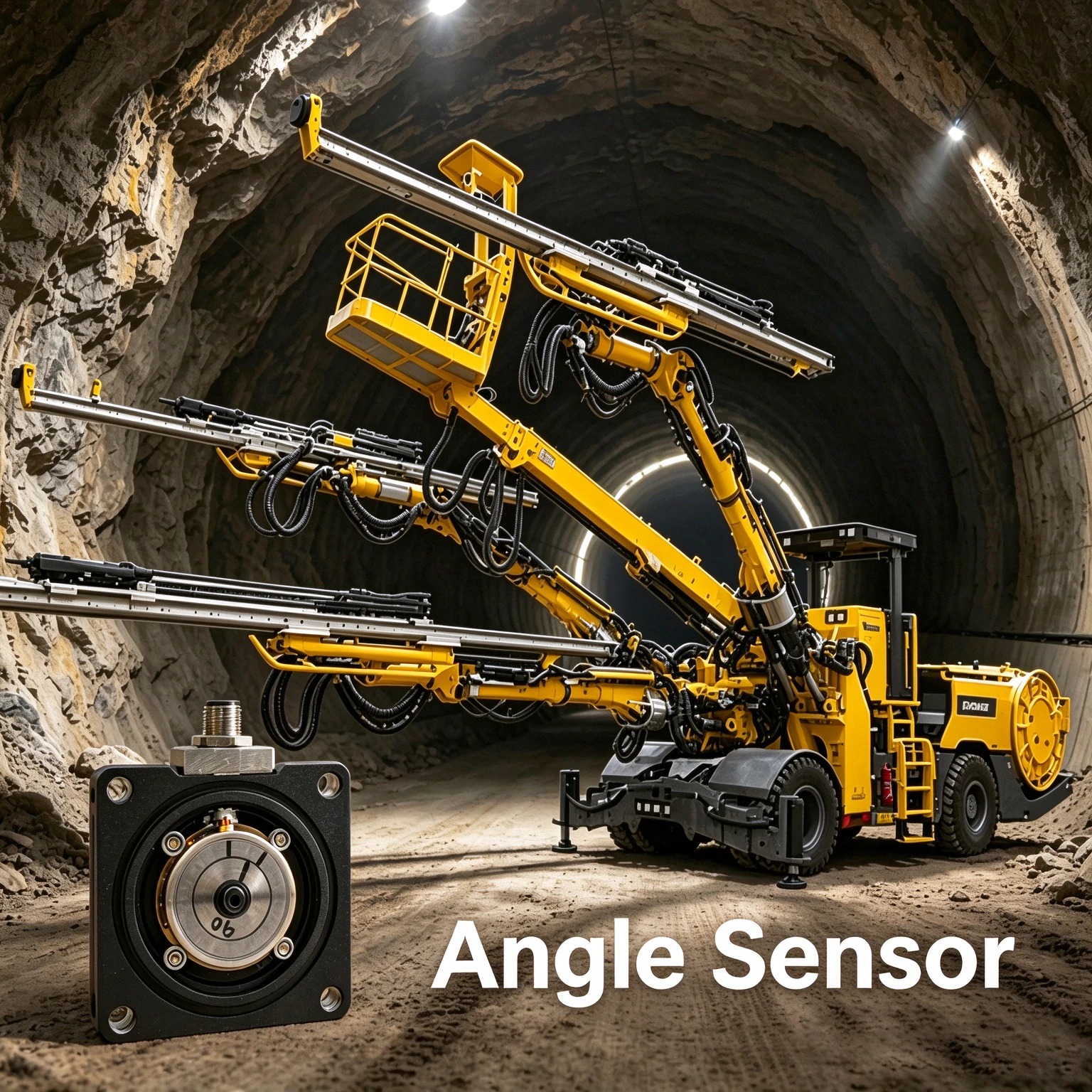
Built with high-precision MEMS three-axis accelerometer and gyroscope, paired with optimized Kalman filtering algorithm, ELE angle sensor accurately outputs real-time Euler angle data including roll, pitch, and yaw of drill booms and propulsion beams relative to the absolute horizontal plane and heading direction. It supports multiple industrial universal protocols including CANopen, RS485 Modbus RTU, and 4–20mA analog output, perfectly adapting to mainstream drilling rig control systems.
The sensor achieves 24-hour real-time dynamic monitoring of drilling horizontal angle, pitch angle, and roll angle, effectively correcting drilling posture deviation during operation. It ensures the actual drilling angle is completely consistent with the design value, thoroughly eliminating hole deflection problems caused by manual visual judgment errors.
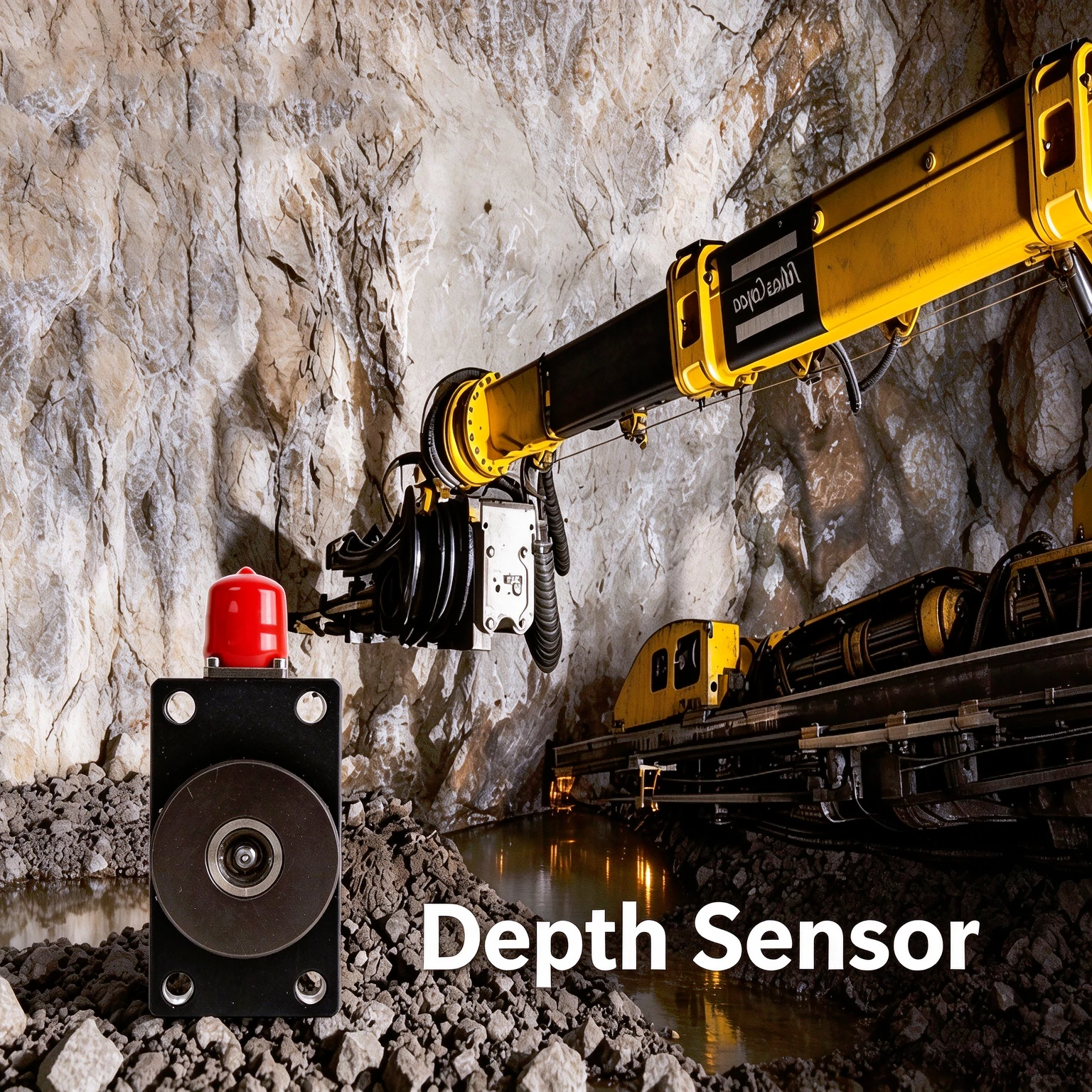
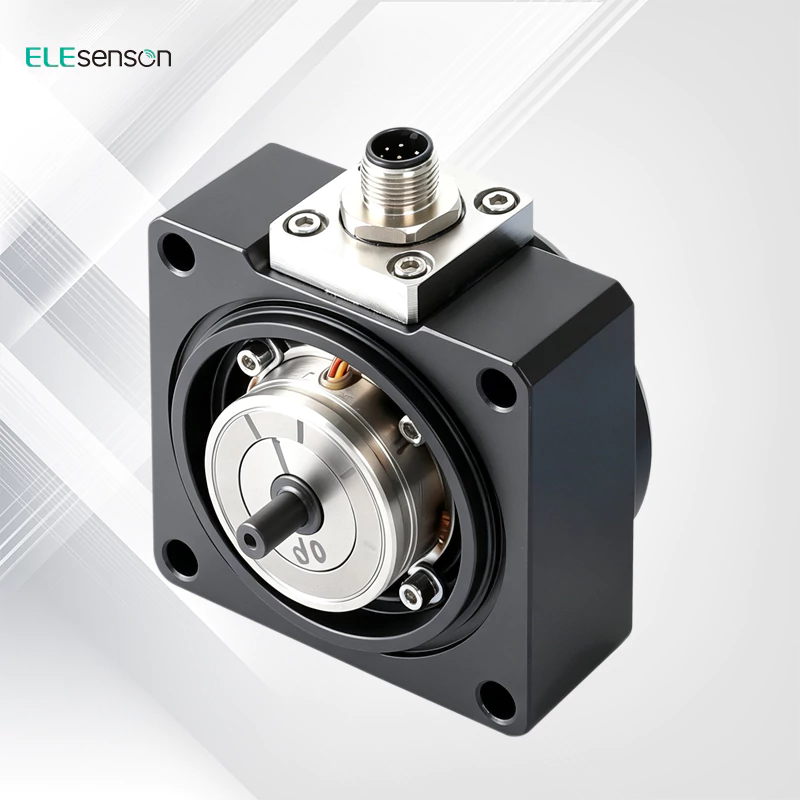
1.2 High-Precision Depth Sensor
ELE rock drill depth sensor adopts dual technical solutions of magnetostrictive non-contact displacement measurement and high-resolution incremental encoder contact measurement, matched with mechanical limit protection switches. Installed on drive cylinders and chain drive sprockets, it features built-in temperature compensation and signal conditioning modules to adapt to severe underground temperature changes.
Supporting dual redundant signal output and wire break detection for safety-level reliability certification, the sensor achieves a measurement resolution up to 0.5mm and linearity ≤ ±0.05% FS. The standard measurement range covers 0–6m, with customizable extended range up to 10m. It accurately records real-time drilling penetration depth, avoiding over-excavation and under-excavation, and standardizing drilling depth quality control.
1.3 Boom Extension & Tension Sensor
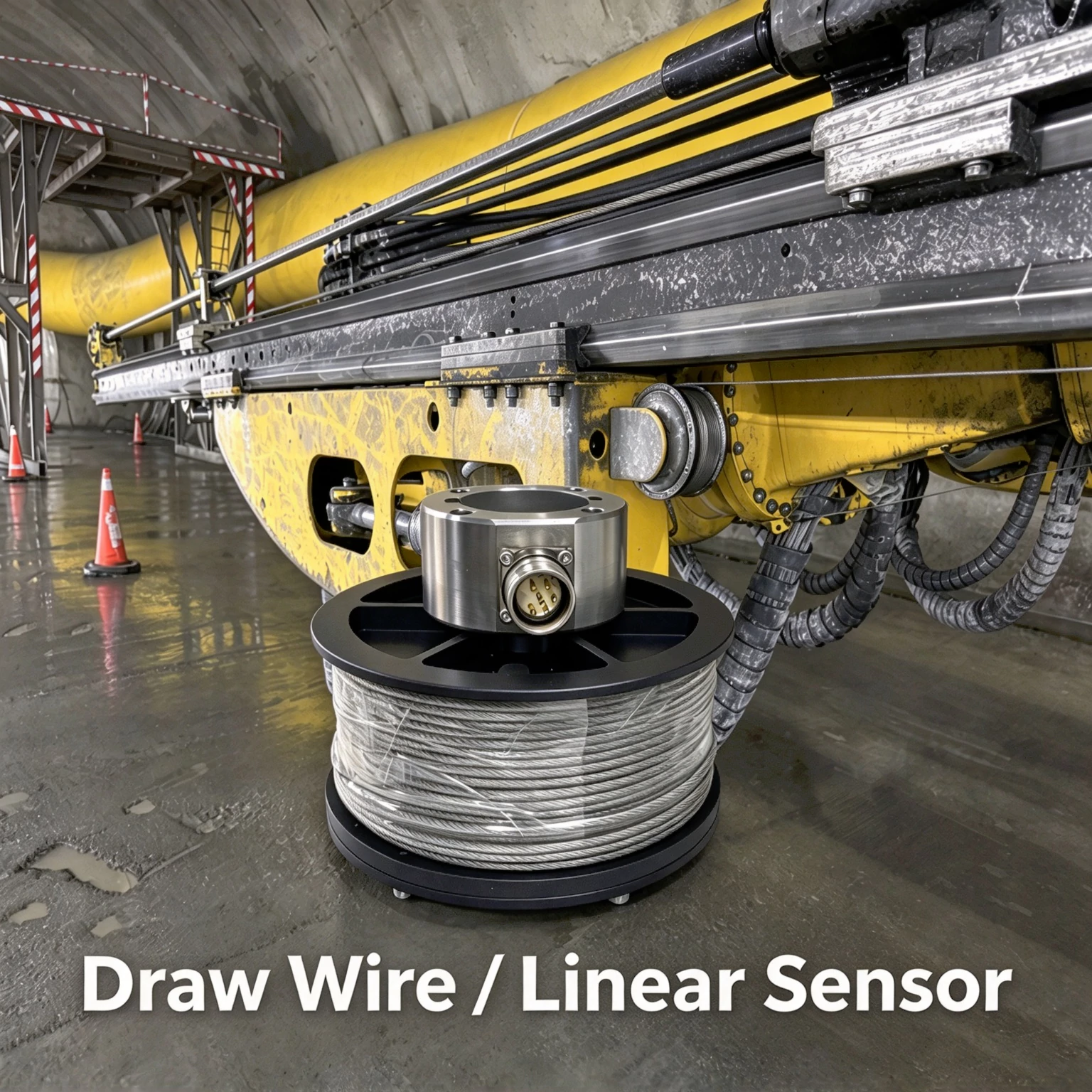
For telescopic and folding drill boom rock drills, the actual feed extension length is inconsistent with the single cylinder stroke due to mechanical gaps and structural elastic deformation. Relying solely on cylinder stroke conversion will cause cumulative errors of 1–3cm, seriously affecting long-hole drilling accuracy.
ELE extension sensor adopts draw-wire encoder and laser distance measurement module to directly detect the real extension distance of the front drill rod guide frame relative to the rear fixed pivot. It synchronizes and fuses data with the depth sensor, and automatically switches depth calculation models according to drill boom splicing and extension states. For deep hole drilling over 10m, it controls comprehensive positioning deviation within 2cm, greatly improving the precision of large-span tunnel pipe arch support and horizontal core drilling.
1.4 High-Visibility Laser Positioning Sensor
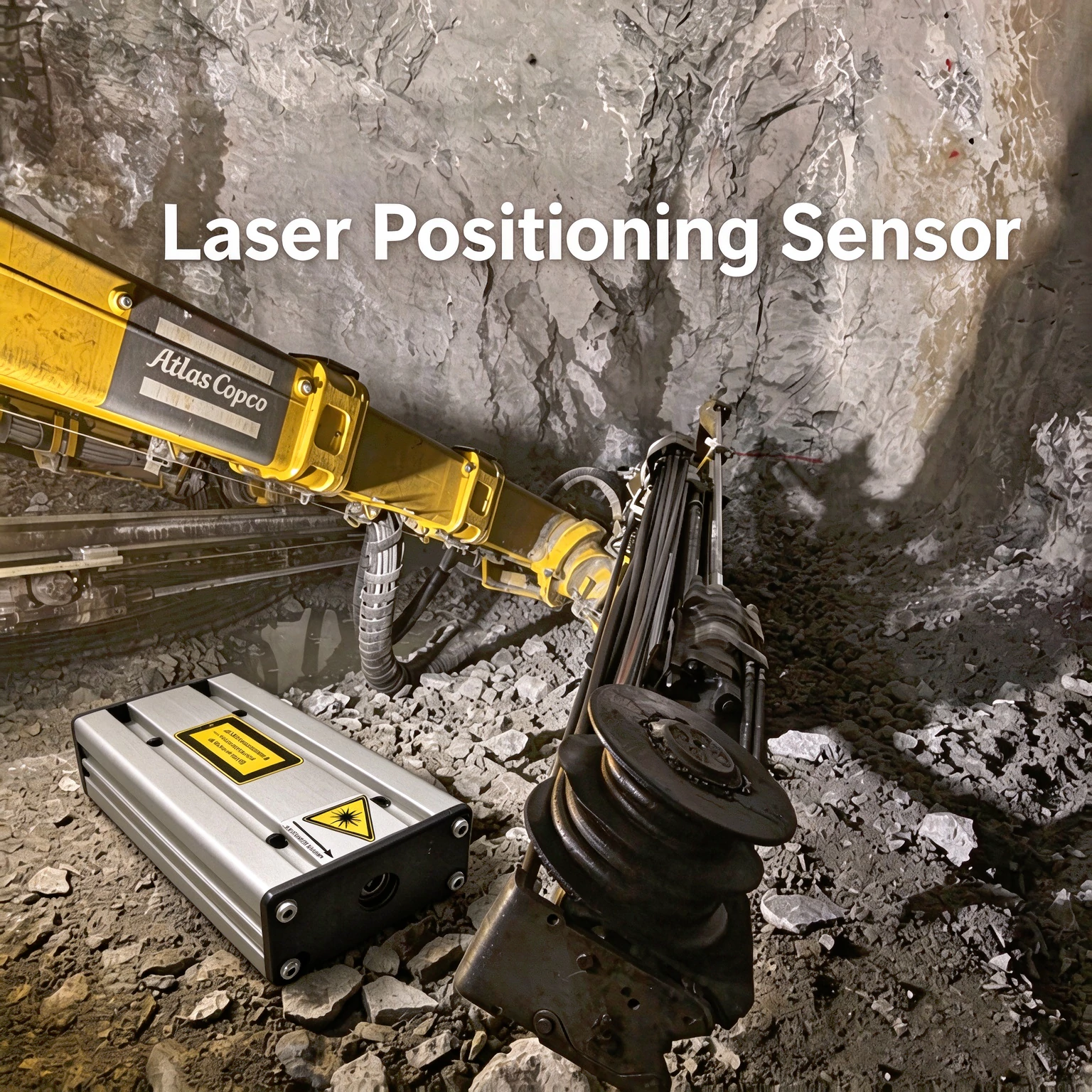
Different from ordinary single-point laser pointers, ELE laser positioning sensor integrates cross/dot laser emission module and coaxial image acquisition sensor. During construction, the laser is projected onto the tunnel working face; the system intelligently identifies laser alignment offset through image processing algorithm and outputs millimeter-level deviation data via CAN bus, guiding operators to complete precise fine-tuning of drill booms.
Tunnel environments feature weak light, heavy water mist, and high dust, which cause ordinary laser positioning to fail. ELE adopts 520nm green laser with ≤5mW safe power, maintaining clear imaging and recognizable alignment effects under 2000lux strong ambient light. The pulsed laser enhancement mode further improves anti-interference ability in dusty and humid working conditions, ensuring stable and accurate positioning in complex tunnel environments.
 2.Core Value | Data Fusion Creates Intelligent Drilling Upgrade
A single sensor can only realize partial data monitoring, while the core advantage of ELE four-piece rock drill sensor kit lies in multi-sensor data fusion and integrated collaborative control. It breaks the isolated data problem of single-point monitoring, builds a closed-loop intelligent perception system of “angle posture + penetration depth + boom extension + laser positioning”, and completely changes the traditional empirical and blind drilling mode.
By upgrading ordinary hydraulic rock drills with this full-sensing kit, traditional construction machinery is transformed from pure “power tools” into high-precision “intelligent drilling robots”. It realizes full-process digital monitoring, visual construction, and quantifiable quality inspection for tunneling and anchoring projects, effectively reducing construction errors, lowering rework rates, and improving overall engineering efficiency and safety standards.
3.Typical Application Scenarios
- Mine Tunnel Drilling: Precise positioning of blasting holes and anchor holes to ensure uniform hole arrangement and consistent blasting effect.
- Traffic Tunnel Excavation: Full-process deviation correction for deep hole drilling to improve tunnel forming accuracy.
- Foundation Pit & Slope Anchoring: Standardized depth and angle control for anchoring holes to enhance overall structural stability.
- Underground Core Drilling: High-precision positioning for long-distance horizontal drilling to meet geological exploration precision requirements.
Angle Sensor
Click to view
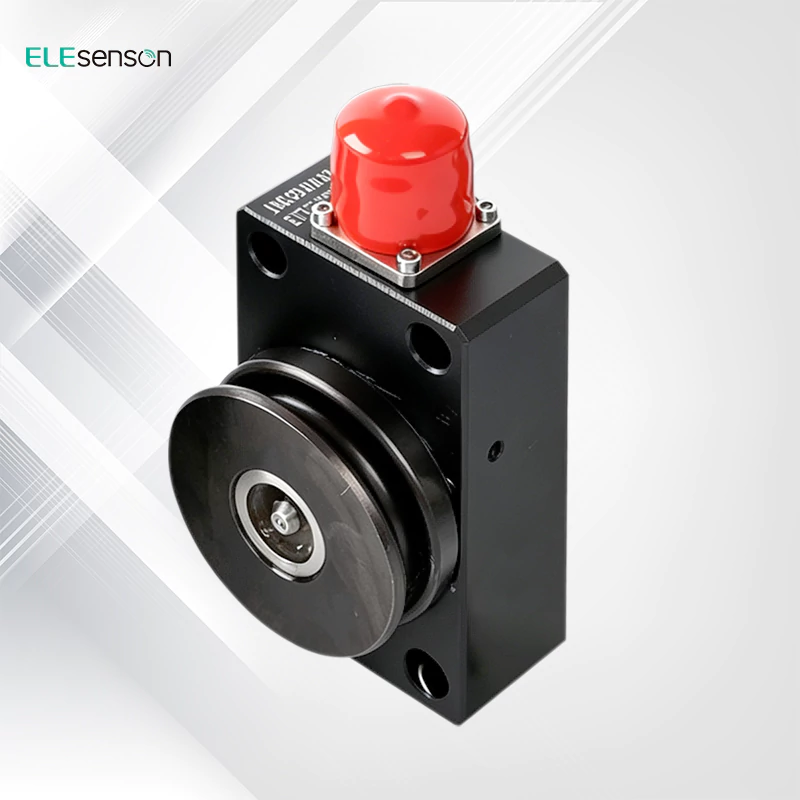
Depth Sensor
Click to view
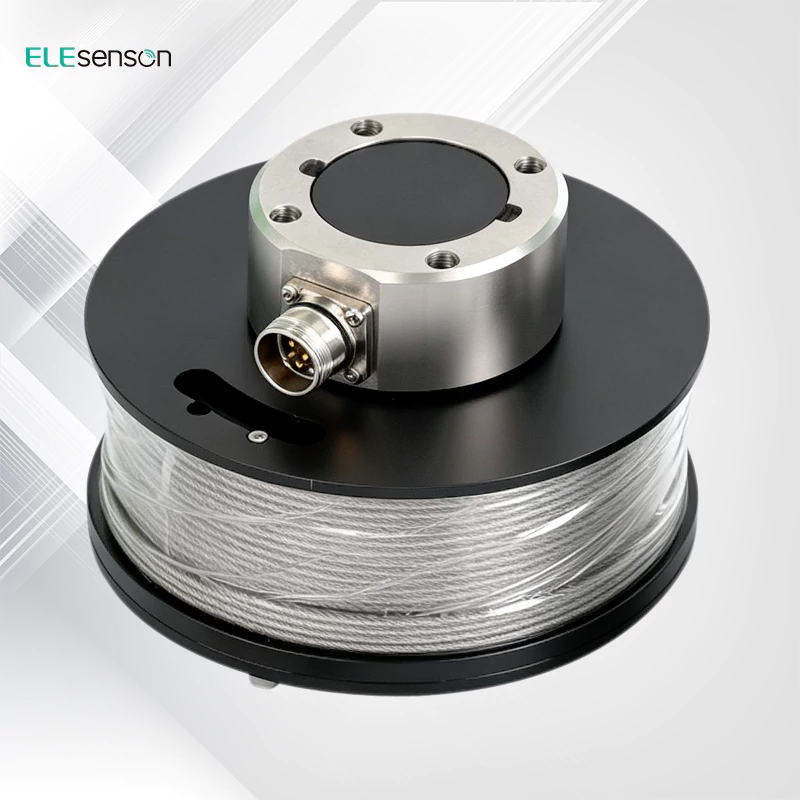
Linear Sensor
Click to view
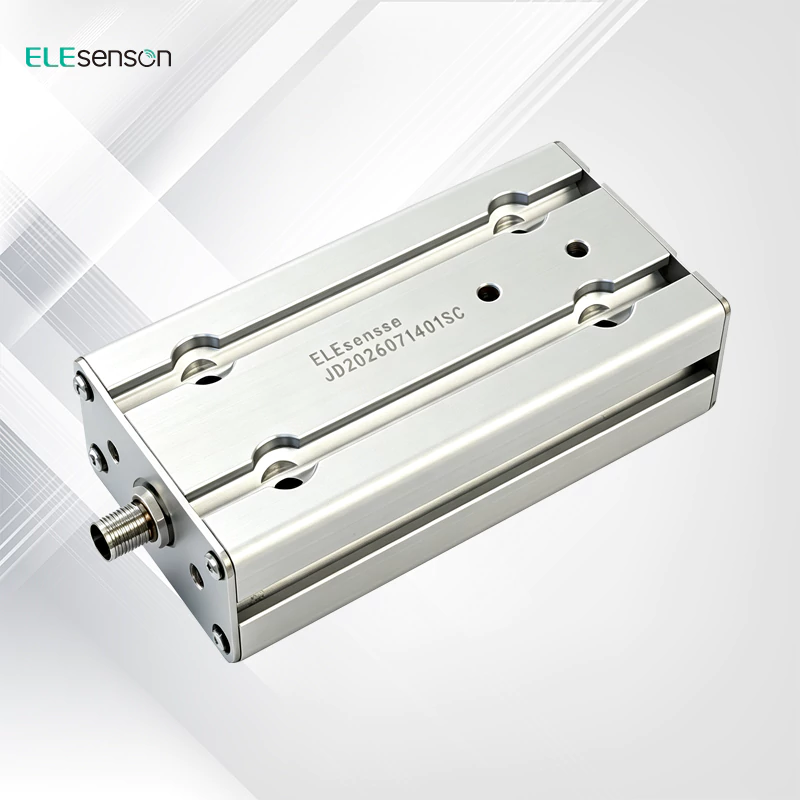
Laser Positioning Sensor
Click to view
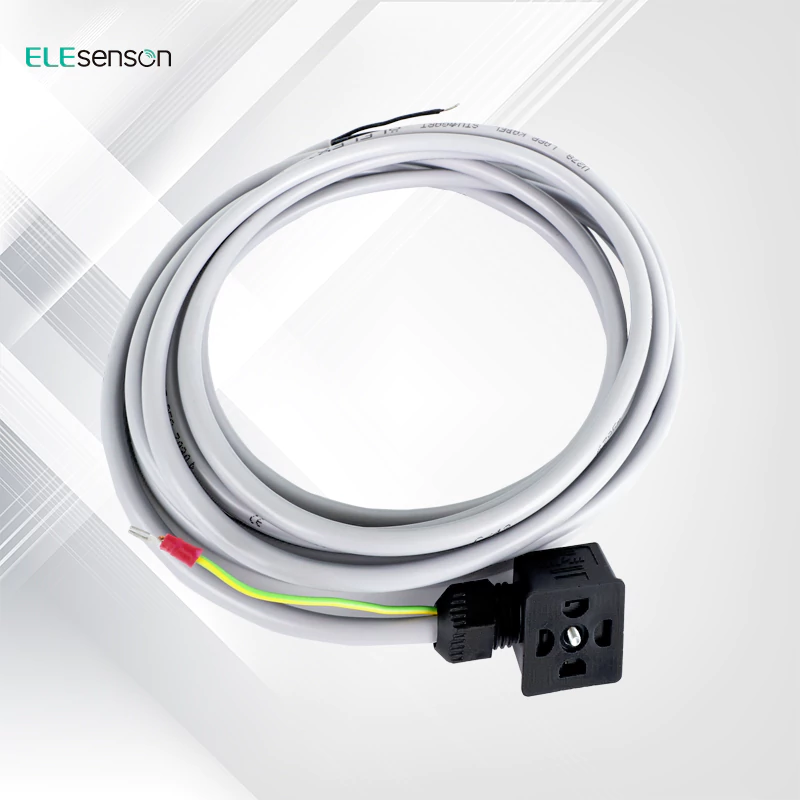
Rock Drill Cables
Click to view
Vision Length Measurement System | Non-Contact Online Metering & AI Defect Inspection
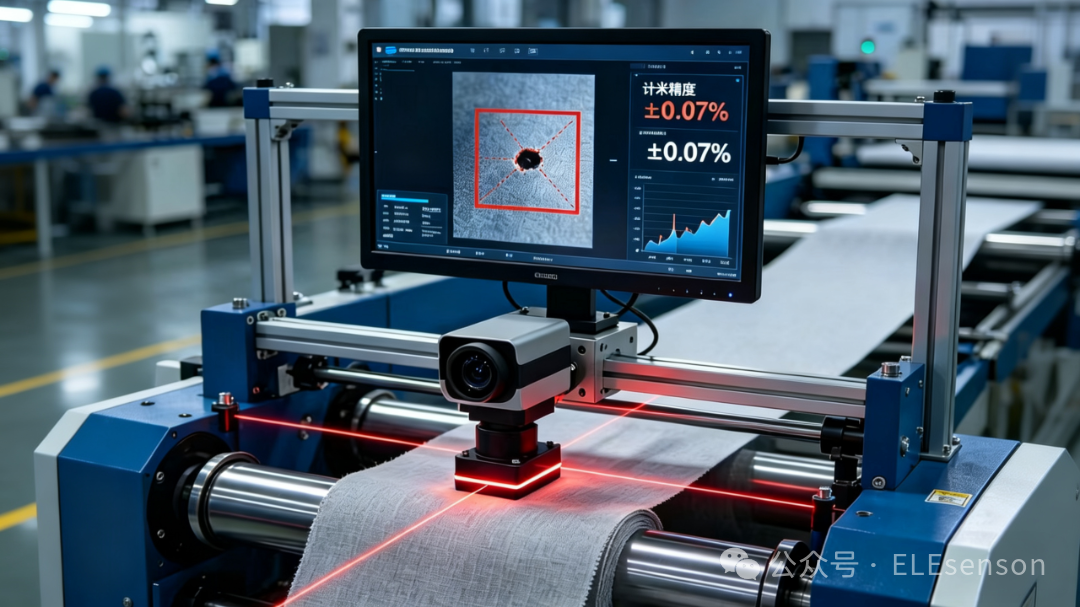
CCD Machine Vision + Precision Metering + AI Defect Detection. ELE all-in-one vision length measurement system solves three core production pain points for roll material manufacturing lines: inaccurate length counting, manual missing defects, and insufficient quality traceability. Widely applicable to textiles, chemical fibers, cables, plastic films, metal strips, and paper industries, this intelligent visual inspection equipment replaces traditional contact encoders and manual visual inspection, helping enterprises achieve precision production, standardized quality control, and full-process data traceability.
Traditional contact wheel counting and manual inspection can no longer meet modern factories’ requirements for high precision, high speed, zero-defect production, and intelligent management. As a professional industrial vision inspection manufacturer, ELE independently develops vision-based length measurement systems to realize non-contact metering, full online defect detection, and cloud data traceability, effectively reducing production costs, improving overall efficiency, and eliminating quality dispute risks.
01.Eliminate Traditional Defects, Redefine Industrial High-Precision Metering
Hidden Drawbacks of Traditional Contact Counting Equipment
Most conventional length counters rely on encoder and contact wheel friction measurement. After long-term continuous operation, mechanical slippage, roller wear, and structural loosening inevitably occur, resulting in accumulating measurement errors over time. This long-standing problem leads to inconsistent finished material length, raw material waste, inaccurate delivery metering, and even customer reconciliation disputes, return claims, and corporate reputation losses.
Core Advantages of ELE Non-Contact Vision Metering System
Breaking the limitations of mechanical contact measurement, the ELE intelligent vision length measurement system adopts CCD linear scan industrial camera + high-precision image analysis algorithm. It captures real-time surface texture features and tracking points of rolling materials without any surface contact, realizing dynamic high-precision length calculation.
With zero friction and zero wear throughout the whole process, there is no slippage error or mechanical aging drift. The measurement accuracy is stably controlled within ±0.1% permanently, completely solving the accuracy attenuation problem of traditional devices. Every roll of material achieves true, reliable, and traceable length data.
02.All-in-One Design | One Device Covers Three Core Production Functions
Abandoning the traditional single-function single-device redundant configuration, the ELE vision system integrates precision length metering, AI full-scale defect detection, and cloud quality traceability in one unit, comprehensively upgrading and replacing backward production and inspection modes.
Comparison Item | Traditional Production Mode | ELE Visual Intelligent Solution |
Length in meters | Encoder contact counting, prone to slippage and wear; errors gradually accumulate with usage time. | Pure optical non-contact measurement; lifelong zero wear; accuracy always stable at ±0.1%. |
Defect Detection | Manual visual inspection with low efficiency and severe visual fatigue; extremely high missing and misjudgment rates. | 100% full online CCD scanning + AI intelligent classification identification; accurate capture of tiny defects. |
Quality Traceability | No effective data retention; difficult quality problem verification; frequent after-sales disputes. | Independent inspection report for each roll; cloud data storage; full-process quality traceability. |
03.Core Industry Applications | First Choice for Textile Intelligent Upgrade
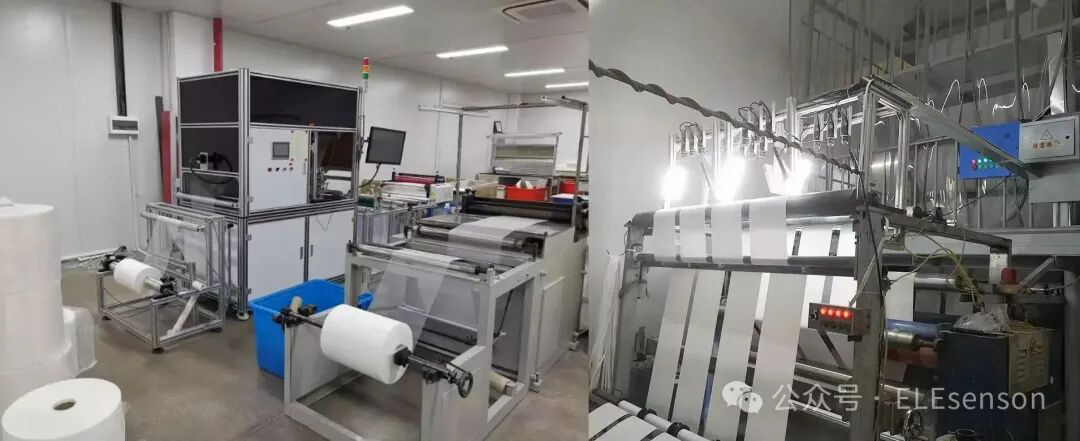
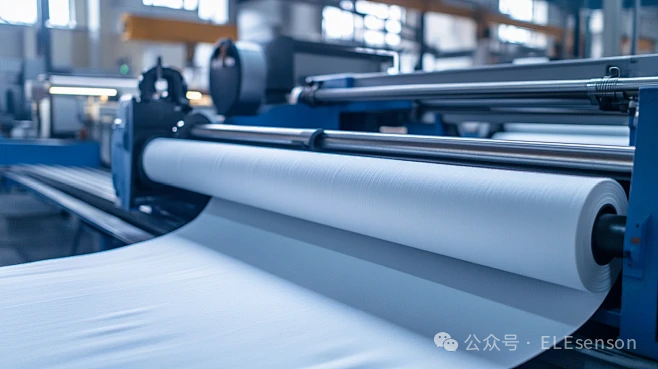
Rolled textile materials represent the largest automated inspection demand scenario with the highest transformation return on investment. At present, China has more than 4,000 textile and nonwoven production lines, with an annual output of 8 million tons. However, the automated inspection penetration rate is only 15%–20%, and over 90% of production lines still rely on manual sampling inspection, resulting in high labor costs, unstable quality, and high defect rates.
3.1 Nonwoven Fabric Production Line
Installed at the winding station front end, the system realizes one-stop intelligent control for the entire production process:
- High-precision Metering: Millimeter-level visual counting eliminates slippage errors and material loss, supporting accurate output statistics and material consumption analysis.
- Full Defect Inspection: Automatically identifies holes, oil stains, crystal spots, lumps, wrinkles, uneven thickness and other common defects, with AI automatic classification and data statistics.
- Intelligent Alarm & Marking: Triggers sound-light alarm and automatic inkjet marking immediately after defect identification, facilitating precise cutting and rework in subsequent processes.
- Full Data Traceability: Generates exclusive quality inspection reports for each roll of material to realize visualized production management.
Core Value: Realizes 100% full coverage inspection instead of traditional 5% manual sampling rate, reduces missing inspection rate to nearly zero, and cuts customer quality complaints and return disputes by 80%.
3.2 Textile Printing, Dyeing & Finished Fabric
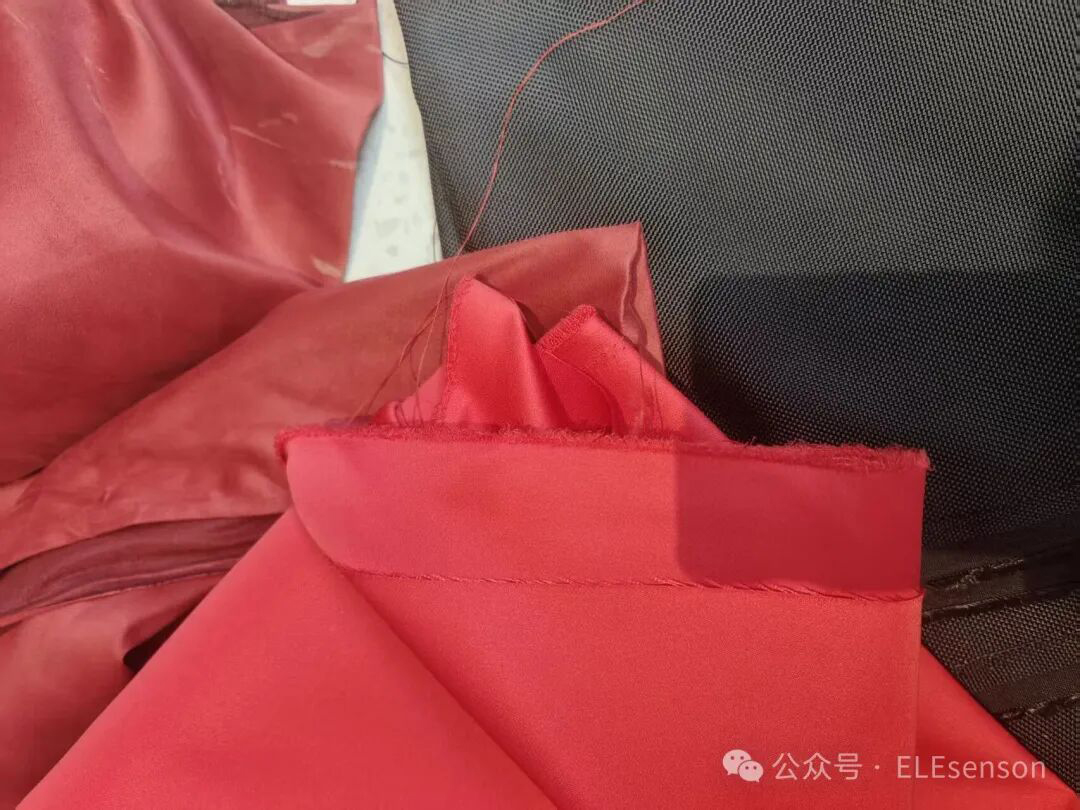
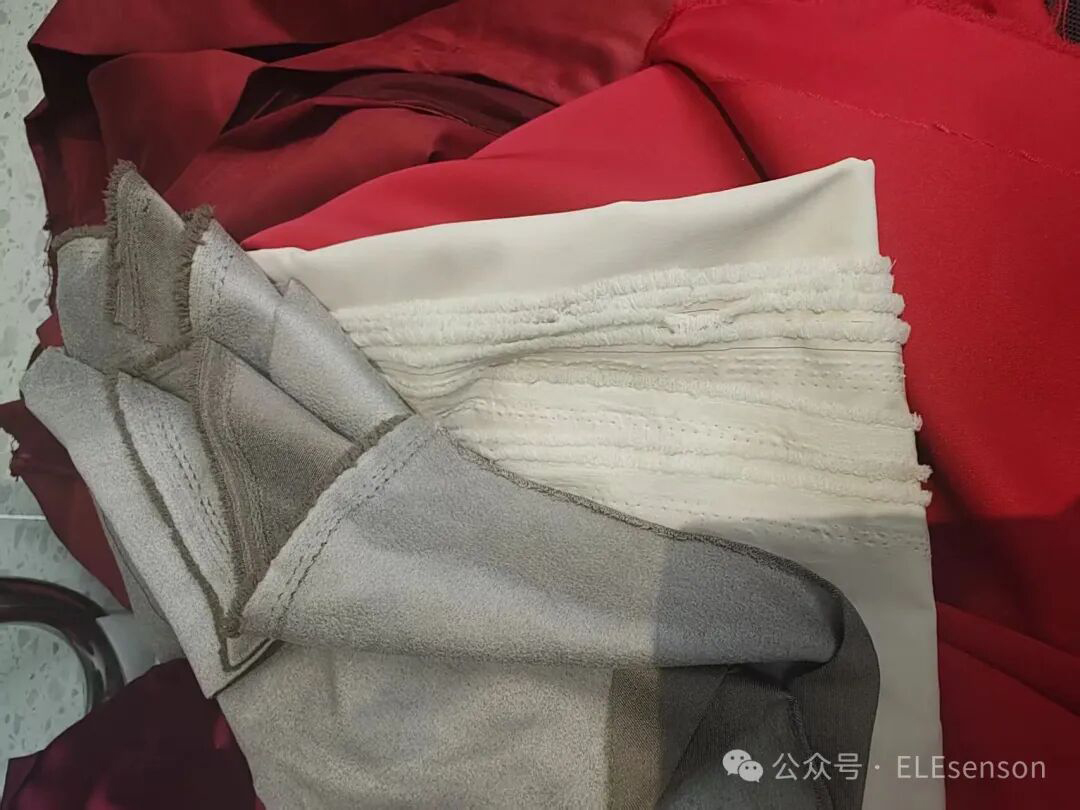
Covers the whole process from grey fabric weaving, printing and dyeing to finished product inspection. It accurately measures grey fabric length to optimize material utilization rate, tracks printing patterns in real time to ensure printing repeat precision, and intelligently detects finished fabric defects such as color difference, missing yarn, broken warp, and stains.
3.3 Synthetic Fiber & Yarn Industry
Realizes real-time monitoring of spinning density and uniformity dynamic feedback during high-speed production. It accurately identifies broken filaments for early warning, and precisely counts winding length to standardize finished yarn quality.

04.Universal Industry Adaptation | Full-Coverage Roll Material Inspection
Beyond textile scenarios, the ELE vision measurement and inspection system is widely applicable to almost all flexible and rigid roll material production lines:
- Cable & Optical Fiber Industry: Precise length metering + detection of surface scratches, bulges, and insulation damage defects.
- Plastic Film Industry: Suitable for BOPP, PE and other films, detecting crystal points, fish eyes, holes and other defects while counting length.
- Metal Strip Industry: High-precision metering for steel strips, copper strips and other metal coils, identifying surface scratches and indentation defects.
- Paper Industry: Base paper length measurement + detection of holes, impurities, and tearing defects.
- Rubber & Tire Industry: Precise cord fabric length counting + joint defect detection.
05.ELE Brand Advantages | High Cost-Performance & Fast Customized Service
Compared with international brands and domestic peers, ELE visual inspection equipment features lower overall cost, faster after-sales response, iterative AI algorithms, and stronger customized adaptability, providing high-value industrial vision solutions for Chinese factories.
Comparison Item | International Brands | Domestic Major Manufacturers | ELEsenson |
Equipment Unit Price | $30,000–$100,000 | $12,000–$25,000 | $2,800–$6,800 (high cost performance) |
After-Sales Response | Long cycle, mostly paid service | 3–5 working days processing | Same-day on-site service in Zhejiang, nationwide rapid response |
Remote O&M | No remote maintenance support | Partial model support | Full series standard Bluetooth + IoT remote diagnosis & maintenance |
AI Algorithm Capability | Mature but solidified, no iteration | Basic fixed algorithm package | Continuous online iteration, higher accuracy with longer usage |
Customization Ability | Difficult to customize, low flexibility | Standard customization, average adaptability | Full-scene personalized on-demand customization |